 Orcas Island
 Windows Built for Shaw Island's Marine Climate
Shaw Island sits in the same weather system as the rest of San Juan County: salt-laden air off the water, long stretches of driving rain in the fall and winter, and a moss season that never really ends because the humidity rarely drops long enough to dry things out. Windows on this island don't fail the way they do inland. They fail at the edges first — at the flashing, the sealant joints, the sill pans — because that's where salt air and standing moisture do their slow work on wood, fasteners, and weatherstripping. A window installation crew that hasn't spent real time on the islands tends to treat this as a standard install. It isn't. Every seam matters more here.
Because Shaw Island is small, low-density, and reached by ferry, most homes are either older wood-frame construction with original single-pane or early double-pane windows, or newer builds that were finished quickly by crews working around a tight barge and ferry schedule. Both situations create the same problem: window installations done without the extra flashing detail and sealant attention this environment demands, which shows up years later as soft framing, fogged glass, or drafts that no amount of caulk will fix.
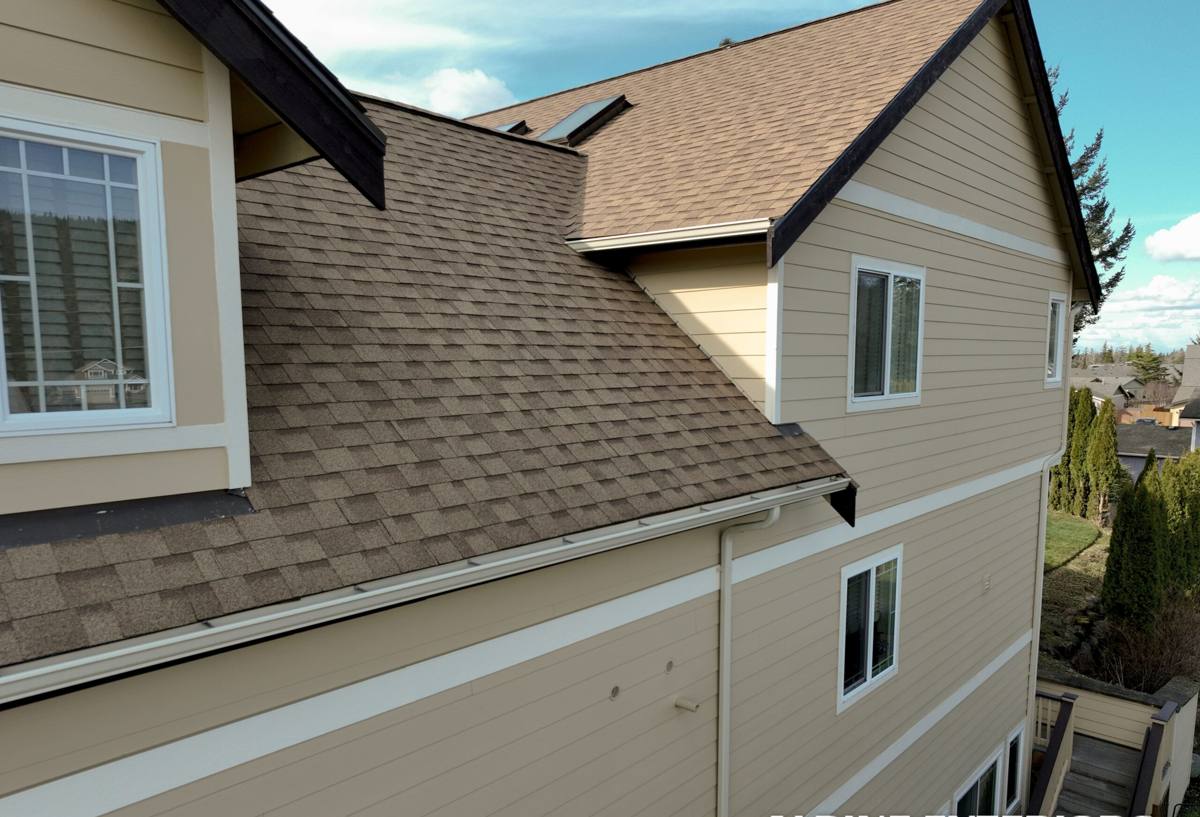
What a Correct Window Installation Actually Involves
Setting a window into a rough opening is the easy part. The work that determines whether it lasts fifteen years or three decades happens before and after the window itself goes in.
Before the Window Goes In
- Inspect the rough opening for rot, soft sheathing, or prior water intrusion — common on older Shaw Island homes near the water
- Install a sloped sill pan so any water that gets past the window sheds outward instead of pooling on the sill
- Apply self-adhered flashing membrane in the correct shingle-lap order (sill, then sides, then head) so water always moves down and out
- Confirm the opening is square, level, and sized correctly — an out-of-square opening stresses the window frame and breaks seals early
Setting and Sealing the Window
- Shim and fasten per the manufacturer's schedule, not by feel
- Insulate the gap between frame and rough opening without overpacking, which can bow the frame
- Seal the interior air barrier separately from the exterior water barrier — these are two different jobs, not one bead of caulk
- Install exterior trim and sealant rated for marine/UV exposure, not a generic painter's caulk that chalks and cracks within a couple of seasons
Skip any one of these steps and the window will likely still look fine on installation day. The failures show up two to five years later, which is exactly why cutting corners on window work is so common among crews that don't plan to be the ones fixing it.
Signs a Shaw Island Home Needs New or Reinstalled Windows
Because moisture problems here move slowly, homeowners often live with early warning signs for a year or two before calling anyone. Worth checking for:
- Fogging or a milky haze between panes on double-pane windows — the seal has failed and the gas fill is gone
- Soft or spongy trim and sills, especially on the weather-facing (typically south and west) sides of the house
- Visible moss or algae staining on the window trim, a reliable sign that the surface stays wet longer than it should
- Drafts you can feel with a hand near the frame on a windy day, even with the window latched
- Paint that's bubbling or peeling specifically around the window perimeter rather than across the whole wall
- Difficulty opening or closing, which often means the frame has swollen from moisture intrusion
Any one of these on its own isn't an emergency. Several together, especially combined with visible rot at the sill, usually means water has been getting behind the window for a while and the surrounding framing needs to be checked, not just the glass replaced.
Our Window Installation Process
The process doesn't change much whether we're doing one window or a whole house, but the sequence matters:
- On-site assessment. We look at every opening individually — sun exposure, rain exposure, current condition of the framing — rather than quoting a flat per-window price sight unseen.
- Measure and order. Because everything for Shaw Island comes over on the ferry or by barge, we build lead time into the schedule up front instead of promising a date we can't hit.
- Protect the work area. Interior and exterior surfaces get covered before any opening is touched.
- Remove and inspect. Old windows come out carefully so we can actually see the condition of the framing underneath, not just assume it's fine.
- Repair before we rebuild. Any soft or rotted framing gets replaced before a new window ever goes in. Installing a new window into bad framing just hides the problem for a few more years.
- Flash, set, seal, trim. Full flashing sequence, correct shimming and fastening, air-seal and water-seal done separately, then exterior trim and finish.
- Walkthrough. Every window gets opened, closed, and checked for square and smooth operation before we consider the job done.
Choosing Window Materials for Salt Air and Driving Rain
Material choice matters more on the islands than almost anywhere else in the county, because everything is exposed to salt air whether the house is waterfront or set back in the trees. Here's how the common options hold up:
| Material | Salt Air / Moisture Behavior | Maintenance | Typical Trade-Off |
|---|---|---|---|
| Vinyl | Won't rot or corrode; performs well in coastal air | Low — occasional cleaning | Frame color/finish options are more limited than wood or fiberglass |
| Fiberglass | Excellent — very stable, resists warping and doesn't corrode | Low | Higher upfront cost than vinyl |
| Wood, unclad | Attractive but vulnerable — needs a sound paint/finish system to survive this climate | High — repainting and sealant checks every few years | We only recommend this where the owner is committed to the upkeep it requires |
| Wood-clad (aluminum or vinyl exterior) | Good — exterior cladding shields the wood from direct weather | Moderate | Cladding seams need to be sealed correctly or moisture gets trapped against the wood |
| Aluminum frame | Prone to condensation and corrosion near salt water unless thermally broken | Moderate | We steer most Shaw Island clients away from non-thermally-broken aluminum for this reason |
We don't push one brand or material on every home. What we do insist on is matching the material to how exposed the specific opening is — a window facing open water and prevailing weather deserves a different spec than one tucked under an eave on the leeward side of the house.
Cost Factors for Window Installation on Shaw Island
There's no honest flat rate for window work here, but the variables that move the price are consistent. Rather than quote a number that won't reflect your actual house, here's what actually drives cost:
| Factor | Why It Matters |
|---|---|
| Number and size of openings | Larger and custom-sized windows cost more in both materials and labor |
| Condition of existing framing | Rot repair behind an old window adds labor before the new one can even be set |
| Material choice | Vinyl, fiberglass, and clad-wood carry different price points, as shown above |
| Access and logistics | Ferry scheduling and material delivery timing affect labor efficiency on island jobs |
| Exposure of the opening | Weather-facing walls sometimes warrant upgraded flashing or sealant systems |
| Full-frame vs. insert replacement | Insert replacement (reusing the existing frame) is less invasive and less costly, but only appropriate where the existing frame is sound |
We'll walk your specific windows with you and explain, opening by opening, which of these factors actually apply — that's what an on-site estimate is for.
Why a Crew That Already Works Shaw Island Matters
Shaw Island isn't like a mainland neighborhood where a contractor can run back to the shop for a forgotten part. Every trip on and off the island runs on the ferry schedule, and materials often need to be ordered with enough lead time to make the crossing without stalling the job halfway through. A crew that already works this island — and the rest of San Juan County — plans around that instead of getting surprised by it mid-project.
There's also a knowledge piece that only comes from repetition. Knowing which walls on a typical island lot take the worst of the weather, knowing how fast moss reestablishes itself on trim in this climate, knowing which sealant systems actually hold up through a full wet season rather than just looking good on installation day — that comes from having done this work here before, not from a general contracting background transplanted from somewhere drier.
Protecting Your Windows After Installation
A correct installation buys you time, but the climate doesn't stop working on your windows just because they're new. A short annual routine goes a long way:
- Rinse salt residue off exterior frames and glass, especially on windows facing open water
- Check exterior caulk lines each fall before the rains set in, and re-seal any cracked or separated sections
- Clear moss and organic buildup off sills and trim before it holds moisture against the frame
- Test that weep holes on the exterior sill track are clear and draining, not clogged with debris
- Operate every window at least once each season so hardware doesn't seize and weatherstripping stays seated correctly
- Watch for condensation between panes, the earliest sign of a failing seal
Mistakes We See From Rushed or Off-Island Installs
The most common problems we get called out to fix aren't from bad windows — they're from installation shortcuts. Missing or improperly lapped flashing is the biggest one; it looks fine until water finds the one path it needs. Overpacked insulation gaps that bow the frame and cause air leaks are another. So is generic caulk used in place of a proper sealant system rated for sun and salt exposure — it looks identical to the right product for about a year. And on older homes, we sometimes find new windows installed directly into rotted framing that was never addressed, which means the new window was doomed before it was ever set. None of these mistakes are visible at a glance, which is exactly why they're common — and exactly why the installation process matters more than the window brand.
If you're weighing a window project on Shaw Island — whether it's a couple of failing units or a full-house replacement — we're happy to walk the property, look at what's actually going on with your existing windows and framing, and give you a straight assessment. Reach out for a free, no-pressure estimate using the form below.