 Orcas Island
 Siding, Roofing, Windows, and Decks in Eastsound
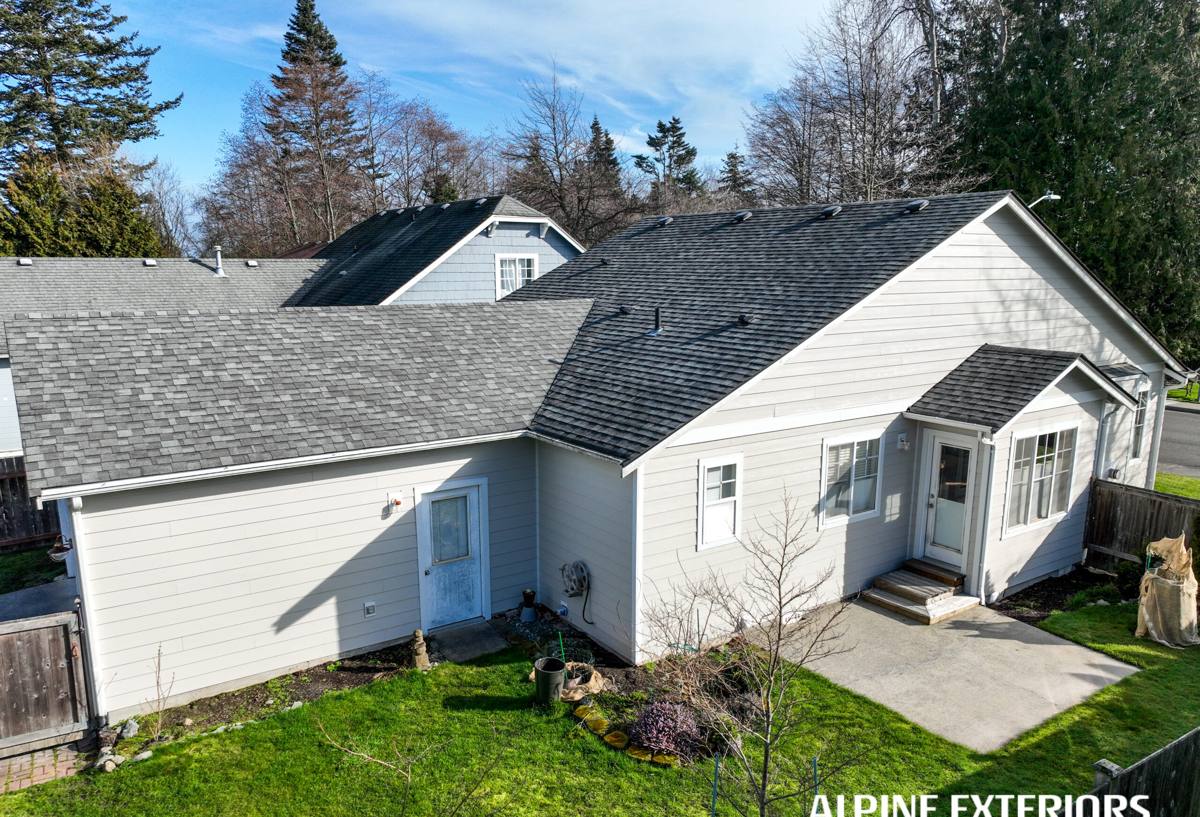
Eastsound sits at the heart of Orcas Island, and homes here take on a specific set of exterior challenges that don't show up the same way inland. Between the marine air coming off the surrounding waters, long stretches of wet weather, and a growing season for moss and algae that can run most of the year, the exterior of a house on Orcas Island earns its keep. We work on siding, roofing, windows, and decks across the island, and Eastsound is one of the areas we're in regularly. This page focuses on siding, since it's the single biggest factor in how well a home's exterior holds up here, but the same climate logic applies to everything on the outside of the house.
What the Orcas Island Climate Does to a House
San Juan County sits in a rain shadow relative to the Olympic Mountains, so Orcas Island doesn't get the extreme annual rainfall of some parts of Western Washington. But "less total rain" doesn't mean "easy on your siding." What matters more for exterior durability is the combination of factors homes here actually face:
- Salt-laden air. Being surrounded by saltwater means airborne salt is a constant, low-level presence on exterior surfaces, even for homes that aren't right on the waterfront. Salt accelerates corrosion of fasteners and trim metal and speeds up the breakdown of finishes that aren't built to handle it.
- Driving rain and wind-driven moisture. Island weather brings rain sideways as often as it brings it straight down. Siding on exposed elevations — especially west and southwest-facing walls — takes direct wind-driven moisture that a still, humid climate wouldn't produce.
- A long moss and algae season. Shaded, damp conditions under tree cover (common on a heavily wooded island) create ideal conditions for moss and algae growth on siding, trim, and roofing for much of the year, not just a few winter months.
- Slow drying cycles. Overcast, humid stretches mean that once a surface gets wet, it can stay damp longer than it would in a drier or sunnier climate. Materials that absorb moisture instead of shedding it don't get much of a chance to fully dry out between weather events.
None of this is unique to Eastsound specifically — it's a San Juan County condition — but it's worth spelling out because it directly shapes what kind of siding actually performs well here versus what looks fine on a spec sheet in a showroom somewhere else.
Why We Standardized on James Hardie Fiber Cement
We install James Hardie fiber cement siding exclusively. We don't install vinyl, LP SmartSide, Cemplank, Allura, primed spruce, or cedar. That's not a marketing position — it's a standard we settled on after weighing how different siding materials actually behave under salt air, driving rain, and sustained moisture exposure, which is exactly the environment Orcas Island homes sit in.
The short version of why
Fiber cement is non-combustible, dimensionally stable, and doesn't absorb water the way wood-based or engineered-wood products do. James Hardie's ColorPlus factory-applied finish is baked on under controlled conditions, which gives it more consistent, longer-lasting color adhesion than field-applied paint. Hardie also engineers different product lines (called HZ5 and HZ10 zones) for different climate conditions, which matters in a region where salt exposure and moisture cycling are constant rather than occasional. And the warranty structure — when the product is installed to Hardie's specifications — is transferable and backed by a large, established manufacturer, which counts for something on an island where a homeowner wants to know the material will still be performing well a decade or two down the road.
What we're not saying
We're not claiming other products are junk. Vinyl, engineered wood, and cedar all have legitimate uses and honest advocates. Our position is narrower: for the specific combination of salt air, wind-driven rain, and moss-prone shade that Orcas Island homes deal with, fiber cement's moisture behavior and factory finish give it a real, measurable edge, and that's the trade-off that made us pick one product line and get very good at installing it correctly rather than spreading across five.
How Siding Work Actually Goes on Orcas Island
Being an island changes the practical side of a siding project in ways that matter to plan around.
Material logistics
Siding, trim, and accessories generally have to be brought over by ferry or barge, which means lead times need to be built into scheduling rather than assumed away. A crew that works the islands regularly plans material orders and delivery windows around the ferry schedule instead of getting surprised by it mid-project.
Site access and staging
Many Orcas Island properties are wooded, have limited driveway or turnaround space, or sit on slopes that affect how equipment and material staging work. A crew familiar with island properties plans staging and protection of landscaping accordingly, rather than treating every site like a flat suburban lot.
Weather windows
Fiber cement installation has real requirements around moisture and temperature at the time of install — panels and trim need to go up correctly with proper caulking, flashing, and fastener spacing, and that work goes better in a clear weather window than in the middle of a wet stretch. On an island with its own microclimate patterns, a local crew has a better read on when those windows are likely to hold.
Why a Local Crew Matters Here
A contractor who works Orcas Island and the wider San Juan County area regularly understands things that don't show up in a general contract bid: how a given elevation's sun and wind exposure tends to play out over a full year, how shaded, tree-covered walls need different attention for moss than a sun-exposed wall, and how the ferry-dependent supply chain affects realistic timelines. That local knowledge shows up in the details — where extra flashing attention matters, which elevations need closer joint sealing, how trim gets detailed around windows to shed water instead of trapping it against the wall.
Siding Material Comparison for This Climate
| Material | Moisture Behavior in Salt Air / Driving Rain | Maintenance in a Moss-Prone Climate | Typical Finish Longevity |
|---|---|---|---|
| James Hardie fiber cement | Non-combustible, dimensionally stable, doesn't swell or rot from moisture exposure | Firm, moisture-resistant surface; moss and algae clean off without damaging the substrate | Factory ColorPlus finish holds color over many years before repaint is needed |
| Vinyl | Doesn't rot, but can warp or become brittle with UV and temperature cycling over time | Moss/algae sit on the surface; cleaning is generally straightforward but seams and J-channels can trap debris | Color is through-body but can fade; not repaintable in the same way as fiber cement |
| Engineered wood (LP SmartSide-type) | Wood-based substrate is more moisture-sensitive at cut edges and panel joints | Edge sealing and joint maintenance matter more in sustained damp conditions | Field or factory finish; edge and seam maintenance affects long-term performance |
| Cedar | Natural material, absorbs and releases moisture; performance depends heavily on maintenance | Needs regular refinishing/sealing to resist moss, rot, and UV breakdown | Requires ongoing refinishing on a multi-year cycle to maintain protection |
Beyond Siding: Roofing, Windows, and Decks
The same climate pressures that drive our siding recommendation apply to the rest of the exterior. A roof on Orcas Island deals with the same moss growth under tree cover and the same wind-driven rain that siding does — roof condition and siding condition are connected, since a roof that isn't shedding water properly can send moisture down onto wall assemblies. Windows need weather sealing and flashing detailed for wind-driven rain, not just a basic install. And decks built or resurfaced here need materials and fastening that can handle the same damp, shaded conditions without becoming slick or breaking down early. We handle all four categories so the exterior gets treated as one connected system instead of four separate contractors working around each other.
What a Siding Project Looks Like, Start to Finish
- On-site assessment. We look at existing siding condition, moisture issues, elevation exposure, and any moss or algae patterns specific to the property.
- Material and color selection. We walk through Hardie's product lines and ColorPlus color options based on the home's exposure and the homeowner's preferences.
- Scheduling around logistics. Material delivery is planned around ferry timing, and installation is scheduled for a realistic weather window.
- Removal and prep. Old siding comes off, and the wall assembly is checked for moisture damage or issues that need addressing before new siding goes on.
- Installation to spec. Panels, trim, flashing, and fasteners go in following Hardie's installation requirements, which is what keeps the warranty valid and the siding performing long-term.
- Final walkthrough. We go over the finished work with the homeowner before calling the job complete.
Questions worth asking any exterior contractor before you hire
- Are you installing to the manufacturer's written specifications, and can you explain what that involves?
- How do you handle flashing and sealing around windows, doors, and roof-to-wall transitions?
- What's your realistic timeline given material delivery to the island?
- Is your warranty tied to correct installation, and what does that warranty actually cover?
- Do you have experience with this specific property type — wooded lot, waterfront exposure, sloped site?
Get a Free, No-Pressure Estimate
If you're weighing a siding, roofing, window, or deck project on your Eastsound or Orcas Island property, we're happy to come take a look and walk you through what we see and what we'd recommend. There's no pressure and no obligation — just a straight assessment based on your home's actual exposure and condition. Use the form below to request a free estimate.