 Orcas Island
 Shaw Island Roofs Deal With a Different Kind of Wear
Shaw Island sits in San Juan County, reached only by ferry, and that isolation shapes everything about how a roof ages out here. The same marine air that makes the island beautiful also carries salt that works into fasteners, flashing seams, and exposed metal. Add driving rain that comes in sideways during winter storms, and a moss season that can stretch from fall through spring on shaded, north-facing slopes, and you get roofs that fail in specific, predictable places long before the shingles themselves wear out.
Most of the roof repair calls we get on Shaw Island aren't about a whole roof falling apart. They're about one weak point — a corroded flashing joint, a moss mat holding water against the decking, a valley that was never detailed right — finally giving up. Fixing that one point correctly, instead of just patching over it, is the difference between a repair that lasts and one you're paying for again in two years.
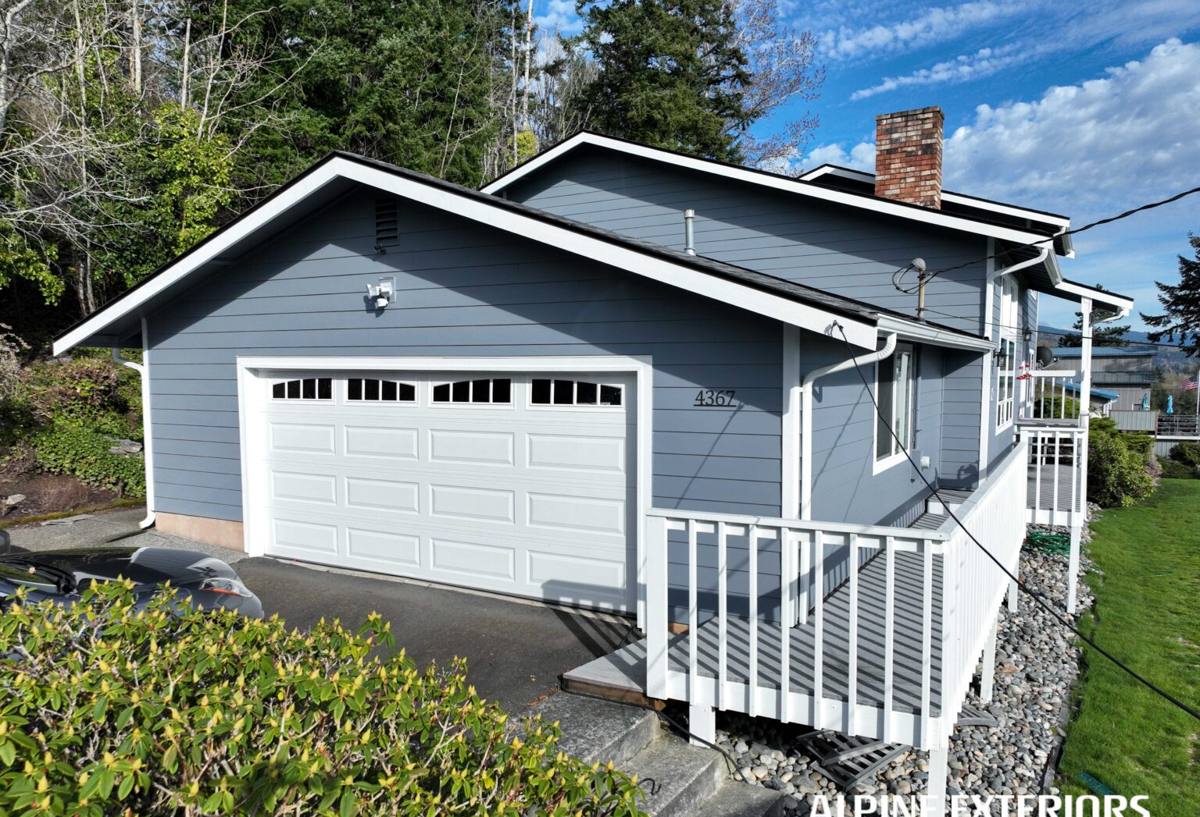
The Problems We See Most Often Out Here
San Juan County's climate is milder than the mainland in temperature, but it's harder on roofs in other ways. Here's what tends to show up first:
Moss and Algae Buildup
Shaded roof sections and anything under overhanging trees stay damp for days after a rain. Moss doesn't just sit on top of shingles — it lifts the edges, holds moisture against the roofing material, and works its rhizoids down into the granule layer. Left long enough, it accelerates shingle wear and can rot the decking underneath.
Salt Air Corrosion
Metal roof fasteners, drip edge, step flashing, and valley metal are all vulnerable to salt-laden air, especially on waterfront and near-shoreline properties. Corrosion often starts at the fastener heads and flashing seams long before it's visible from the ground, which is why a lot of "surprise" leaks aren't sudden at all — they've been developing quietly for a season or two.
Wind-Driven Rain Intrusion
Storms here don't just drop rain straight down. Wind pushes it sideways and up under shingle tabs, around chimney flashing, and into any gap in a ridge or valley detail. A roof that would shed water fine in a calm downpour can leak in a wind-driven one if the underlayment and flashing weren't installed with that in mind.
Gutter and Drainage Overload
Heavy fall rain combined with falling needles and leaves clogs gutters and downspouts fast. When water backs up at the eaves, it can work its way under the first course of shingles — a slow leak that often gets misdiagnosed as a roofing material failure when it's really a drainage problem.
How Roofing Materials Hold Up Differently Here
Not every roofing material responds to Shaw Island's conditions the same way, and that affects how a repair should be approached.
| Material | Moss Resistance | Salt Air Durability | Typical Repair Complexity |
|---|---|---|---|
| Asphalt shingle | Moderate — depends on granule condition and shade exposure | Good; main risk is fastener and flashing corrosion, not the shingle itself | Usually straightforward if matching shingles are available |
| Standing seam / metal panel | Low moss risk on steep pitches | Requires marine-grade fasteners and coatings or corrosion becomes the main issue | Repairs need panel-specific matching and sealant compatibility |
| Cedar shake / composite shake | Higher moss and moisture risk without airflow underneath | Wood shakes need regular treatment; composite handles salt air better | Individual shake replacement is labor-intensive but very doable |
None of these materials are wrong choices for the island — each one just has a maintenance profile you should know about, and a repair approach that respects how that material actually fails.
What an Actual Roof Repair Involves
A repair that just covers the visible symptom — caulking over a crack, laying a shingle over a soft spot — tends to fail again within a season or two out here because it doesn't address what let moisture in to begin with. A repair done right starts with finding the real cause.
- Locate the actual entry point — leaks often show up inside the house well away from where water is actually getting in, so tracing the path matters more than patching the ceiling stain.
- Check the decking — any area that's been wet for a while gets probed for soft spots or rot, not just visually inspected.
- Address flashing and underlayment, not just the roofing surface — most Shaw Island leaks trace back to flashing, not shingles.
- Match materials properly — a patch that doesn't match the existing roof's age, color, or profile weathers unevenly and can create a new water path at the seam.
- Confirm drainage — a repair upstream of a clogged gutter or undersized downspout is treating a symptom, not the cause.
Our Process for Shaw Island Repairs
Inspection and Honest Diagnosis
We walk the roof (or use a drone where pitch or access makes that safer) and check attic or crawlspace access points where visible, looking for moisture staining, soft decking, and the condition of flashing and fasteners — not just the spot you called us about.
A Clear, Written Plan
You get a plain-language explanation of what's actually wrong, what it takes to fix it correctly, and a written estimate before any work starts. If a repair genuinely isn't the right call anymore — because the roof is past the point where patching makes sense — we'll tell you that too, rather than selling a repair that won't hold.
The Repair Itself
We replace what needs replacing — decking, underlayment, flashing, shingles or panels — with materials suited to marine, high-moisture conditions, not just whatever's cheapest to source.
Cleanup and Follow-Up
Debris and old material leave the site with us. We'll also flag anything else we noticed during the repair — a gutter that's undersized, a moss patch that'll be a problem next season — so you're not caught off guard later.
Why an Island-Experienced Crew Matters
Working on Shaw Island isn't the same as working in a mainland neighborhood. Ferry schedules control when crews and materials can arrive and leave, so a repair has to be planned around sailing times, not squeezed in around them. A crew that already works the San Juan Islands knows to stage materials ahead of time, batch trips efficiently, and avoid the wasted-day problem of showing up without something they need and having to wait for the next ferry to fix it.
There's also a practical trust factor on a small island: a contractor who's done work on Shaw Island before has already dealt with its specific quirks — shared or private ferry-dependent access, well and septic considerations near the roofline, and the reality that "we'll swing by tomorrow" isn't always a real option. That experience shows up in fewer surprises and fewer callbacks.
Keeping Moss and Drainage Problems From Becoming Repairs
A lot of the repair calls we get could have been avoided, or at least caught much earlier, with basic seasonal upkeep. Here's what actually helps:
- Clear moss from shaded and north-facing roof sections before it mats down and holds moisture — don't let it sit through a whole wet season.
- Trim back branches that keep sections of the roof shaded and damp; airflow is one of the best moss deterrents there is.
- Clean gutters and downspouts at least twice a year, more often if you're near trees that drop needles or leaves.
- Have flashing around chimneys, vents, and valleys checked periodically — these fail quietly and are cheap to catch early, expensive to catch late.
- Avoid pressure-washing shingles to remove moss; it strips granules and shortens the roof's life. Soft-wash or manual removal is safer.
- After any major windstorm, do a visual check from the ground for lifted shingles, displaced flashing, or debris buildup in valleys.
Repair or Replace? Knowing Which One You Actually Need
Not every roof problem calls for a repair, and not every roof problem calls for full replacement either. The honest answer usually comes down to a few factors:
| Factor | Favors Repair | Favors Replacement |
|---|---|---|
| Age of roof | Well within expected material lifespan | Near or past the material's typical service life |
| Extent of damage | Isolated to one area or detail (flashing, one valley, one section) | Widespread moss, multiple leak points, or decking rot in several areas |
| Underlying decking | Solid, only localized soft spots | Rot or moisture damage spread across a large section |
| Material availability | Matching shingles or panels can still be sourced | Original material discontinued and patches would visibly mismatch |
When a repair is the right call, we'll do the repair. When it isn't, we'll say so plainly and explain why, rather than stretching a Band-Aid fix past the point it makes financial sense.
Roof Repair Is Part of Your Whole Exterior
Roof leaks rarely stay contained to the roof. Water that gets past flashing or a damaged valley often tracks down behind siding, into fascia and soffits, or along wall sheathing before it ever shows up as a stain inside. Because we work on siding and exteriors across Orcas Island and the surrounding San Juan County islands, we look at roof repairs with the rest of the building envelope in mind — checking whether a leak has already affected siding, trim, or sheathing nearby, instead of treating the roof as an isolated system.
If you're dealing with a leak, moss buildup, or storm damage on a Shaw Island roof, we're happy to take a look and give you a straight answer about what it needs. Reach out for a free, no-pressure estimate using the form below.