 Orcas Island
 Siding Installation Built for San Juan Island's Marine Climate
Homes on San Juan Island live inside one of the more demanding exterior environments in Washington State. San Juan County sits fully exposed to Pacific weather systems, with driving, wind-blown rain that hits siding sideways rather than straight down, salt-laden air near the shoreline that accelerates corrosion of fasteners and trim, and long stretches of shade and dampness that keep moss and algae growing on north-facing walls nearly year-round. A siding installation done for a typical inland home doesn't hold up the same way out here. The material, the water management behind it, and the way it's fastened all need to account for conditions that push harder and stay wet longer than most manufacturers' generic installation guides assume.
This page focuses specifically on siding installation for San Juan Island properties — what the climate actually demands, what a correct installation looks like, and why the crew doing the work matters as much as the product going on the wall.
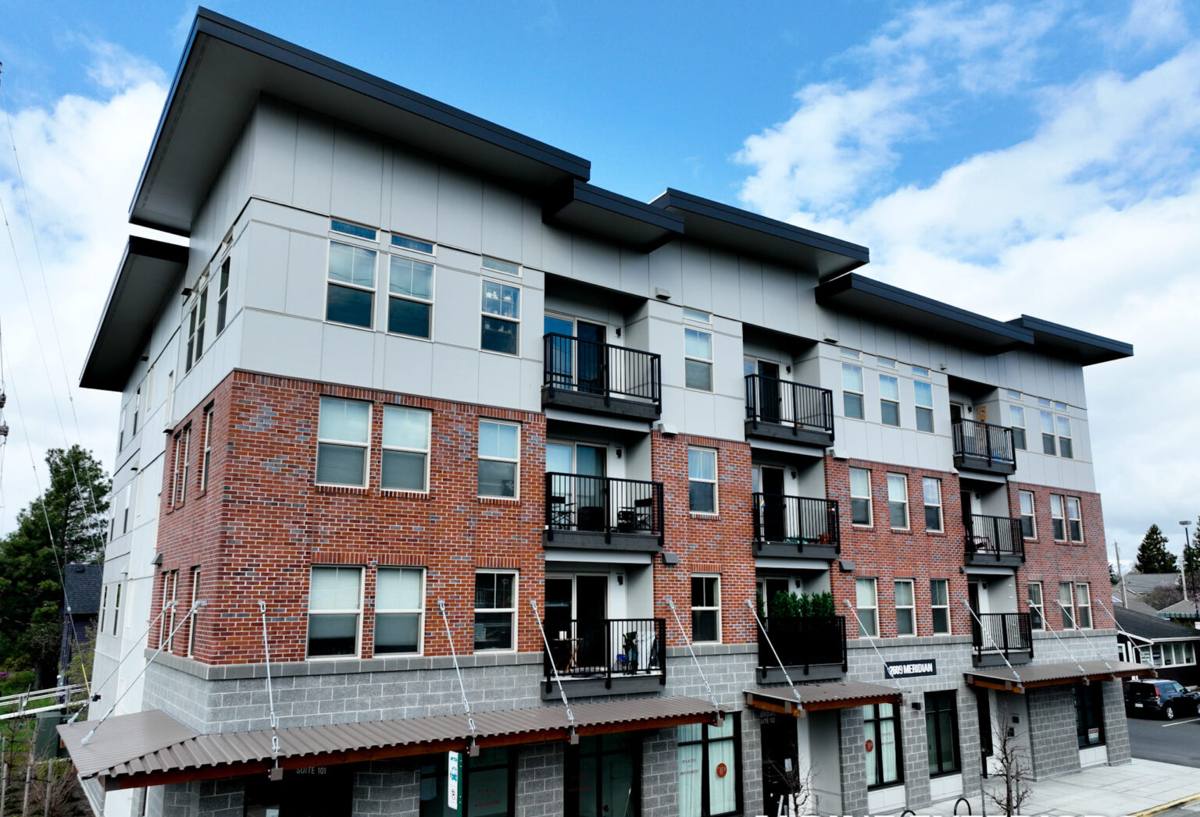
What Salt Air, Driving Rain, and Moss Actually Do to Siding
Salt Air
Properties closer to the water deal with airborne salt that settles on siding, trim, and fasteners. Over years, this accelerates corrosion in anything that isn't rated for coastal exposure — cheap fasteners, uncoated flashing, and some trim hardware. It also breaks down certain paint and coating systems faster than inland weathering would, leading to premature fading or chalking on lower-grade products.
Driving Rain
Wind-driven rain doesn't just wet a wall's surface — it gets pushed sideways and upward into laps, seams, and penetrations that would stay dry in calmer weather. This is a water-management problem, not just a material problem. A siding product can be excellent and still fail early if the weather-resistive barrier, flashing, and lap details behind it weren't installed to shed water correctly under wind pressure.
Moss and Algae
Tree cover, marine humidity, and shaded northern exposures common on San Juan Island create ideal conditions for moss and algae growth. On porous or absorbent siding materials, this isn't just cosmetic — trapped moisture under moss growth can keep a wall assembly damp for extended periods, which shortens the life of the siding, the sheathing behind it, and any wood trim nearby.
What a Correct Siding Installation Actually Involves
A siding job that will actually perform in this climate is mostly decided before the first piece of siding ever goes up. The visible product is only part of the system.
- Weather-resistive barrier: A continuous, correctly lapped house wrap or building paper behind the siding, sealed at penetrations and seams.
- Flashing at every horizontal transition: Windows, doors, decks, roof-to-wall intersections, and any trim board need properly integrated flashing so wind-driven rain has a path out, not in.
- Proper clearances: Siding held above grade, decks, roofing, and other hard surfaces per manufacturer spec, so splash-back and standing moisture don't wick into the bottom edge.
- Correct fastening: Fastener type, spacing, and depth matter — over-driven or under-driven fasteners are a common cause of early siding failure, especially in high-wind coastal exposures.
- Rainscreen or drainage gap where called for: On damp, shaded elevations, a ventilated gap behind the siding lets any moisture that does get in dry out instead of sitting against the wall.
- Sealed and caulked joints at the right locations only: Sealing everything isn't correct practice — some joints are designed to drain, not seal. Over-caulking can trap water rather than release it.
Skipping or rushing any one of these steps is usually invisible on day one and expensive five to ten years later.
Our Process for San Juan Island Homes
Every property on the island has its own exposure profile — a waterfront home facing prevailing wind is a different job than a sheltered, tree-covered lot a half-mile inland. Our process accounts for that from the start.
1. On-Site Assessment
We walk the property and evaluate exposure to wind and rain by elevation, existing moss or algae patterns, current siding and trim condition, and any signs of past moisture intrusion around windows, doors, or the foundation line.
2. Removal and Substrate Check
Old siding comes off and we inspect the sheathing underneath. This is the point where hidden water damage, if any exists, actually gets found and addressed — not covered over.
3. Water Management Rebuild
We install or repair the weather-resistive barrier and flashing system correctly before any new siding goes up. This step gets the least attention on a rushed job and matters the most over the life of the wall.
4. Siding Installation to Manufacturer Spec
Fastening, clearances, and lap details are installed to the manufacturer's published requirements, adjusted for the added coastal exposure where applicable.
5. Final Walkthrough
We review the finished work with the homeowner, including care and maintenance notes specific to their property's sun, shade, and wind exposure.
Why We Install Only James Hardie Fiber Cement
We standardized on James Hardie fiber cement siding for every home we work on, including San Juan Island, and don't install vinyl, LP SmartSide, cemplank, allura, primed spruce, or cedar. That's not a brand preference — it's a decision based on how each material actually behaves in a marine, high-moisture climate over decades, not just the first few years.
Fiber cement is non-combustible, doesn't rot, and doesn't provide a food source for the moss and algae that thrive in this region's shaded, damp conditions the way wood-based products can. James Hardie's HZ5 product line is specifically engineered for climates with sustained moisture exposure, and the factory-applied ColorPlus finish is baked on under controlled conditions rather than field-applied, which gives it more consistent, longer-lasting weather and salt-air resistance than a job-site paint or stain application. It also carries a strong transferable warranty, which matters to owners who may sell before they'd otherwise need to replace their siding.
None of this means other products are without merit — vinyl is inexpensive, wood has real aesthetic appeal, and engineered wood has improved over the years. But when we weighed the maintenance burden, moisture behavior, and long-term performance specifically for this island's climate, fiber cement was the material we were willing to put our name behind.
Cost Factors for Siding Installation on San Juan Island
Every project is different, but these are the main factors that move the price on an island siding job specifically.
| Factor | Why It Affects Cost |
|---|---|
| Access and logistics | Ferry scheduling and material delivery to the island add lead time and can affect project sequencing versus mainland jobs. |
| Existing wall condition | Hidden moisture or sheathing damage found during tear-off adds repair scope before new siding can go on. |
| Wind/rain exposure of the site | Waterfront or wind-exposed elevations may need additional flashing detail or a rainscreen gap, adding labor. |
| Home size and wall complexity | Number of corners, window/door openings, and roof-to-wall intersections all add flashing and cutting time. |
| Trim and accessory scope | Fascia, soffit, and trim replacement alongside siding changes total material and labor cost. |
Signs Your San Juan Island Home May Need New Siding
- Persistent moss or algae growth that returns quickly after cleaning
- Soft, spongy, or discolored siding, especially near the bottom edge or window sills
- Visible warping, cupping, or separation at seams and laps
- Paint or finish that's failing faster than expected, or chalking heavily
- Rust streaks near fasteners or trim hardware
- Rising energy bills with no other clear cause, suggesting a compromised weather barrier
- Visible daylight or drafts at trim and window edges
Why the Crew Matters as Much as the Product
Fiber cement siding installed to spec performs well almost anywhere. Fiber cement siding installed without accounting for wind-driven rain, coastal fastener corrosion, or moss-prone shaded walls can still fail early — the material isn't the whole story. A crew that already works San Juan Island and the broader San Juan County has already seen how the local wind patterns push rain into laps, which elevations hold moss longest, and which older homes on the island tend to have hidden moisture behind their existing siding. That local pattern recognition shows up in the details — flashing choices, fastener selection, and where a rainscreen gap is worth the extra step versus where it isn't.
It also matters for logistics. Scheduling, material delivery, and sequencing around ferry access are just part of doing this work correctly on Orcas Island and San Juan Island — a crew unfamiliar with island logistics can end up rushing steps to make up for lost time, and rushed water-management details are exactly where early siding failures start.
Caring for Your New Siding After Installation
James Hardie fiber cement is low-maintenance compared to wood siding, but "low-maintenance" isn't "no-maintenance," especially in this climate.
- Rinse shaded, moss-prone elevations periodically to keep growth from establishing
- Keep gutters clear so overflow isn't running down the wall face
- Trim back vegetation that keeps a wall section shaded and damp
- Have caulked joints checked every few years — caulk fails well before the siding does
- Address any impact damage or chipped finish promptly so moisture can't get behind the panel
If you'd like a straightforward look at what your San Juan Island home's siding actually needs, we're happy to take a look and walk the property with you. There's no pressure and no obligation — just a clear assessment and an honest recommendation. Reach out using the form below to schedule a free estimate.