 Orcas Island
 Why Eastsound Roofs Wear Out Faster Than Roofs Inland
A roof in Eastsound does more work than a roof of the same age fifty miles inland. The combination of salt-laden air off the surrounding water, long stretches of driving rain, and a moss season that can run most of the year puts steady, compounding stress on every layer of a roofing system — the covering, the underlayment, the flashing, and the deck underneath it.
Salt air accelerates corrosion on any exposed metal: nail heads, flashing, vent caps, and gutter hardware all age faster here than they would in a dry inland climate. Driving rain, especially when it comes sideways off a storm, tests every seam, lap, and penetration on a roof — it finds weaknesses that a gentle straight-down rain never would. And moss doesn't just look bad; it holds moisture against the roofing material, lifts shingle edges, and works its way under flashing over time. Homes on Orcas Island deal with all three at once, which is why roofs here often need attention or replacement sooner than a manufacturer's "expected lifespan" would suggest.
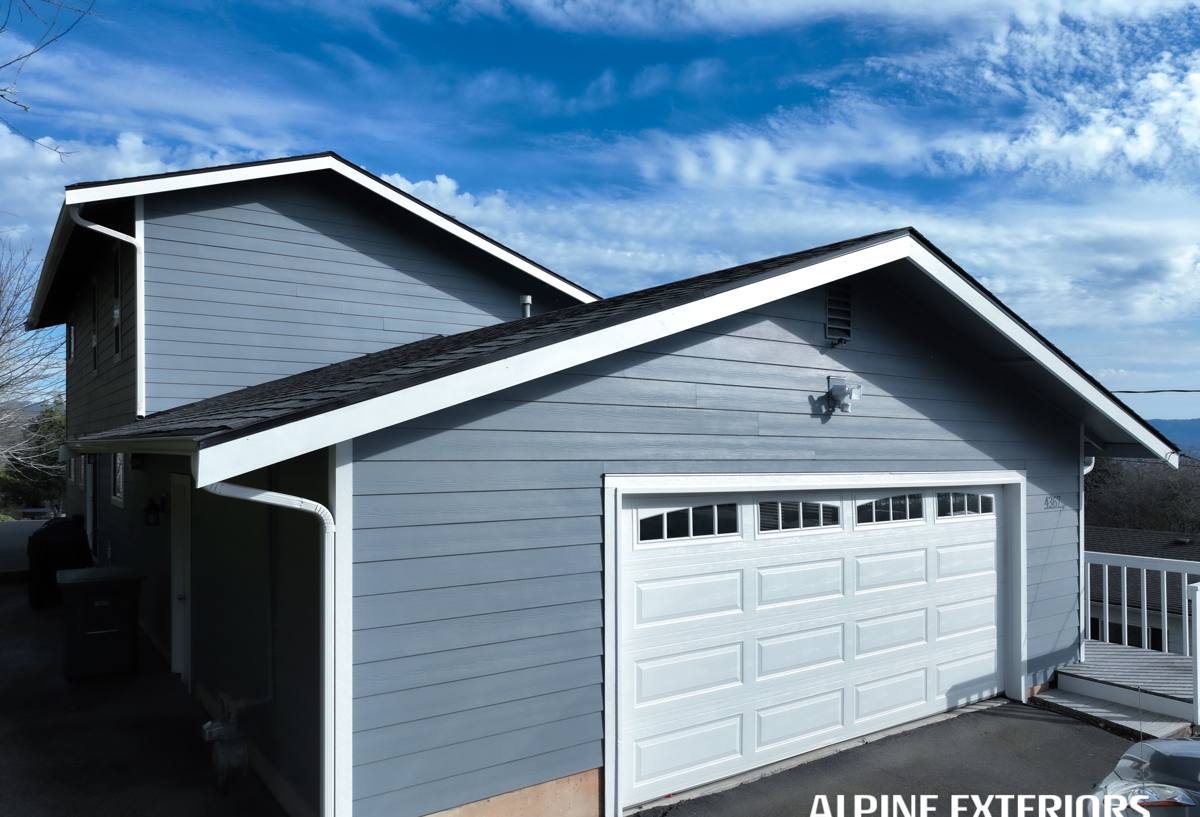
Signs a Roof in Eastsound Needs Replacing, Not Patching
Not every roof problem calls for full replacement. But there's a point where repeated repairs cost more over time than doing the job right once. Here's what we look for when deciding which side of that line a roof is on:
- Granule loss heavy enough that you're finding grit in gutters and downspouts every season
- Shingles that are curling, cupping, or cracking across multiple slopes, not just one sun-exposed section
- Moss and lichen that keep coming back within months of cleaning, especially on north-facing or shaded slopes
- Soft spots, sagging, or visible daylight in the attic where there shouldn't be any
- Flashing around chimneys, skylights, and roof-to-wall transitions that's rusted, lifted, or was never properly stepped and counter-flashed
- Interior water stains on ceilings or in the attic after wind-driven storms
- A roof that's simply reached the end of its material's realistic service life given local exposure, even if it "looks okay" from the ground
If a roof is showing two or more of these, it's usually more cost-effective to plan a full replacement than to keep chasing leaks one repair at a time.
What a Correct Roof Installation Actually Involves
A new roof is only as good as what happens before the new material ever goes down. Skipping steps here is the single biggest reason roofs in wet coastal climates fail early.
Tear-Off and Deck Inspection
We remove the old roofing down to the deck rather than layering over it. That's the only way to actually see the condition of the sheathing underneath — soft, delaminated, or water-stained deck sections get replaced before anything new goes on. Covering a compromised deck with new shingles just hides a problem that will resurface as a leak later.
Underlayment and Ice-and-Water Protection
In a climate with this much sustained rain, the underlayment matters almost as much as the roof covering itself. We use synthetic underlayment across the field for its tear resistance and consistent water-shedding, and self-adhering ice-and-water membrane at vulnerable points — eaves, valleys, and around every penetration — where wind-driven rain is most likely to work its way backward under the roofing material.
Flashing Details
Flashing is where most roof leaks actually originate, not in the open field of shingles. Chimneys, skylights, vent pipes, and any place a roof meets a wall need properly layered, corrosion-resistant flashing — not just a bead of sealant. Given the salt exposure on Orcas Island, we pay close attention to flashing material and fastener choice so it isn't the first thing to fail.
Ventilation
A roof that can't breathe traps moisture in the attic, which shortens the life of the deck and the roofing material from underneath. Balanced intake and exhaust ventilation is part of a correct installation, not an optional add-on.
Choosing a Roofing Material for This Climate
There's no single "best" roofing material for every Eastsound home — the right choice depends on the home's exposure, roof pitch, budget, and how much upkeep an owner wants to take on. Here's how the common options compare under local conditions:
| Material | Performance in Salt Air & Rain | Moss Resistance | Maintenance | Typical Lifespan |
|---|---|---|---|---|
| Architectural asphalt shingle | Good; corrosion-resistant fasteners and flashing recommended | Moderate; benefits from periodic cleaning | Low to moderate | 20–30 years locally |
| Standing seam metal | Excellent when properly coated and fastened for coastal exposure | High; sheds moss more readily due to slick surface and slope | Low | 40–50+ years |
| Cedar shake | Fair; needs regular treatment to handle sustained moisture | Low without diligent upkeep | High | 20–25 years with maintenance |
| Composition (three-tab) shingle | Fair; more seams and edges exposed to wind-driven rain | Moderate | Moderate | 15–20 years locally |
Cost differences between these are real and worth discussing honestly during an estimate — metal typically costs more upfront than asphalt but spreads that cost over a much longer service life, which matters on a home that's dealing with this much weather year-round. We'll walk through what makes sense for your specific roof rather than pushing one product across every job.
How the Roof and Siding Systems Work Together
Because we work on siding across Orcas Island every week, we pay close attention to the places where roof and wall meet — a spot that's often treated as an afterthought by crews who only do one trade. Roof-to-wall flashing, kickout flashing at roof-siding intersections, and proper trim details at eaves and rakes all determine whether water gets directed away from the wall assembly or gets driven behind the siding. A new roof installed without coordinating these details with the siding can actually create a leak point that wasn't there before, even with brand-new materials on both sides.
This is one of the practical advantages of hiring a crew that handles both trades: we're not guessing at how someone else's roof flashing interacts with your siding's water-resistive barrier. We install it as one connected system.
Our Installation Process
- On-site assessment. We inspect the existing roof, attic, and any related siding or trim issues, and take measurements.
- Material walkthrough. We go over the options that fit your home's exposure, pitch, and budget, with honest tradeoffs on cost and longevity.
- Written estimate. A clear scope of work and price, with no vague allowances hiding in the fine print.
- Scheduling around weather and logistics. We plan installation windows around forecasted dry stretches and confirm material delivery timing in advance.
- Tear-off, deck repair, and dry-in. The old roofing comes off, any deck issues get fixed, and the roof is protected the same day whenever possible so it's never left exposed overnight.
- Installation. Underlayment, flashing, and the new roofing material go on to manufacturer and code specifications.
- Final walkthrough. We review the completed roof with you, including ventilation, gutters, and any siding or trim work that was coordinated with the roof.
Permits, Materials, and Working on an Island
Roofing projects on Orcas Island come with logistics that a mainland job doesn't. Material orders need to account for ferry schedules, and larger deliveries or specialty products may need extra lead time compared to a same-day mainland pickup. Depending on the scope of work, San Juan County permitting may apply, and we factor that into project timelines rather than treating it as a surprise partway through the job. Planning ahead on both fronts is part of why jobs stay on schedule instead of stalling out waiting on a part or a signature.
Keeping a New Roof Performing After Installation
A well-installed roof still needs basic upkeep in this climate to hit its full lifespan:
- Clean gutters and downspouts at least twice a year so water isn't backing up under the roof edge
- Remove moss buildup promptly rather than letting it establish, especially on shaded or north-facing slopes
- Trim back overhanging branches that keep sections of the roof damp and shaded
- Have flashing and penetrations checked periodically, since these fail well before the field material typically does
- Address any small leak signs immediately — in a climate this wet, small problems don't stay small for long
Why Hire a Crew That Already Works in Eastsound
A roofing crew that only visits Orcas Island occasionally is learning the local conditions on your project. A crew that already works Eastsound regularly has already seen how salt air treats different flashing metals, which slopes hold moss the longest, and how wind-driven rain actually behaves against a given roof orientation here — knowledge that shows up in the details of the installation, not just the sales pitch. It also means we're accountable locally: we're not disappearing across the water once the last shingle is nailed down.
If your roof is showing its age or you're planning ahead for a replacement, we're happy to take a look and give you a straightforward assessment. Fill out the form below for a free, no-pressure estimate — we'll tell you honestly what your roof needs and what it doesn't.