 Orcas Island
 Why Friday Harbor Homes Take a Different Kind of Beating
Windows on a mainland home in a dry, inland climate can get away with an average install and a mid-grade frame. Windows on a home near Friday Harbor don't get that luxury. Between the salt-laden air off the water, the wind-driven rain that comes sideways off Puget Sound, and a shade-and-moisture cycle that keeps sills, tracks, and trim damp for months at a stretch, every weak point in a window assembly gets found and exploited faster here than almost anywhere else in San Juan County.
That's not a sales pitch — it's just what happens when hardware, sealants, and wood are asked to perform in a marine environment year-round. A window that's rated fine for a general Pacific Northwest climate can still underperform on an exposed lot near the water. Getting custom windows right in this area means choosing materials and details for the actual conditions the home sits in, not the conditions on a generic spec sheet.
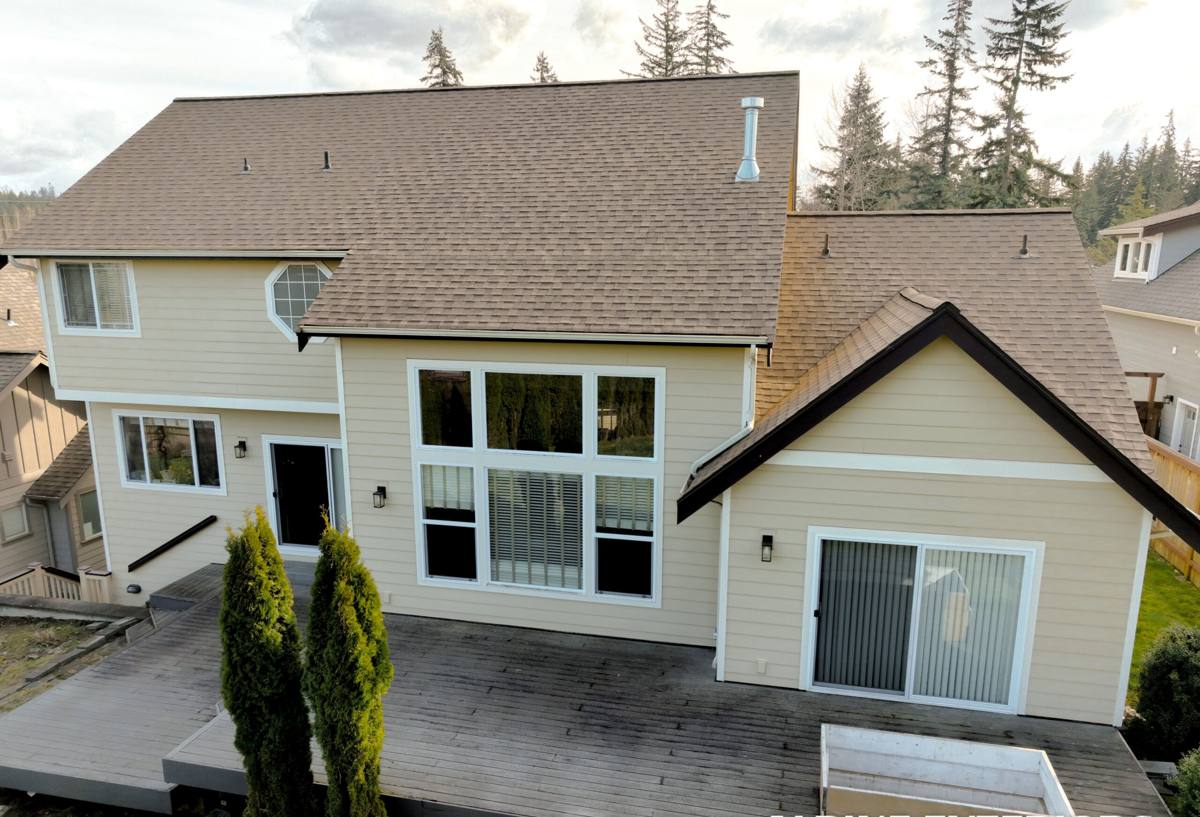
What Salt Air, Driving Rain, and Moss Actually Do to a Window
Salt Air and Hardware Corrosion
Airborne salt settles on everything — glass, frames, and especially exposed metal hardware like hinges, cranks, locks, and screws. Over years, that salt film accelerates corrosion on lower-grade hardware and can pit or discolor aluminum components that aren't properly finished. The window still looks fine from ten feet away long after the moving parts underneath have started to bind or seize.
Driving Rain and Water Intrusion
Wind-driven rain doesn't just fall on a window, it gets pushed sideways and upward into any gap in the flashing or sealant. On exposed elevations facing open water, this is a real load, not a worst-case scenario. A window that's caulked in but not properly flashed will usually hold up fine in a light rain and fail during the first real storm, sending water behind the trim and into the wall cavity where nobody sees it until there's rot or a stain on the interior wall.
Moss, Shade, and Trapped Moisture
San Juan County's long, wet, shaded season is hard on more than roofs. Moss and algae take hold on north-facing sills, tracks, and exterior trim, holding moisture against wood and painted surfaces for weeks at a time. On older wood windows especially, this is where sill rot and paint failure usually start — not from a single storm, but from months of a damp organic layer sitting where it shouldn't.
Picking a Frame Material That Belongs on an Island
There's no single "best" window material for every home — it depends on exposure, budget, and how the home is finished. What matters is picking with the local climate in mind, not just looks.
Vinyl
Vinyl is affordable and won't rust or rot, which makes it a reasonable choice on more sheltered elevations. It can become brittle over a long service life with constant UV and salt exposure, and its welded corners are only as good as the manufacturer's quality control, so we're selective about which vinyl lines we'll put on an exposed wall.
Fiberglass
Fiberglass frames expand and contract at nearly the same rate as glass, hold paint well, and resist corrosion and moisture damage better than most other materials. It costs more up front than vinyl, but for homes on exposed lots near the water, it's often the better long-term trade-off.
Wood and Wood-Clad
Solid wood interiors with a clad exterior (aluminum or fiberglass) give you real wood on the inside and a weather-resistant shell facing the elements. This is a strong option when the look matters, but it depends entirely on correct installation and flashing — clad wood windows fail early almost exclusively because of water getting behind the cladding, not because of the product itself.
Aluminum-Clad and Aluminum-Frame
Metal frames are strong and low-maintenance, but standard aluminum conducts cold and can corrode near saltwater unless it carries a marine-grade finish. We treat this as a case-by-case material, not a default, for anything facing open water.
| Material | Salt-Air Durability | Upkeep | General Cost Range |
|---|---|---|---|
| Vinyl | Good on sheltered walls, weaker long-term on exposed ones | Low | Lowest |
| Fiberglass | Strong across most exposures | Low | Mid to upper-mid |
| Wood-Clad | Good if flashed correctly; install-sensitive | Moderate | Upper-mid to high |
| Aluminum | Needs marine-grade finish near water | Low to moderate | Varies widely |
What a Correct Custom Window Installation Actually Involves
The frame material matters less than most homeowners think — the installation is where windows actually succeed or fail in this climate. A correct install includes:
- A sloped sill pan or pan flashing under every opening, so any water that gets past the window has somewhere to go besides the wall cavity
- Properly lapped house wrap and flashing tape integrated with the window's nailing fin, shingle-style from the bottom up
- Backer rod and a quality exterior-grade sealant at the trim joint, not just a bead of caulk over a gap
- Shimming and squaring the unit so it operates smoothly and seals evenly for years, not just on day one
- Interior air sealing, which matters as much as exterior water management for comfort and preventing condensation
Because we work on siding as our core trade, we treat window installation as part of the building envelope, not an isolated task. When we're already opening up the wall around a window, we make sure the flashing ties into the surrounding siding and weather barrier correctly instead of getting patched around it.
Permits, Codes, and Island Timelines
Window replacement and new openings in San Juan County typically go through the county permitting process, and requirements can vary depending on whether it's a like-for-like replacement or a change to the opening size, egress requirements for bedrooms, or energy code compliance. We handle this as part of the job rather than leaving homeowners to sort it out.
Island logistics add a real variable that mainland projects don't have to plan around. Custom windows are built to order and shipped in, then routed through ferry or barge freight to reach the island. Weather, ferry schedules, and manufacturer lead times all stack together, so realistic scheduling — not the fastest possible promise — is what actually keeps a project on track.
Our Process for a Friday Harbor Window Project
- On-site visit to measure openings, assess exposure, and check for existing water damage around current windows
- Material and glazing recommendations based on which elevation the window faces and how exposed it is
- Permit review and filing with the county where required
- Ordering, with a realistic lead time that accounts for island freight
- Careful removal of the old unit and inspection of the framing and sheathing underneath before anything new goes in
- Installation with sill pan flashing, properly lapped weather barrier, and sealed trim
- Integration with adjacent siding and trim so the finished opening looks and performs as one system
- Final walkthrough and operation check on every window before we call the job done
Signs Your Current Windows Are Already Failing
Most window failures in this climate show up gradually. Worth checking for:
- Soft or discolored wood trim or sill around the window frame
- Fogging or moisture between panes on double- or triple-glazed units
- Hardware that's stiff, corroded, or won't latch fully
- Visible gaps or cracked caulk at the trim-to-siding joint
- A cold draft near the window even when it's fully closed and latched
- Moss or dark staining building up on the sill or lower track
- Paint peeling or bubbling specifically around the window, not the rest of the wall
Any one of these can be minor. Two or three together on the same window usually means water has already gotten behind the trim.
Maintenance That Actually Extends Window Life Here
A little seasonal upkeep goes a long way in a marine climate:
- Rinse salt film off frames and glass a few times a year, especially on water-facing elevations
- Clear moss and debris from sills and tracks before it holds moisture against the surface
- Lubricate hardware annually to slow corrosion on hinges, cranks, and locks
- Check and refresh exterior caulk at the trim joint every few years rather than waiting for a visible gap
- Keep gutters and downspouts clear so runoff isn't sheeting directly across upper windows
Why Hire a Crew That Already Works This Island
Custom window work on Orcas Island and in Friday Harbor comes with logistics that a mainland-based crew doesn't deal with day to day — ferry-dependent scheduling, freight lead times for special orders, and a county permitting process with its own local requirements. A crew that already works these islands plans around that instead of getting surprised by it mid-project.
It also means the work gets judged against real island conditions, not a generic install standard. We see how windows in this exact climate hold up over years, which is exactly why we treat flashing, material choice, and sealant details as non-negotiable rather than optional upgrades.
If you're dealing with drafty, foggy, or failing windows on a Friday Harbor home, or planning new construction, we're glad to take a look and talk through honest options for your home's exposure and budget. Reach out below for a free, no-pressure estimate.