 Orcas Island
 Why Window Performance Is Different on Lopez Village and Orcas Island
Lopez Village sits close to the water, and that changes what a window has to survive. Homes here deal with salt-laden air moving off the water, wind-driven rain that hits siding and window walls sideways rather than straight down, and a wet, mossy season that can stretch for months. A window that's rated fine for a dry inland climate can still fail early here — not because the glass is bad, but because the frame, flashing, and seals weren't matched to what San Juan County actually throws at a house.
When we talk about "energy-efficient windows" for this area, we're really talking about two things at once: how well the window holds heat in (or out) and how well it keeps water and salt air from working their way into the wall assembly around it. Get the first part right and skip the second, and you'll have a window that saves on heating bills for a few years and then rots out its own frame from the inside.
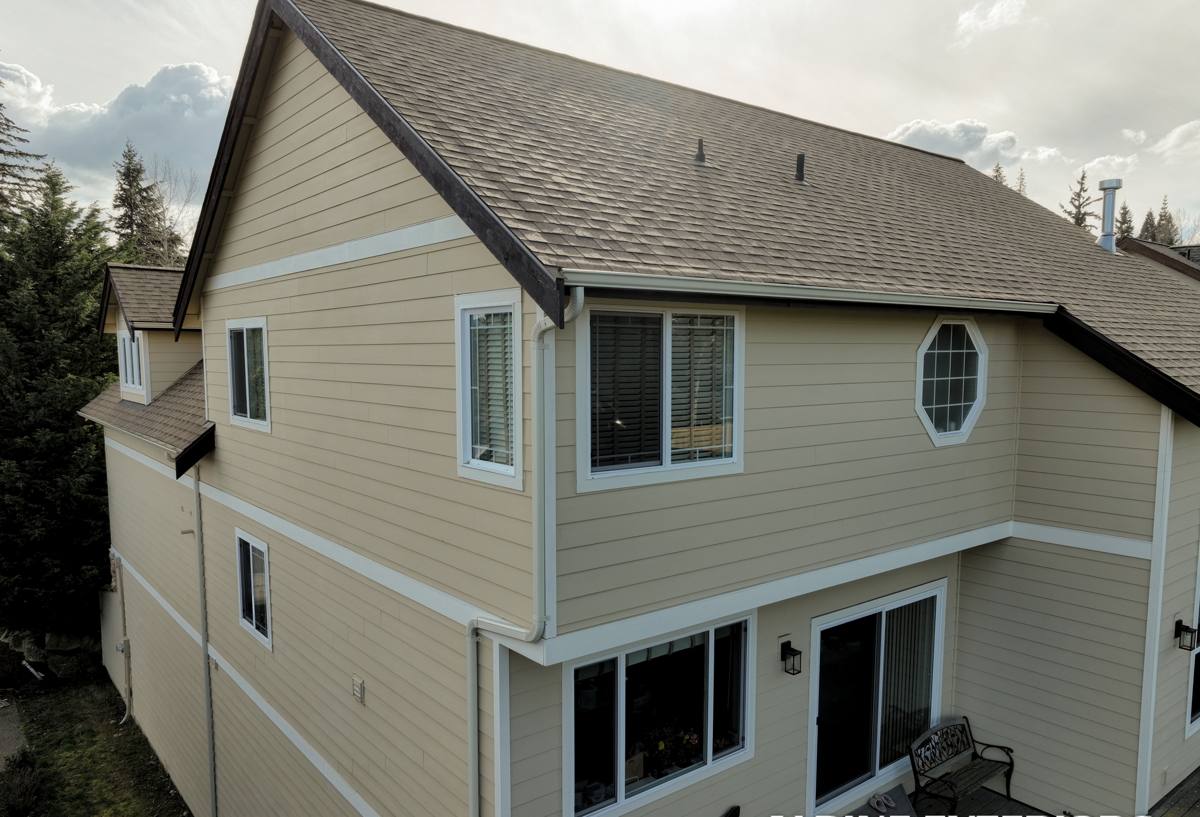
What Lopez Village Homes Actually Need From a Window
Moisture Management First, Efficiency Second
On the mainland, a window upgrade is mostly an insulation conversation. Out here, moisture management has to come first, because a leaky install undoes any energy benefit within a few wet winters. That means correct flashing integration with the wall and siding, a sloped sill pan that actually drains outward instead of pooling, and sealants rated for marine/coastal exposure rather than generic caulk.
Salt Air and Hardware Corrosion
Salt air is hard on exposed metal — hinges, cranks, locks, and even some low-grade aluminum spacer bars inside the glass unit. We look for corrosion-resistant hardware and frame materials that won't pit or seize up after a few seasons of onshore wind. This matters more for west- and south-facing windows that catch the brunt of weather coming off the water.
Moss, Algae, and Constant Dampness
The long wet season here means anything with a horizontal ledge — a sill, a trim cap, a mullion — stays damp longer than it would inland, and that's exactly where moss and algae like to establish. Window trim details that shed water quickly, rather than holding a film of moisture, make a real difference in how much cleaning and maintenance a homeowner ends up doing every year.
What "Correct" Actually Looks Like in the Install
A lot of window problems we get called out to fix aren't the window's fault — they're the install's fault. The window itself did its job; the opening around it didn't. A correct job in this climate includes:
- Removing old flashing and sealant fully rather than sealing over it — trapped moisture behind old caulk is one of the most common hidden rot causes we find
- Installing a sloped sill pan so any water that gets past the sash drains back outside instead of sitting on wood framing
- Integrating window flashing tape with the home's weather-resistive barrier in the correct shingle-lap order, so water sheds down and out, not into the wall
- Using low-expansion, coastal-rated sealant at the frame perimeter, not standard interior caulk
- Checking and correcting rough-opening rot or soft framing before the new window ever goes in — a beautiful new window in a compromised opening just hides the problem for a while
- Confirming the window's energy rating (U-factor, and often solar heat gain coefficient) actually matches the orientation of that specific wall — a south-facing window and a north-facing window don't need the same glass package
Glass and Frame Choices That Hold Up Here
We steer homeowners toward window products with proven marine-exposure performance rather than the cheapest efficient-rated option on paper. That usually means fiberglass or well-built vinyl frames with reinforced corners, dual or triple-pane glass with a warm-edge spacer system (not bare aluminum spacers, which conduct cold and corrode faster in salt air), and factory-applied finishes rated for coastal UV and salt exposure. We're not chasing a brand name — we're matching the product's real-world track record to this specific environment.
Our Process for a Lopez Village Window Project
- On-site assessment — we look at each window opening individually, not just the house as a whole. Orientation, existing water damage, and current flashing condition all factor into the plan.
- Honest scope — some openings just need new windows; others need framing repair or better flashing detailing first. We tell you which is which before work starts, not after we've opened the wall.
- Product selection — we recommend frame and glass packages based on that window's sun and weather exposure, not a one-size answer for the whole house.
- Removal and prep — old units come out fully, including old sealant and flashing, so we can actually inspect the rough opening underneath.
- Install with coastal detailing — sloped sill pans, correctly lapped flashing, and marine-rated sealant at every perimeter, every time.
- Final check — operation, seal, and drainage are all tested before we call the job done.
Cost Factors to Expect
Every home and opening is different, so we won't quote a number without seeing the job, but these are the factors that actually move the price:
| Factor | Why It Matters Here |
|---|---|
| Frame material (vinyl, fiberglass, wood-clad) | Fiberglass and quality clad products cost more up front but hold up longer against salt air and moisture |
| Glass package (double vs. triple pane, coatings) | Orientation and exposure to driving rain/wind determine how much performance is worth paying for on a given wall |
| Condition of the existing rough opening | Hidden rot or old failed flashing found during removal adds repair scope before the new window can go in |
| Number and size of openings | Larger units and multi-window walls take more flashing detail work per opening |
| Access and site conditions | Waterfront and hillside lots common around Lopez Village can add setup time and material staging complexity |
Signs Your Current Windows Are Losing the Fight
- Condensation forming between the panes (a sign the seal has failed, not something that can be fixed — the unit needs replacing)
- Visible staining, soft wood, or bubbling paint/finish at the sill or lower corners
- Persistent moss or dark streaking on the sill or trim that keeps coming back after cleaning
- Drafts you can feel even with the window fully latched
- Hardware that's stiff, corroded, or hard to operate — especially on walls facing the water
- Noticeably colder rooms on the windward side of the house during winter storms
Any one of these on its own might just mean a minor repair. Several together, especially on the same wall, usually mean it's time to replace rather than patch.
Why Local Experience Matters for This Job
Window replacement looks the same on paper everywhere — measure, order, remove, install. What's different is knowing which details actually matter for a specific place. A crew that's done this work around Orcas Island and the rest of San Juan County has already seen which flashing details fail in driving coastal rain, which hardware corrodes fastest in salt air, and which trim shapes actually shed moss instead of collecting it. That's not something you get from a manufacturer's install manual — it comes from doing the work here, on homes with the same weather exposure yours has, and going back to see what held up and what didn't.
It also means we're not guessing about your specific wall's exposure. A window on the water side of a Lopez Village home and one tucked on the leeward side of the same house can reasonably get different glass and frame recommendations, and that only comes from someone who's paying attention to orientation and exposure, not just filling an order.
Maintenance That Protects the Investment
Even a correctly installed, high-quality window benefits from basic upkeep in this climate:
- Rinse salt residue off frames and glass periodically, especially after storms
- Check and clean weep holes so they aren't clogged with debris or algae
- Inspect exterior sealant annually for cracking or separation, and have it renewed before it fails, not after
- Remove moss or algae buildup on sills and trim promptly rather than letting it establish
- Operate hardware periodically even on windows you rarely open, to keep mechanisms from seizing
If your windows are drafty, fogging, or showing water damage, or you're planning ahead for a remodel, we're happy to take a look and give you a straightforward, no-pressure estimate for your home. Use the form below to get started.