 Orcas Island
 Why Metal Roofing Makes Sense in Friday Harbor
Friday Harbor and the surrounding San Juan Islands sit in a marine environment that is hard on roofing. Salt-laden air moves in off the water, rain arrives sideways as often as it falls straight down, and shaded, tree-covered lots hold moisture long after a storm has passed. A roof out here isn't just shedding water for a few wet months — it's working against that combination nearly year-round. Metal roofing has become a popular answer because it handles each of those stresses better than most alternatives, provided the system and the installation are matched to this specific climate.
This page focuses on one thing: metal roofing for homes in and around Friday Harbor. Not a general overview of every roofing material, and not a generic metal roofing pitch that could apply anywhere. What follows is what actually matters for a roof that has to survive salt air, driving rain, and a long moss season on a San Juan County home.
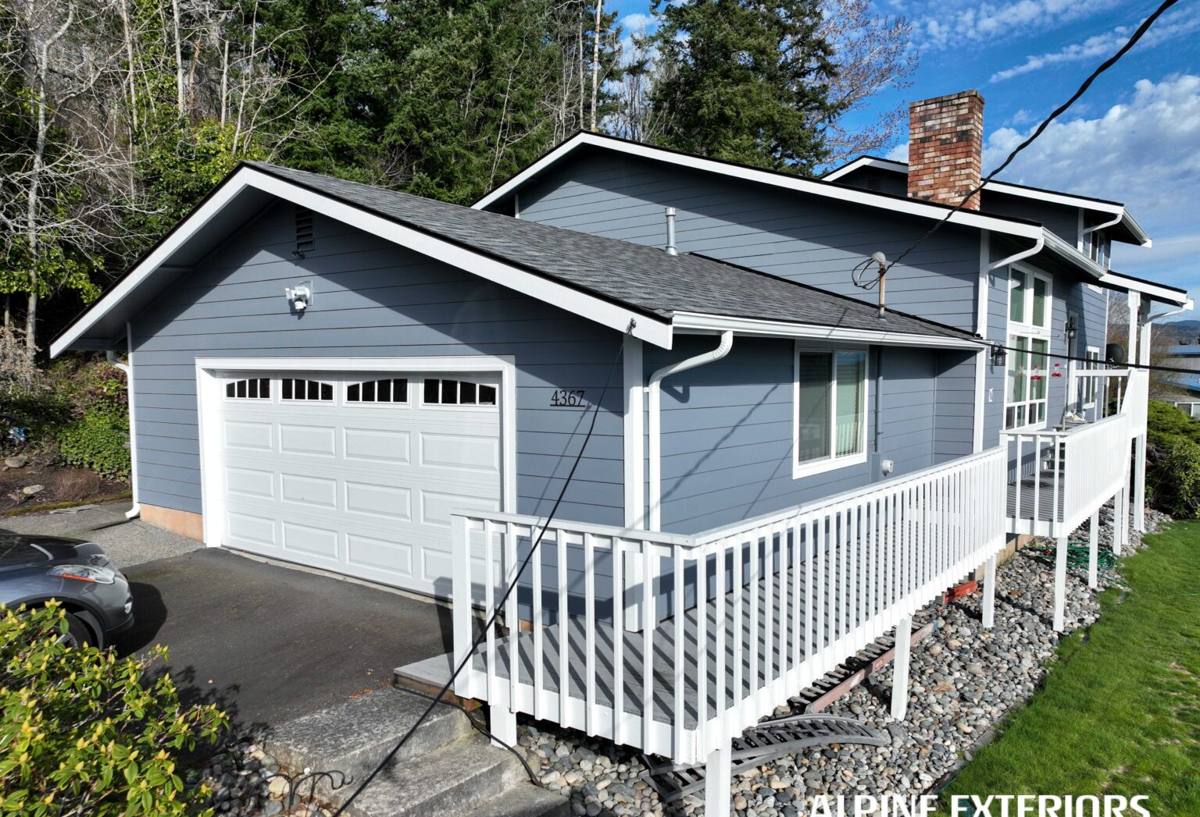
What the Local Climate Actually Does to a Roof
Salt Air and Corrosion
Even a mile or two from the water, airborne salt settles on exposed metal — fasteners, flashing, exposed edges — and accelerates corrosion over time. Not every metal roofing product is built with this in mind. Bare or lightly coated steel and mismatched fastener metals are where problems tend to start, usually at the edges and penetrations rather than across the open field of the roof.
Driving, Wind-Driven Rain
Rain that comes in at an angle finds its way into laps, seams, and fastener penetrations that would stay dry in a calmer climate. On a metal roof, this makes seam type, underlayment choice, and flashing detail more important than the panel itself. A roof that looks fine from the ground can still be letting water past the surface layer if those details were rushed.
Moss, Shade, and Standing Moisture
Many lots here carry heavy tree cover, and a long stretch of the year is cool and damp enough for moss and organic growth to take hold. Moss doesn't just look bad — it holds moisture against roofing material, works into laps and fastener heads, and on some materials it can trap enough water to cause slow, hidden damage. Metal roofing resists this far better than asphalt shingles or wood, but it isn't immune, especially where debris collects in valleys or against a chimney or dormer.
Choosing the Right Metal System for This Environment
"Metal roofing" covers several different products, and the right choice depends on your roof's pitch, your budget, and how much you want to think about maintenance. We walk every homeowner through the real trade-offs rather than pushing one product for every job.
| System Type | Best For | Salt/Moisture Notes |
|---|---|---|
| Standing seam (concealed fastener) | Most roof pitches, long-term low maintenance | Fewest exposed penetrations; best resistance to wind-driven rain |
| Exposed-fastener panel | Lower upfront budgets, outbuildings, simpler roofs | Fastener gaskets age faster in salt air and need periodic checking |
| Metal shingles/shakes | Homes wanting a traditional look with metal durability | More seams and laps than standing seam; detailing at valleys matters more |
| Steel vs. aluminum substrate | Depends on coating and site exposure | Aluminum resists salt corrosion inherently; steel relies fully on its coating staying intact |
For homes closer to the water or fully exposed to prevailing weather, we generally steer clients toward standing seam with a quality factory finish, simply because it minimizes the number of places water and salt can get a foothold. That's a maintenance and longevity call, not a claim that other systems are inadequate — exposed-fastener panels and metal shingles both have a place, especially on secondary structures or tighter budgets.
Coatings and Fasteners Matter as Much as the Panel
Two roofs using the same panel profile can perform very differently based on the finish and the hardware. We pay attention to:
- Factory paint systems rated for coastal/marine exposure, not just standard residential grade
- Fastener and flashing metals that are compatible with the panel metal, to avoid galvanic corrosion where dissimilar metals touch
- Sealants and closures rated to stay flexible through our temperature swings and damp winters, not just at install
- Panel gauge appropriate to the roof's exposure, not the thinnest option that technically meets code
What a Correct Installation Involves
Metal roofing has a reputation for being low-maintenance, and it is — but only when the installation underneath the visible panel is done right. Problems on metal roofs almost never start in the open field of a panel; they start at the details.
- Deck inspection and prep. We check the existing roof deck for soft spots, rot, or moisture damage before anything goes down — common on older homes here where a roof has been fighting damp shade for years.
- Underlayment selection. Given the amount of wind-driven rain locally, we use synthetic or self-adhered underlayment rated for high-moisture climates, not a bare-minimum layer.
- Ice and water protection at vulnerable points. Valleys, eaves, and roof-to-wall transitions get extra protection, since these are where driving rain and moss debris both concentrate.
- Panel layout and seam direction. Panels are run and lapped with prevailing wind and water flow in mind, not just for the shortest cut list.
- Flashing at every penetration. Chimneys, vents, skylights, and wall transitions get properly formed and sealed flashing — the single most common failure point on any roof, metal or otherwise.
- Fastener and sealant compatibility. Matched to the panel metal, rated for coastal exposure, and installed to the panel manufacturer's actual spec rather than a generalized default.
- Ventilation check. Proper attic and roof ventilation keeps condensation from forming on the underside of the panels, which matters in our humid, temperate climate.
Our Process, Start to Finish
We keep the process straightforward, because most homeowners just want to know what's happening and when.
1. On-Site Assessment
We look at your existing roof, deck condition, pitch, exposure, and any trouble spots — moss buildup, past leaks, shaded valleys — and talk through which metal system fits your home and budget.
2. Clear, Itemized Estimate
You get a written estimate that spells out the panel system, underlayment, flashing approach, and any deck repair, so there's no guessing what's included.
3. Scheduling Around Island Logistics
Material delivery and scheduling on the islands takes planning that a mainland-only contractor often doesn't account for. We build ferry and delivery timing into the schedule up front so it doesn't turn into a surprise mid-project.
4. Installation
Deck prep, underlayment, panels, and flashing installed in sequence, with attention paid to the detail work described above — not just the visible panel run.
5. Walkthrough and Cleanup
We walk the finished roof with you, confirm flashing and penetrations, and clear the site of debris and packaging before we consider the job done.
Maintenance in a Moss and Salt-Air Climate
Metal roofing needs far less upkeep than shingles, but "low-maintenance" isn't "no-maintenance" here. A short annual routine goes a long way:
- Clear needles, leaves, and moss debris from valleys and against chimneys or dormers before they hold moisture against the roof
- Check gutters and downspouts so water isn't backing up under eave flashing during heavy rain
- Look over exposed fasteners on exposed-fastener systems for early signs of corrosion or a loosened gasket
- Trim back overhanging branches that keep sections of the roof shaded and damp longer than the rest
- Watch for streaking or dark growth in shaded areas, which is easier to address early than after it's established
What Affects Metal Roofing Cost Here
Costs vary by roof, so we won't quote numbers without seeing the job — but these are the real factors that move the price up or down:
| Factor | Effect on Cost |
|---|---|
| Panel system (exposed-fastener vs. standing seam) | Standing seam costs more upfront, less over the roof's life |
| Roof complexity (valleys, dormers, penetrations) | More detail work means more labor and flashing |
| Existing deck condition | Rot or soft decking found during tear-off adds repair cost |
| Coating/finish grade | Marine-grade finishes cost more but hold up better against salt air |
| Access and site logistics | Steep sites or tight island delivery windows can add time |
Why a Crew That Already Works Friday Harbor Matters
Metal roofing isn't a forgiving material to learn on the job. A crew unfamiliar with island logistics can underestimate material lead times, misjudge how much a shaded, moss-prone lot will affect a roof's long-term performance, or apply a generic coastal-adjacent spec that doesn't quite fit San Juan County's specific mix of salt exposure and rainfall. Working regularly in Friday Harbor and the surrounding islands means fewer surprises: material and scheduling planned around ferry timing, an understanding of how local microclimates on different lots affect moss and moisture, and familiarity with the permitting and inspection process in the county. That local knowledge shows up in fewer callbacks and a roof that's actually built for the conditions it will face, not just conditions in general.
Get a Straightforward Estimate
If you're weighing metal roofing for a home in Friday Harbor or elsewhere in the San Juan Islands, we're happy to take a look and give you an honest read on what your roof needs — no pressure, no upsell. Use the form below to request a free estimate and we'll get back to you to schedule a visit.