 Orcas Island
 Deer Harbor Decks Take a Different Kind of Beating
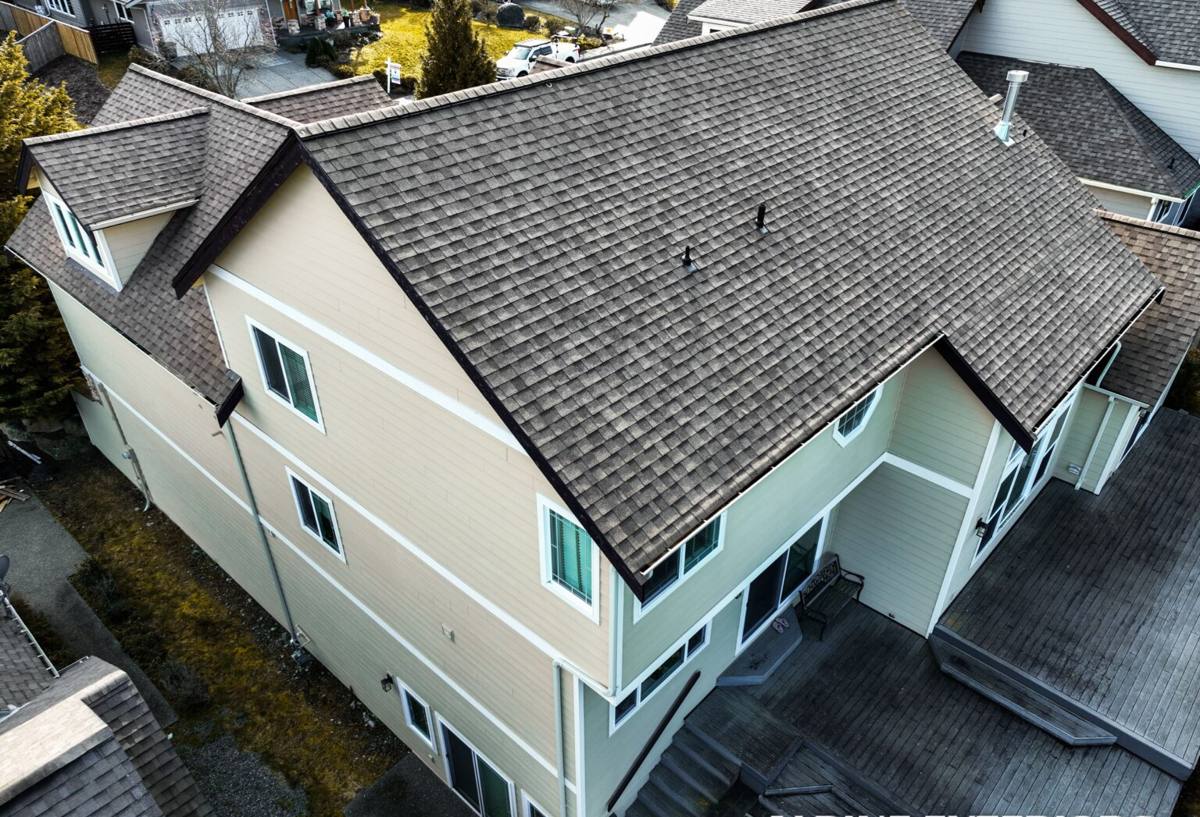
A deck in Deer Harbor doesn't fail the same way a deck fails somewhere inland. Out here on the west side of Orcas Island, homes sit close to saltwater, exposed to marine air that moves through wood, metal, and finish coatings differently than dry-climate air ever does. Add in San Juan County's long wet season, heavy moss growth on shaded north- and west-facing structures, and the driving rain that comes sideways off the water during winter storms, and you get a very specific failure pattern: hidden rot at the ledger board, corroded fasteners you can't see until they let go, and surface decay that shows up years before it should on a deck built with mainland assumptions.
Replacing a deck here isn't just swapping old boards for new ones. It's rebuilding a structure to actually survive the environment it sits in. That's the job we specialize in, and it's why this page exists as its own service rather than a generic deck page — Deer Harbor conditions call for specific material choices, specific fastening details, and a specific eye for where moisture collects.
How Salt Air, Rain, and Moss Actually Damage a Deck
Salt Air and Metal Fasteners
Salt-laden air accelerates corrosion on any fastener, bracket, or connector that isn't rated for it. On a lot of older Deer Harbor decks, the ledger flashing, joist hangers, and structural screws were never upgraded to marine-grade or stainless hardware. Corrosion at these points is dangerous precisely because it's invisible from the top — the boards can look fine while the connections underneath are failing.
Driving Rain and Water Intrusion
Storms coming off the water don't fall straight down — they drive sideways into ledger boards, stair stringers, and any spot where the deck meets the house. Without proper flashing and a drainage gap, water gets pushed into places it was never meant to reach, and it stays wet far longer than it would in a drier climate.
Moss and Shade
Orcas Island's tree cover and long overcast season mean moss and algae take hold fast on any deck surface that doesn't get regular sun and airflow. Beyond looking bad, a mossy deck surface holds moisture against the wood constantly, softens the top fibers, and turns a boring maintenance chore into a genuine structural issue if it's ignored for a few seasons.
Signs a Deer Harbor Deck Needs Replacement, Not Just Repair
Not every tired-looking deck needs to come out. But there are signs that mean patching individual boards is just delaying the real job:
- Soft or spongy spots when you walk across the deck, especially near the house or at stair landings
- Visible rot, dark staining, or crumbling wood at the ledger board where the deck attaches to the house
- Rust streaks below joist hangers, screw heads, or structural brackets
- Persistent moss or algae that returns within weeks of cleaning, no matter the season
- Railings or posts that feel loose or flex under normal pressure
- A deck older than 15–20 years that has never had its substructure inspected
- Gaps opening up between boards, or boards cupping and warping despite regular maintenance
If it's just surface graying or a handful of worn boards on an otherwise sound frame, repair may genuinely be the right call — we'll tell you that honestly during an inspection rather than push a full rebuild you don't need.
What a Correct Deck Replacement Actually Involves
Starting Below the Surface
The visible decking is the easy part. A correct replacement starts with the substructure: footings, posts, beams, joists, and — most importantly for this climate — the ledger connection to the house. Every one of those components gets inspected, and anything showing rot, undersizing, or corrosion gets replaced, not patched around.
Ledger and Flashing Detail
The ledger board is where most Pacific Northwest deck failures actually begin, because it's the one spot where a structure penetrates the house's water management system. We install proper flashing that directs water away from the house framing, with a drainage gap behind the ledger so any moisture that does get in has somewhere to go instead of sitting against wood.
Fasteners and Hardware
Given the salt air here, we use stainless steel or hot-dip galvanized structural hardware rated for coastal exposure — joist hangers, structural screws, and post bases included. It costs more up front than standard mainland-grade hardware, but replacing corroded connectors in ten years is a far bigger expense than doing it right the first time.
Ventilation and Drainage
Framing gets spaced and detailed to allow airflow underneath, which matters more here than in a dry climate because it's the difference between wood that dries out between rain events and wood that stays damp all winter.
Decking Material Options for a Marine Climate
Material choice matters more on Orcas Island than it does inland. Here's how the common options actually perform under salt air, moss exposure, and constant PNW moisture:
| Material | Moisture & Salt Air Performance | Moss/Algae Resistance | Maintenance |
|---|---|---|---|
| Pressure-treated wood | Good if properly sealed and re-coated on schedule | Needs regular cleaning; moss takes hold in shaded spots | Annual cleaning, periodic sealing |
| Cedar | Naturally rot-resistant, ages well with salt exposure | Still needs cleaning, but resists decay longer than PT wood | Periodic oiling/sealing to hold color and protect surface |
| Composite decking | Excellent — doesn't absorb moisture or corrode | Some algae growth possible on shaded boards; cleans off easily | Occasional washing, no sealing or staining required |
| PVC decking | Excellent — fully moisture-resistant | Very low, smooth surface sheds moss easily | Lowest maintenance of the group |
We don't push one product on every job. A cedar deck under a shade canopy will need a different maintenance conversation than a composite deck in open sun, and we'll walk through the honest trade-offs — upfront cost, long-term maintenance, and how each material actually behaves in this specific microclimate — before you decide.
Our Deck Replacement Process
1. On-Site Inspection
We walk the existing deck, check the substructure where accessible, probe suspect areas for soft wood, and look closely at the ledger connection and any spots where moisture has clearly been collecting.
2. Honest Scope and Material Recommendation
You get a clear picture of what needs full replacement versus what's still sound, along with material options suited to the deck's sun exposure, shade pattern, and proximity to the water.
3. Demolition and Disposal
Old decking, framing, and hardware are removed and hauled off — on an island, we plan disposal logistics into the schedule up front rather than treating it as an afterthought.
4. Structural Rebuild
Footings, framing, ledger flashing, and hardware are installed to current code and to the coastal-grade standard described above, not just to whatever the original deck used.
5. Decking, Railing, and Finish
Final surface material goes down, railings are set, and everything gets a final check for level, fastener seating, and drainage before we call it done.
6. Walkthrough
We go over basic care for whatever material you chose, so you know what upkeep to expect through your first Orcas Island winter with the new deck.
Permits and San Juan County Considerations
Deck replacement projects in San Juan County can involve permitting depending on the deck's size, height, and proximity to shoreline setback zones, which are common concerns for Deer Harbor properties given how many sit near the water. Requirements vary by parcel and project scope, so we don't guess — we help figure out what applies to your specific property before work starts, rather than leaving you to sort it out with the county on your own mid-project.
Cost Factors for a Deer Harbor Deck Replacement
Every deck is different, so we won't quote a number without seeing the site, but these are the factors that actually move the price:
| Factor | Why It Matters |
|---|---|
| Deck size and layout | More square footage and complex shapes (multiple levels, angles) mean more material and labor |
| Substructure condition | Rotted framing, footings, or ledger connections add rebuild scope beyond just surface boards |
| Decking material chosen | Composite and PVC cost more upfront than wood but reduce long-term maintenance spend |
| Height and railing requirements | Elevated decks need more substantial framing and code-compliant railing systems |
| Site access | Waterfront and hillside lots common around Deer Harbor can add logistics time for material delivery and disposal |
| Permitting scope | Setback or shoreline permit requirements can add time and documentation to the project |
Keeping a New Deck Sound Through Orcas Island Winters
A correctly built deck still needs some seasonal attention out here. A short annual routine goes a long way:
- Clear leaves, needles, and debris from between boards before fall rains set in
- Rinse off moss and algae buildup on shaded sections before it spreads
- Check that gaps between boards remain clear for drainage — don't let debris pack in
- Inspect railing posts and stair connections once a year for looseness
- Reseal or re-stain wood decking on the schedule recommended for the specific product used
- Look at the ledger area during winter for any signs of water pooling or staining
Why a Local Deer Harbor Crew Matters
Working on Orcas Island means working around ferry schedules, limited material suppliers on-island, and job sites that range from easy road access to steep waterfront lots reachable only by narrow driveways. A crew that already works Deer Harbor regularly plans material deliveries around ferry timing, knows which suppliers actually stock marine-grade hardware, and isn't learning San Juan County's permitting process for the first time on your project. That matters for keeping a deck replacement on schedule and done right the first time, rather than dealing with delays and callbacks from a crew unfamiliar with island logistics.
It also matters for material judgment. A contractor who only works inland jobs may not think twice about standard-grade fasteners or skip the extra flashing detail at the ledger — not out of carelessness, but because it's simply not a habit they've had to build. Working this coastline day in and day out changes what "standard practice" means.
Get a Free Estimate for Your Deer Harbor Deck
If your deck is showing soft spots, persistent moss, rust staining, or it's simply old enough that you're not sure what's happening underneath, we're happy to take a look. Reach out for a free, no-pressure estimate using the form below, and we'll walk the deck with you and give you a straight answer on what it actually needs.