 Orcas Island
 Deck Replacement for Homes Near Mountain Lake
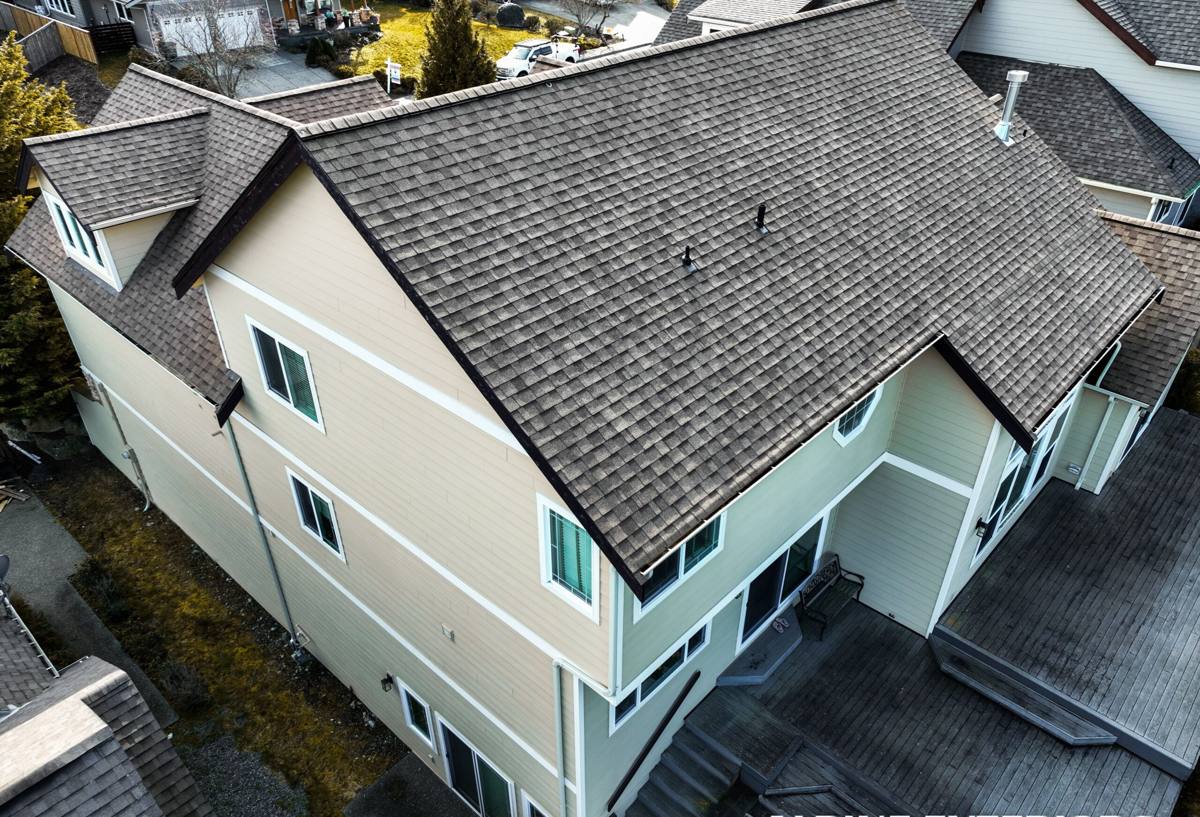
Mountain Lake sits back in the trees on Orcas Island, and that setting is exactly what makes decks here behave differently than decks out on open, sun-exposed lots elsewhere in San Juan County. The tree canopy that makes these properties beautiful also keeps decks shaded most of the day, which means slower drying, more standing moisture, and a head start for moss and algae. Add in the region's driving rain and the salt-laden marine air that moves across the whole island, and you've got a set of conditions that will find every weak point in an aging deck — usually faster than homeowners expect.
We've replaced enough decks around this part of the island to know the failure patterns aren't random. They show up in the same places, for the same reasons, on nearly every job. This page walks through what that means for a deck replacement done right, what our process looks like, and why local experience with this specific microclimate matters more than it does for most exterior work.
What This Climate Actually Does to a Deck
Shade and a Long Moss Season
A deck in full sun sheds moisture in a few hours. A deck under lakeside tree cover can stay damp for days after a storm, especially through fall and winter when the sun angle is low and the canopy overhead is doing double duty as a rain trap. That extended dampness is what feeds moss and algae growth on decking surfaces, and it's also what accelerates rot in end grain, fastener holes, and anywhere two boards sit tight against each other without a way to dry.
Driving Rain and Salt Air
San Juan County gets weather that comes in sideways as often as it comes straight down. Even set back from the water, Mountain Lake properties sit within the same marine air pattern that moves salt and moisture across the whole island. It's a smaller factor here than it would be on a waterfront lot, but it still shows up as accelerated corrosion on cheaper fasteners and hardware, and it's one more reason we don't cut corners on the metal that holds a deck together.
Where This Shows Up First
In practice, the damage concentrates in a handful of spots: the ledger board where the deck attaches to the house, the tops of support posts, joist hangers, and any decking boards installed without a drainage gap. These are the areas we inspect first on every replacement, because they tell us whether we're dealing with a straightforward decking swap or a deck that needs its structure rebuilt.
Signs a Mountain Lake Deck Needs Replacing, Not Just Repair
Not every tired-looking deck needs a full tear-off. But there's a point where patching individual boards stops making sense — either because the structure underneath is compromised, or because the repair cost starts approaching the cost of doing it right. Here's what tells us it's time for a full replacement rather than a repair:
- Soft, spongy, or visibly discolored decking boards, especially where they meet the house
- Rot or dark staining at the ledger board or where posts meet the ground
- Rusted, corroded, or pulling-away joist hangers and structural fasteners
- Noticeable bounce, sag, or movement when walking across the deck
- Persistent moss or slick green growth that comes right back after cleaning
- Railings or stair stringers that feel loose or have visible cracking
- Gaps between boards that have closed up (cupping) or widened unevenly over time
If you're seeing two or more of these, especially anything involving the ledger or the framing underneath, we'd rather tell you honestly that repair is a short-term fix than sell you one.
What a Correct Replacement Actually Involves
The Structure Comes First
The decking boards are the part everyone notices, but the framing underneath is what determines whether the new deck lasts. That means proper ledger flashing where the deck meets the house — a detail that's cheap to get right and expensive to fix later once water has gotten behind it — along with sound joists, correctly rated hangers, and posts and footings that meet current code depth and bearing requirements for this area.
Hardware That Matches the Climate
Given the moisture and salt-air exposure common across the island, we use stainless steel or code-rated, corrosion-resistant fasteners and connectors throughout, not just at the surface. Modern treated lumber is also more corrosive to lower-grade galvanized hardware than older treatment chemicals were, so using the wrong fastener is a mistake that shows up as rust streaks and failing connections within a few seasons, not decades.
Decking Material
This is where a lot of the long-term maintenance burden gets decided. There's no single right answer for every lot — it depends on how much shade the deck gets, how much upkeep you want to do, and your budget.
| Material | Moisture & Moss Behavior | Maintenance | Relative Cost |
|---|---|---|---|
| Cedar | Naturally rot-resistant but will gray and can host moss in heavy shade if not refinished | Periodic cleaning, staining, or sealing | $$ |
| Pressure-Treated Fir/Hem-Fir | Good rot resistance from treatment, but still holds moisture in shaded, low-airflow spots | Regular cleaning; staining recommended | $ |
| Composite/PVC Decking | Doesn't rot or absorb water, but algae and mildew can still grow on the surface film in constant shade | Occasional washing; no staining or sealing | $$$ |
We're upfront that composite isn't a magic fix for a shaded, moss-prone lot — surface algae can grow on any material if a deck never sees direct sun. What composite does solve is structural rot in the boards themselves, which matters most on decks with limited airflow. For a lot with heavier canopy, we'll often recommend it for that reason alone, not because wood is a bad product.
Drainage and Airflow Details
Because Mountain Lake properties don't get the quick drying that open, sun-exposed lots do, we pay extra attention to the details that help a deck shed water faster: proper board spacing, joist layout that avoids trapping debris, and keeping the area underneath the deck clear enough for air to move. None of this is glamorous, but it's the difference between a deck that dries out between storms and one that stays damp all winter.
Our Process for a Mountain Lake Deck Replacement
- On-site assessment. We look at the decking, framing, ledger connection, and footings before quoting anything, since the condition underneath the old boards often changes the scope.
- Written estimate. We separate what's cosmetic from what's structural, so you know exactly why the price is what it is.
- Permitting. If the project requires a permit through San Juan County, we handle the filing and inspection scheduling.
- Demo and disposal. Old decking and framing are removed and hauled off-island; we plan this around ferry logistics rather than leaving debris sitting on-site longer than necessary.
- Structural repair or rebuild. Ledger flashing, joists, hangers, and footings are corrected or replaced to current standards before any new decking goes down.
- Decking, railings, and stairs. Installed to code, with attention to drainage gaps and airflow given the site's shade and moisture exposure.
- Final walkthrough. We go over the finished deck together, including basic maintenance expectations for the material you chose.
Permits and Site Access on Orcas Island
Deck replacement work that involves structural changes — new footings, a rebuilt ledger connection, or a deck above a certain height — generally requires a permit through San Juan County. Requirements can vary based on the deck's size, height, and attachment to the house, so we check the specifics for your property rather than assume, and we handle the paperwork as part of the job.
Site access is its own factor here. Some Mountain Lake-area properties sit on gravel roads, have limited turnaround space for equipment, or require materials to be staged carefully around trees and slopes. None of that is a problem, but it does need to be planned for ahead of time rather than discovered on demo day — which is one more reason a walk-through before the estimate matters.
Why Local Experience With This Area Matters
A crew that already works around Mountain Lake isn't guessing at how a shaded, moisture-heavy lot behaves — they've already seen where the ledger tends to fail, which materials hold up under this canopy, and what permitting and access look like for these properties. That translates into a more accurate quote up front and fewer surprises once the old decking comes off. It also means we're not the crew you never hear from again after the invoice — we're working in this area regularly, and our name is attached to what we build here.
Keeping a New Deck Ahead of Moss and Moisture
Whatever material you choose, a deck in this setting benefits from a couple of basic habits: sweeping off fallen needles and leaf litter before they trap moisture against the boards, rinsing off surface algae before it gets a foothold, and keeping an eye on the ledger flashing and any spots where two boards meet tightly. None of this is heavy maintenance — it's the difference between a deck that looks the way it did on day one and one that starts graying and greening within a season.
If your deck is showing any of the wear signs above, or you just want an honest read on whether repair or replacement makes more sense for your property, we're happy to take a look. The estimate is free, there's no pressure attached to it, and you'll get a straight answer either way — just fill out the form below.