 Orcas Island
 Building a Deck That Actually Holds Up on West Beach
West Beach sits right up against the water on Orcas Island's northwest side, and that location is exactly what makes deck-building here different from a typical inland project. A deck built to a generic spec sheet might look fine for a year or two, but the combination of salt-laden air, driving rain off the strait, and the long gray moss season that San Juan County gets every fall through spring will find every weak point in the build. We've worked on enough decks in this stretch of the island to know which details matter and which ones are just marketing.
This page is about one thing: custom deck construction for homes in and around West Beach. Not a general overview of decks everywhere — the specific choices that make sense for this particular stretch of coastline.
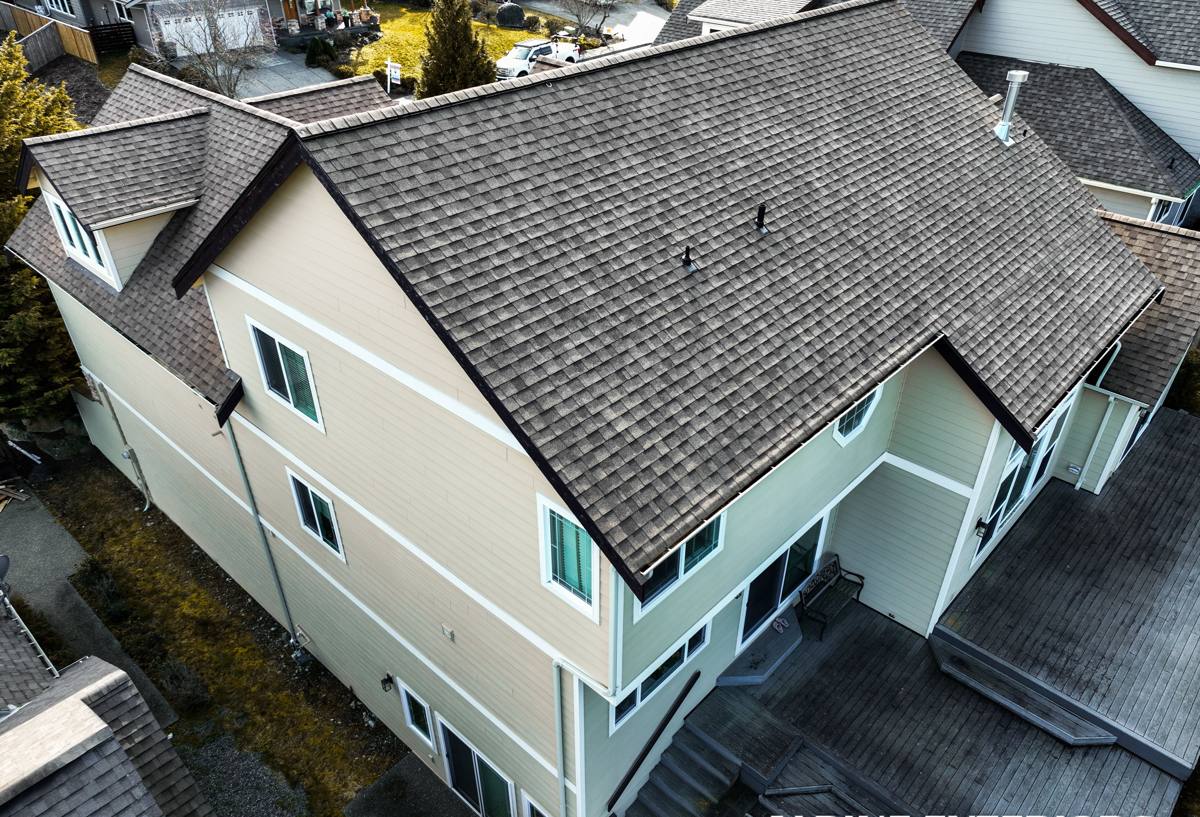
What West Beach Homes Are Actually Up Against
Three environmental factors drive almost every decision we make on a West Beach deck:
Salt Air
Proximity to salt water accelerates corrosion on any exposed metal — fasteners, brackets, railing hardware, even some hinge and gate components. Standard interior-grade or even some "exterior rated" hardware will streak, pit, or fail years ahead of schedule this close to the water.
Driving Rain
Orcas Island gets weather that comes in sideways off the water, not just straight down. That matters for decking, because wind-driven rain gets under railings, into ledger connections, and behind fascia boards in ways that vertical rain doesn't. Flashing and drainage details that would be optional inland are not optional here.
Moss and Damp Shade
Many West Beach lots have tree cover or north-facing exposure that keeps decking damp for extended stretches, especially October through April. Moss and algae don't just look bad — they hold moisture against the wood or composite surface and make boards slick and dangerous underfoot if not addressed in the design and the maintenance plan.
Choosing the Right Decking Material for This Site
There's no single "best" decking material — there's the material that fits your budget, your maintenance appetite, and how close your lot sits to the water. Here's how the common options actually compare for a West Beach install:
| Material | Salt Air Performance | Maintenance | Typical Lifespan | Rough Cost Factor |
|---|---|---|---|---|
| Pressure-treated fir/pine | Fair — needs sealing to resist salt-driven checking | Annual cleaning + re-sealing every 2-3 years | 15-20 years | Lowest |
| Cedar | Good natural rot resistance, but grays and can silver fast in salt air | Periodic oiling if you want to keep the color | 20-25 years | Moderate |
| Composite (Trex, TimberTech, etc.) | Very good — doesn't absorb salt or rot | Periodic washing to keep moss/algae off; no sealing | 25-30+ years | Higher upfront |
| Tropical hardwood (ipe, cumaru) | Excellent density and rot resistance | Oiling if color retention matters; otherwise low | 30+ years | Highest |
Our default recommendation for most West Beach clients is composite or a dense hardwood, simply because the maintenance burden of a wood deck goes up noticeably in a salt-and-shade environment. That said, plenty of homeowners are happy with a well-sealed cedar or fir deck as long as they understand the upkeep schedule going in — we'll lay out the honest trade-offs rather than steer you toward whatever's easiest for us to install.
Substructure and Fasteners: Where Most Deck Failures Start
The decking surface is what you see, but the framing underneath is what determines whether the deck is safe and long-lived. This is the part of the job that's invisible once it's done — and the part that's most often shortcut on lower-bid work.
- Joists and beams: We use lumber rated for ground contact where it's within a few inches of grade, and we don't rely on treated lumber alone near the water — a protective tape or barrier over joist tops keeps water from wicking into fastener holes over time.
- Fasteners: Standard hot-dip galvanized fasteners can corrode faster than the wood around them in a salt-air environment. We spec stainless steel or coated fasteners rated for coastal/marine exposure on structural connections and visible hardware.
- Post bases and brackets: Metal-to-concrete connections are a common rust point. We keep post bases elevated off standing water and use hardware rated for the exposure level, not just whatever's cheapest at the yard.
- Ledger attachment: Where a deck attaches to the house, proper flashing between the ledger and the wall sheathing is non-negotiable — this is the single most common source of hidden rot we find when we're asked to repair or rebuild an older deck.
Drainage and Moisture Management
A deck built without a real drainage plan will trap water somewhere, and on West Beach that trapped water doesn't just sit — it carries salt residue with it, which accelerates whatever corrosion or rot is already starting. A few details we treat as standard rather than upgrades:
- Positive slope away from the house on any solid-surface or covered deck area, so water sheds instead of pooling.
- Gapped decking boards sized to let the surface dry between rain events instead of holding moisture against the joists.
- Under-deck drainage systems on elevated decks where the space below is used as covered storage or a patio, so runoff doesn't just fall through onto whatever's underneath.
- Ventilation gaps at the rim joist and skirting so the substructure can breathe instead of staying damp through the winter.
Railings, Fascia, and Finish Details
Railings and fascia take the brunt of driving rain because they're vertical and exposed on all sides. We pay particular attention to a few finish-level choices that matter more here than they would on a sheltered inland deck:
Railing Hardware
Cable rail systems and glass panel railings look great on a water-view deck, but their hardware needs to be genuinely rated for coastal exposure — not just "exterior grade." We check manufacturer spec sheets for salt-air suitability before recommending a system, since not every railing product on the market is built for this kind of exposure.
Fascia and Skirting
Fascia boards catch a lot of splash-back and wind-driven rain along their top edge. We back-prime or fully seal all cut edges before installation, since a factory-primed face with an exposed raw cut edge is one of the fastest ways a fascia board starts absorbing water and failing early.
Fastener Visibility
On finish surfaces, we use color-matched, corrosion-resistant fasteners or hidden fastener systems so you're not looking at rust streaks bleeding down your decking within a couple of seasons.
Our Process for a West Beach Deck Project
- Site visit and assessment: We look at sun exposure, tree cover, wind exposure, existing drainage, and how close the structure sits to the water, since all of that changes the material and detailing recommendations.
- Design and material selection: We walk through the material comparison above with you in the context of your specific lot, budget, and how much upkeep you actually want to do.
- Permitting: Deck projects on Orcas Island typically need a permit through San Juan County, and shoreline proximity can trigger additional review. We handle this step so it's not a surprise mid-project.
- Framing and structural work: Ledger flashing, joist protection, marine-rated fasteners, and proper post/footing work happen before a single decking board goes down.
- Decking, railing, and finish installation: Surface material, railing system, fascia, and any built-ins (benches, planters, stairs) go in with the fastener and sealing details covered above.
- Final walkthrough: We go over the maintenance schedule specific to whatever material you chose, so you know what to expect in year one versus year five.
Maintenance: What Actually Keeps a West Beach Deck Looking Good
Every deck material needs some maintenance in this climate — the question is how much and how often. Here's a practical baseline checklist we give West Beach clients regardless of material:
- Rinse or sweep salt residue and organic debris off the surface a few times a year, more often if the deck is close to the waterline.
- Check and clear gaps between boards each fall before the wet season settles in, so debris isn't holding moisture against the wood or composite.
- Inspect railing hardware and fasteners annually for early rust streaking or looseness — catching it early is a five-minute fix instead of a hardware replacement.
- Address moss with a gentle wash rather than a pressure washer on close range, which can drive water into board seams or damage composite surface texture.
- Re-seal or re-oil wood decking on the schedule appropriate to the species — don't wait until it's visibly gray and dry to start.
- Confirm gutters and downspouts near the deck are directing roof runoff away from the structure, not onto it.
Why a Crew That Already Works West Beach Matters
Deck-building isn't exotic work, but building one that holds up to this specific combination of salt air, wind-driven rain, and a long damp season is a different exercise than framing a deck in a drier, inland climate. A crew that's already done this work on West Beach knows which hardware specs actually hold up here, which material reps oversell their coastal performance, and which framing shortcuts show up as rot complaints three years later. That's not something you can fully verify from a spec sheet — it comes from having built and later serviced decks in this exact environment.
We're an Orcas Island crew, and San Juan County's coastal conditions are what we build for every day, not an occasional exception to our normal process.
Get a Straight Answer on Your West Beach Deck
If you're planning a new deck or need to know whether an existing one is worth repairing versus rebuilding, we're happy to take a look and give you an honest read — no pressure, no upsell. Use the form below to request a free estimate.