 Orcas Island
 Cascade Lake's Roofs Work Harder Than Most
Homes around Cascade Lake sit in one of the more demanding microclimates on Orcas Island. You've got the salt-laden air drifting up from the surrounding San Juan County shoreline, driving rain off the water during fall and winter storms, and a heavy tree canopy that keeps roofs shaded, damp, and prone to moss for a good chunk of the year. Any one of those factors alone is manageable. Together, they shorten the useful life of a poorly installed or poorly ventilated roof faster than most homeowners expect.
A new roof installation here isn't just about swapping old shingles for new ones. It's about building an assembly — decking, underlayment, flashing, ventilation, and the finish material — that's matched to this specific combination of moisture, shade, and salt exposure. We install roofs across Orcas Island, but Cascade Lake properties get extra attention on moisture management and material selection because the conditions demand it.
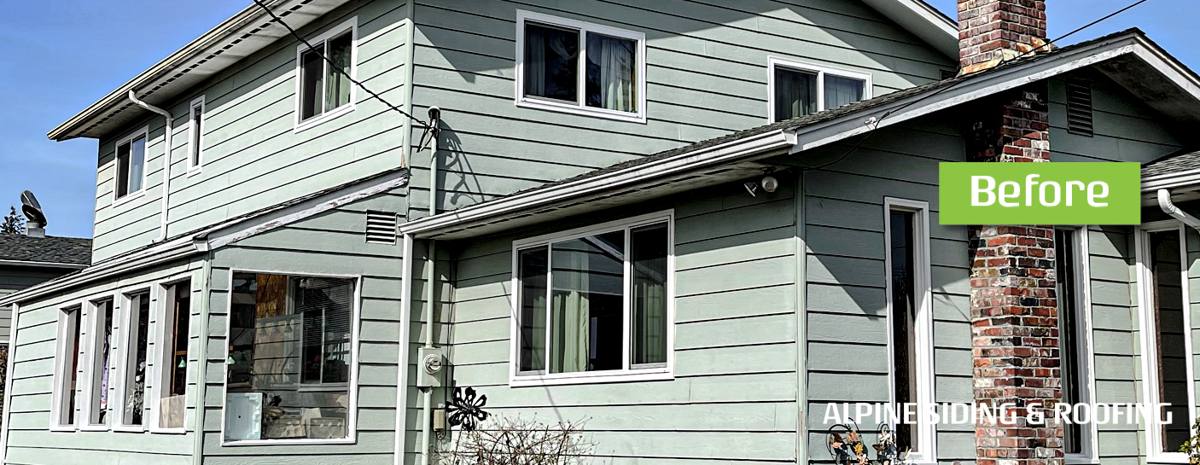
What Actually Goes Into a Correct New Roof Installation
Tear-Off and Deck Inspection
We don't install new roofing over old. A full tear-off lets us see the roof deck itself — plywood or plank sheathing that's been hidden under the old material for years. On lake-adjacent homes, this is where we most often find soft spots or delamination from long-term moisture intrusion around old flashing details or under moss-covered valleys. Any damaged decking gets replaced before anything new goes down. Skipping this step is the single most common shortcut that leads to premature roof failure.
Underlayment and Ice-and-Water Protection
Given how much driving rain this area sees, we use a synthetic underlayment rated for high wind-driven moisture, with self-adhering ice-and-water shield at eaves, valleys, and any roof penetration — chimneys, skylights, vent stacks. These are the spots where wind-blown rain gets pushed backward under standard shingle laps, and they're the most common source of hidden leaks on older Orcas Island roofs.
Flashing Details
Flashing is where most roof leaks actually start, not in the field of the roof itself. We custom-form step flashing, counter-flashing, and valley metal on site rather than relying on generic stock pieces, and we pay particular attention to any wall-to-roof transitions, which are common on the multi-level home designs found around the lake.
Ventilation
A roof that can't breathe traps moisture in the attic, which speeds up moss growth on the exterior and rot on the interior side of the decking. We calculate intake and exhaust ventilation based on your attic's actual square footage and existing vent locations rather than assuming the old setup was adequate — on shaded, moisture-heavy lots like many around Cascade Lake, it often wasn't.
Choosing a Roofing Material for a Lake-and-Forest Microclimate
There's no single "best" roofing material — there's a best fit for your home's exposure, budget, and how much upkeep you're willing to do. Here's how the common options stack up specifically for the moss, moisture, and salt-air conditions found around Cascade Lake:
| Material | Moss Resistance | Salt-Air Durability | Maintenance |
|---|---|---|---|
| Architectural asphalt shingle | Moderate — algae-resistant options help | Good with proper flashing | Periodic moss removal in shaded areas |
| Standing seam metal | High — sheds moss growth medium | Very good with coated/coastal-rated panels | Low; occasional gutter and fastener check |
| Cedar shake | Low without regular treatment | Fair; needs ongoing care near salt air | High — regular treatment and inspection |
| Synthetic composite shingle | Good | Good | Low to moderate |
For heavily shaded, tree-covered lots close to the lake, we most often steer homeowners toward algae-resistant architectural shingles or standing seam metal, simply because both hold up better against sustained moisture and moss without constant intervention. Cedar shake can look great on the right property, but we're upfront that it asks for more ongoing maintenance in a damp, shaded setting than most homeowners want to take on — that's a maintenance trade-off, not a knock on the material itself.
Moisture and Moss: The Two Things That Shorten a Roof's Life Here
Moss doesn't just look unsightly — it holds moisture directly against the roofing material, works its way under shingle tabs, and can lift edges enough to let water in underneath. On shaded Cascade Lake lots, moss growth often starts on the north-facing slopes and shaded valleys first, which is exactly where we focus preventive detailing during installation: wider flake gaps, algae-resistant shingle coatings where appropriate, and copper or zinc strips at the ridge on select installations to slow future moss growth.
Combined with correct attic ventilation, these details don't eliminate moss entirely — nothing does in a forested, lake-adjacent setting — but they meaningfully slow it down and keep it from becoming a structural issue rather than a cosmetic one.
Our Installation Process, Start to Finish
- On-site assessment — we walk the roof, check the attic, and evaluate sun exposure, shading, and existing moisture damage.
- Written estimate — material options, scope of work, and a clear cost breakdown, no pressure to decide on the spot.
- Material ordering and scheduling — we build in lead time for barge and ferry delivery to Orcas Island so your project isn't delayed waiting on materials.
- Tear-off and deck inspection — old roofing removed, decking checked and repaired as needed.
- Underlayment, flashing, and ventilation installed — the parts that determine whether the roof actually performs long-term.
- Finish material installation — shingles, metal panels, or your chosen material, installed to manufacturer specification.
- Final walkthrough — we review the completed roof with you and confirm everything meets the agreed scope before we consider the job done.
Why Local Experience Matters for This Job
Roofing on Orcas Island comes with logistics that mainland contractors don't deal with. Materials have to be ordered with enough lead time to make the ferry or barge schedule. Permitting runs through San Juan County, and the timeline for that can vary depending on the time of year. A crew that already works this island knows how to plan a Cascade Lake project around those realities instead of discovering them mid-job, which is a common source of delay when an off-island contractor takes on island work without adjusting their usual schedule.
There's also the matter of simply knowing the area. A contractor who's worked multiple homes around the lake has a feel for how shade patterns, tree cover, and prevailing storm direction affect a given property, which shapes decisions on ventilation placement and flashing details before a single shingle goes down.
Signs Your Cascade Lake Home May Need a New Roof
- Shingles that are cracked, curling at the edges, or missing granules in patches
- Visible moss or dark streaking concentrated on shaded, north-facing slopes
- Soft or spongy spots when walking the roof, or sagging visible from the ground
- Daylight visible through the roof deck from inside the attic
- Water stains on interior ceilings, especially after a heavy rain event
- Flashing that's rusted, lifted, or separating from chimneys, skylights, or walls
- A roof that's approaching or past the expected lifespan of its material
Any one of these on its own doesn't necessarily mean a full replacement, but it's worth a professional look rather than waiting for a leak to show up inside the house.
What Affects the Cost of a New Roof Installation
| Factor | Why It Matters |
|---|---|
| Roof size and pitch | More surface area and steeper pitches take more material and labor time |
| Material choice | Metal and premium composite shingles cost more upfront than standard asphalt |
| Deck condition | Rotted or delaminated decking found during tear-off adds repair cost |
| Access and site conditions | Steep lots, tree cover, and staging space near the lake affect labor time |
| Ventilation upgrades | Adding intake/exhaust vents to fix an undersized system adds material and labor |
| Flashing complexity | Multiple valleys, chimneys, or wall transitions increase custom flashing work |
We don't quote a roof over the phone or from a satellite photo. Every estimate is based on an actual on-site look at your roof and attic, so the number you get reflects your home, not a generic average.
Caring for Your Roof After Installation
A well-installed roof still benefits from basic upkeep, especially on a shaded, lake-adjacent lot. Keep gutters clear of needles and leaf debris so water isn't backing up under the roof edge. Have moss growth addressed before it spreads rather than after it's established. And after major windstorms, a quick visual check for lifted shingles or displaced flashing can catch a small issue before it becomes a bigger repair.
If you're seeing signs of aging on your current roof, or you're planning ahead for a replacement, we're happy to take a look and walk you through your options. Reach out for a free, no-pressure estimate using the form below.