 Orcas Island
 Why San Juan Island's Marine Climate Wears Out Windows Faster
Homes on San Juan Island sit right in the path of the Salish Sea's weather — salt-laden air, wind-driven rain off the water, and long stretches of damp, overcast conditions that don't let building materials dry out the way they might further inland. Windows take the brunt of it. Salt air is corrosive to hardware, weep systems, and unprotected metal components over time. Driving rain finds any weak point in flashing or sealant and pushes water sideways and upward, not just straight down. And San Juan County's extended moss and algae season — the same damp stretch that grows moss on roofs and north-facing siding — keeps wood trim and sills wet longer than in drier climates, which accelerates rot at the most vulnerable points: sills, corners, and anywhere caulk has failed.
None of this means windows on San Juan Island need to be replaced constantly. It means the install has to account for these conditions from the start — the flashing details, the sealant choice, and the frame material all matter more here than they would in a milder, drier region.
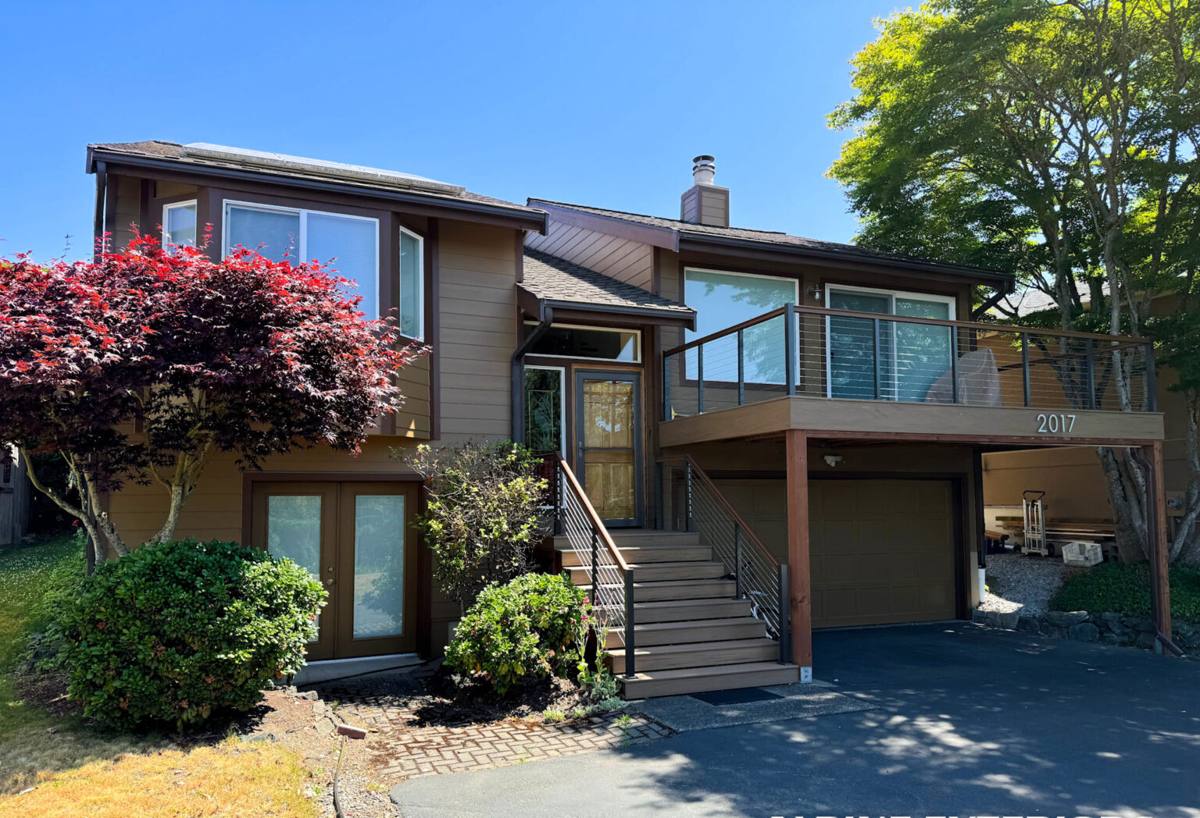
Signs Your Windows Need Replacing, Not Just Repair
Not every problem window needs full replacement. But on an island where a service call means scheduling around ferries and weather windows, it's worth knowing when repair is a temporary fix and when replacement is the honest answer.
- Fogging or haze between panes of a double-pane window (the seal has failed and can't be repaired — only the glass unit or window can)
- Soft or spongy wood at the sill or lower corners of the frame
- Windows that won't stay open, won't latch, or are painted shut from repeated swelling and shrinking
- Noticeable drafts or cold spots near the frame in winter
- Visible mold or persistent black staining at interior corners
- Peeling or bubbling paint on wood frames that keeps coming back after repainting
- Single-pane glass still in main living spaces — a real energy and comfort drain in a coastal climate with cool, damp winters
What a Correct Window Replacement Job Actually Involves
Removing the Old Window Without Hidden Damage
The old window comes out carefully so we can see what's actually happening behind it — this is often where problems that weren't visible from inside or outside show up, like rot in the framing or a flashing detail that was never right to begin with. On a house exposed to driving rain, this step matters more than people expect, because a new window installed over a hidden problem just hides it again for a few more years.
Flashing and Sealing for Wind-Driven Rain
This is the step that separates a window replacement that lasts from one that leaks in three years. Proper flashing directs water down and out, layered so each piece sheds onto the one below it — never relying on caulk alone to do a flashing detail's job. Given how often wind pushes rain sideways here, we pay particular attention to the sill pan and the head flashing above the window, since those are the two spots most likely to let water in during a real coastal storm.
Fitting, Shimming, and Insulating
A window that's shimmed level and square operates correctly for its lifespan — one that isn't will bind, leak, or develop stress cracks in the frame. The gap between the window and the rough opening gets insulated (not just caulked at the trim) to control both heat loss and condensation, which is a bigger issue on the water than most homeowners realize.
Choosing Materials That Hold Up to Salt Air
Frame material is one of the biggest decisions in a window replacement, and it matters more here than in a drier, inland climate. Here's how the common options generally hold up under San Juan Island conditions:
| Material | Salt Air / Corrosion Resistance | Maintenance | Notes for This Climate |
|---|---|---|---|
| Vinyl | Good — won't corrode or rust | Low | Reliable, budget-friendly choice; quality varies a lot by manufacturer |
| Fiberglass | Very good | Low | Handles temperature swings and moisture well; higher upfront cost |
| Aluminum-clad wood | Good on the exterior face | Moderate | Attractive option, but any gap in the cladding lets moisture reach the wood core |
| Solid wood | Requires protection | High | Classic look, but demands regular repainting/sealing to resist rot in a damp climate |
| Bare aluminum | Poor without coating | Moderate | Prone to pitting and corrosion in salt air unless properly finished |
We don't push one material on every house. A lot of it comes down to the home's style, budget, and how exposed that particular wall is to wind and rain off the water. What we do steer people away from is bare, unprotected metal in a direct salt-air exposure — it's not that it fails outright, it's that the maintenance burden to keep it looking and working right is more than most homeowners want to sign up for.
Glass Packages Worth Considering in a Marine, Overcast Climate
Glass matters as much as frame material. A few things worth understanding before you choose:
- Low-E coatings help control heat loss in winter without noticeably darkening the room — a real benefit given how many overcast days San Juan County gets
- Double-pane vs. triple-pane — double-pane with a good Low-E coating and gas fill is often the practical, cost-effective choice; triple-pane adds performance but also weight and cost, and makes more sense on north-facing or particularly exposed walls
- Condensation resistance matters more here than in a drier climate — a well-sealed, properly insulated unit resists interior condensation buildup during cold, damp stretches
Our Process for San Juan Island Jobs
Scheduling Around Ferries and Weather
Working on an island means the schedule isn't just about our crew's availability — it's about ferry timing, tide-dependent access on some properties, and weather windows for any exterior work that needs a dry day. We build that into the estimate up front so there are no surprises about timeline once the job starts.
Materials, Ordered Right the First Time
Because getting materials to the island takes planning, we measure carefully and confirm the order before anything ships. A wrong size or missed detail doesn't just mean a delay — on an island job, it can mean waiting for the next available crossing.
Installation, Sealing, and Walkthrough
Once we start, most window replacements move quickly — often completed room by room in a single day for a typical house, longer for larger projects or full-house replacements. We walk you through each finished window, confirm it opens, closes, and locks correctly, and clean up the work area before we leave.
What Drives the Cost of a Window Replacement
| Factor | Why It Matters |
|---|---|
| Frame material | Vinyl is typically the most affordable; fiberglass and wood cost more upfront |
| Glass package | Low-E coatings, gas fill, and triple-pane options add cost but improve comfort and durability |
| Number and size of windows | Larger openings and specialty shapes cost more to fabricate and install |
| Condition of the existing opening | Rot or framing repair discovered during removal adds labor and material |
| Access and logistics | Island delivery timing and site access can affect scheduling and cost on some properties |
We give straightforward, itemized estimates so you know what you're paying for and why — not a vague lump sum.
Why a Crew That Already Works San Juan Island Matters
A mainland contractor unfamiliar with island logistics can turn a straightforward window job into a scheduling headache — missed ferry slots, materials that show up on the wrong day, or a callback for a warranty issue that suddenly requires re-mobilizing an entire crew across the water. We work San Juan County regularly, so ferry timing and material lead times are already built into how we plan and price a job. We've also seen firsthand how salt air, driving rain, and the long moss season actually affect windows here over time, which shapes the flashing details and material recommendations we make — not guesswork borrowed from a drier climate.
Keeping New Windows Performing After Installation
A correct install is most of the job, but a little upkeep protects the investment:
- Rinse salt residue off frames and glass periodically, especially on walls facing open water
- Check and clear weep holes so water can drain out rather than pool in the frame
- Keep an eye on exterior caulk lines each fall and touch up before the wet season sets in
- Trim back vegetation and clear moss buildup near window trim to keep the area drying out between rains
- Operate locking hardware periodically even on windows you don't open often, to keep it from seizing
If your windows are drafty, fogged, hard to operate, or just original to a much older house, it's worth having a local crew take a look. We offer free, no-pressure estimates for San Juan Island homeowners — use the form below to get started.