 Orcas Island
 West Beach's Exposure Is Different From a Typical Mainland Repair Job
West Beach sits on the exposed western side of Orcas Island, which means homes here take the brunt of weather moving in off the water. That combination of salt-laden air, wind-driven rain, and long stretches of shade and dampness under the island's tree cover puts a different kind of stress on exterior siding than you'd see on a typical inland San Juan County property. Salt air is corrosive to fasteners and finishes over time. Driving rain doesn't just wet a wall's surface — on west-facing exposures it gets pushed sideways and upward into laps, seams, and trim joints that were never designed to handle water moving in that direction. And Orcas Island's moss season isn't a few weeks in fall; it's a slow, months-long build-up of moisture-holding growth that can start well before winter and linger into late spring.
None of that means siding is doomed here. It means siding repair on West Beach has to account for conditions a generic repair crew from off-island may not think about — which is a big part of why so many repair calls we get are for problems that were patched once already and came back.
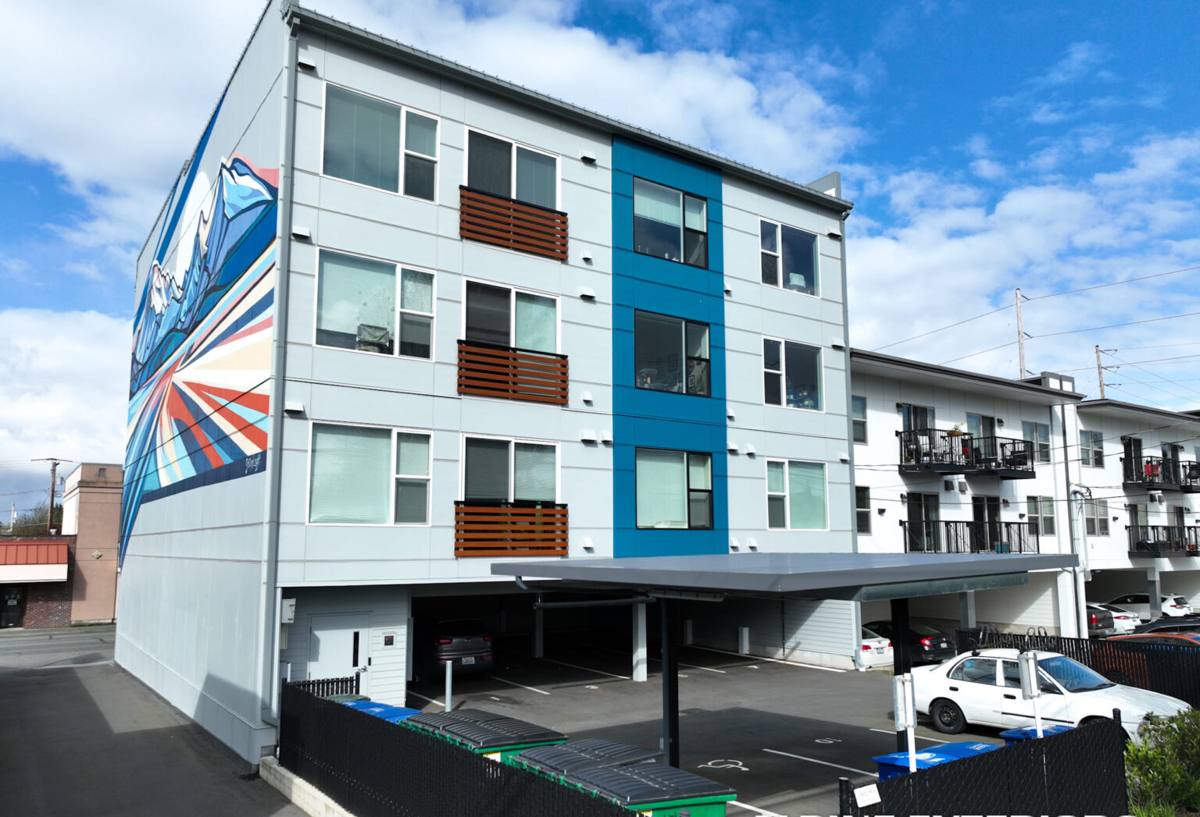
Signs a West Beach Home Needs Siding Repair
Most siding failure doesn't announce itself with a hole in the wall. It shows up as smaller warning signs that are easy to write off as cosmetic — until they aren't. Walk your exterior, especially on the west- and north-facing walls, and look for:
- Soft or spongy spots when you press on a panel, especially near the bottom courses
- Paint that's bubbling, peeling, or chalking unevenly across a wall
- Persistent moss, algae, or black streaking that comes back within weeks of cleaning
- Cracked, shrunken, or missing caulk at butt joints, corners, and trim
- Nail heads popping or staining rust streaks down the face of a panel
- Visible gaps or warping where siding meets window and door trim
- A musty smell or discoloration on interior walls that share an exterior wall with a problem area
Any one of these on its own might just need attention. Several together, especially clustered on one elevation, usually points to moisture that's been getting behind the siding for a while — which changes the scope of the repair from cosmetic to structural.
Why West-Facing and Shaded Walls Fail First
On most West Beach properties, the west-facing wall takes the most direct wind-driven rain, so it's where lap joints and trim seams get tested hardest and first. Meanwhile, north-facing walls and anything shaded by mature trees dry out slowly, if at all, between rain events — that's where moss and algae take hold and where wood rot behind the siding tends to progress quietest, because the surface can look fine while the substrate underneath stays wet for weeks at a time.
Repair or Replace: How We Actually Make the Call
Not every damaged section needs a full re-side, and we don't sell full replacements to homeowners who only need a repair. The decision comes down to a few honest factors we walk through on-site.
| Factor | Favors Repair | Favors Replacement |
|---|---|---|
| Extent of moisture intrusion | Isolated to one section or corner | Found behind multiple panels or elevations |
| Sheathing/framing condition | Dry or minor surface moisture only | Soft, rotted, or delaminated sheathing |
| Age and material of existing siding | Newer Hardie siding, isolated damage | Original material near end of service life |
| Color/panel matching | Match is achievable with ColorPlus stock | Discontinued color or heavily faded panels |
| Pattern of failures | First occurrence, clear cause identified | Repeat failures in the same area over time |
The honest answer for a lot of West Beach repair calls is that a targeted repair, done correctly with proper flashing and water management, solves the problem for good. Replacement only becomes the right call when the damage has already spread past a section or two, or when the underlying wall assembly has been compromised.
What a Correct Siding Repair Actually Involves
A repair that only addresses what's visible from the ground is a repair that comes back. Doing it right means treating the visible damage as a symptom and finding the cause before closing the wall back up.
1. Diagnose Before Cutting
We check moisture content behind the affected area, not just the surface condition, and trace the likely water path — often a failed caulk joint, a missing or damaged piece of flashing, or a trim detail that was never sealed correctly in the first place.
2. Remove Only What's Compromised
We pull back to sound material, not just the panel that's visibly damaged. If the water-resistive barrier or sheathing underneath is compromised, that gets addressed before any new siding goes back on — patching over a wet wall assembly just hides the problem for another season.
3. Correct the Water Management Detail
This is the step that separates a lasting repair from a cosmetic one. That usually means proper kick-out flashing at roof-to-wall intersections, correctly lapped house wrap, and drainage space behind the siding so any moisture that does get in has somewhere to go instead of sitting against the wall.
4. Match and Install the Replacement Panels
We replace with the same James Hardie profile and, where possible, factory-matched ColorPlus color, fastened and gapped to Hardie's published installation specifications — not just close enough to look right for a season.
5. Re-Seal With the Right Materials
Cheap or mismatched caulk is one of the most common causes of repeat failures we see. We use sealants rated for the exposure and movement at each joint, not a single all-purpose tube used everywhere.
Why We Only Repair and Install James Hardie Fiber Cement
We don't install LP SmartSide, vinyl, Cemplank, Allura, primed spruce, or cedar, and we won't patch a failing repair with whichever material happens to be on the truck. That's a deliberate standard, not a sales pitch.
Each of those alternatives has real strengths — vinyl is inexpensive and low-maintenance in mild climates, cedar has a look many homeowners love, engineered wood products install quickly. But on a west-facing, salt-exposed, moss-prone wall, the trade-offs matter more than they do in a drier, more sheltered location: wood-based products are more sensitive to sustained moisture exposure and need more diligent maintenance to stay ahead of it, vinyl can warp and doesn't take a factory finish the way fiber cement does, and matching or patching many of these products years later is harder because color and profile options shift or get discontinued.
James Hardie fiber cement is non-combustible, engineered specifically for wet climates through its HZ5 product line, and finished at the factory with ColorPlus technology, which holds color and resists the kind of chalking and fading that shows up fastest on shaded, damp walls. It also carries a strong transferable warranty when installed to spec — which is the other half of the equation, because even the best siding material fails early if it's installed with the wrong fastener pattern, gapping, or flashing detail. We standardized on Hardie because it's the product we're willing to put our name behind for the specific conditions West Beach and the rest of Orcas Island throw at a wall.
Our Repair Process, Start to Finish
- On-site inspection — we walk the full exterior, not just the area you called about, since related damage often shows up nearby
- Moisture and cause diagnosis — checking behind the siding, not just the visible surface
- Written scope and estimate — a clear explanation of what's being repaired and why, before any work starts
- Repair execution — removal of compromised material, correction of the underlying water management issue, and installation of matched Hardie panels
- Final seal and cleanup — proper caulking, paint touch-up where needed, and job-site cleanup
- Documentation — notes on what was found and repaired, useful for your records and for any warranty questions down the road
What Affects the Cost of a West Beach Siding Repair
Every repair is different, but a few factors consistently drive cost up or down. Small, isolated spot repairs with no hidden rot are the least expensive category; repairs that uncover damaged sheathing or span multiple wall sections cost more because of the additional demolition, drying time, and rebuild work involved.
| Cost Factor | Why It Matters |
|---|---|
| Scope (single panel vs. multi-panel/elevation) | More removal and rebuild work, more material |
| Hidden sheathing or framing damage | Requires drying, structural repair, and delay before re-siding |
| Access and site logistics | Island scheduling and material staging around ferry availability can affect timeline and cost |
| Color/panel matching | Discontinued or heavily weathered colors may need broader repainting for a seamless look |
| Height and accessibility of the wall | Second-story or steep-site work requires additional staging or lift access |
As a rough guide, an isolated spot repair with no hidden damage often runs in the low hundreds of dollars, while repairs that uncover rot behind the siding or involve several sections can run into the low thousands. We'll give you an honest number after inspection — not a phone-quote guess.
Why a Crew That Already Works West Beach Matters
Orcas Island isn't a place where you want a repair crew learning the logistics on your dime. Getting materials to San Juan County means planning around ferry schedules, and a crew that already routes through West Beach regularly knows how to stage that without your repair sitting half-finished for a week waiting on a panel. Just as important, a crew that's worked this specific stretch of coastline has already seen where the recurring problem spots are — which trim details fail first on west-facing walls, which shaded corners hold moss longest, and which older repairs tend to have been done with the wrong caulk or fastener. That local pattern recognition often shortens the diagnosis and prevents a repair from being scoped too narrowly.
Keeping Repaired Siding Ahead of Moss and Salt Damage
A correct repair buys you years, but West Beach's climate doesn't take a break, so a little seasonal attention goes a long way toward protecting the work.
- Rinse siding gently once or twice a year, focusing on shaded and north-facing walls where moss builds fastest
- Keep gutters clear so overflow isn't running down the siding face during heavy rain
- Trim back tree limbs and brush that keep a wall shaded and damp longer than it needs to be
- Inspect caulk joints annually, especially after a hard winter, and re-seal any that have cracked or pulled away
- Address small issues — a lifted piece of trim, a hairline gap — before the next wet season rather than after
If you're seeing any of the warning signs above on a West Beach home, or you just want an honest read on what condition your siding is in, we're happy to take a look. Reach out for a free, no-pressure estimate using the form below.