 Orcas Island
 Storm Damage Roof Repair Built for San Juan County Weather
A roof on Lopez Island doesn't fail the same way a roof in a dry inland town fails. Between the wind that comes off the water during a fall or winter blow, the salt air that eats at fasteners and flashing year-round, and the long stretch of wet, shaded months that keep moss growing on anything with a north-facing slope, San Juan County roofs are working harder than most. When a storm finally finds the weak point — a lifted shingle tab, a corroded flashing seam, a soft spot under a patch of moss that's been holding water for two winters — it doesn't take much wind to turn a small problem into an active leak.
Storm damage repair here isn't just "replace what blew off." It's understanding why that spot failed first, because on an island roof, the storm usually just finished off damage that salt air and moss had already started.
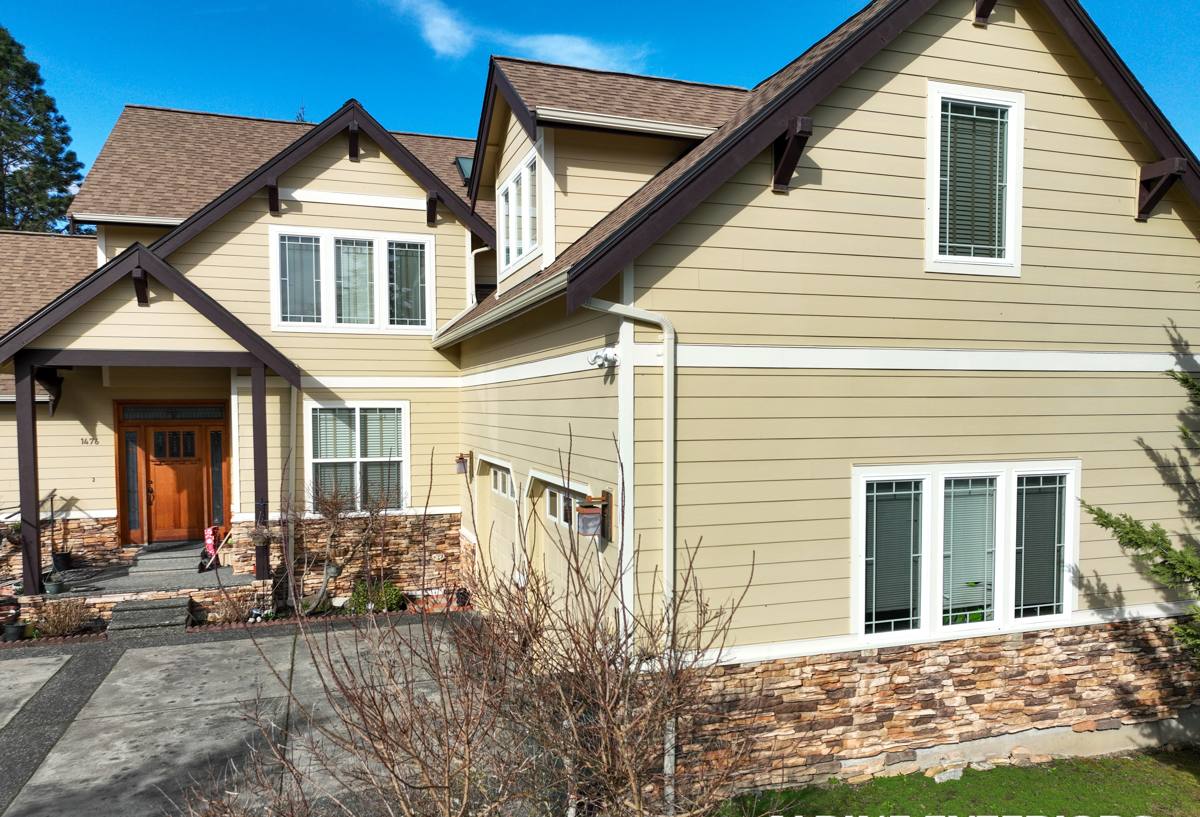
How Storms Actually Damage Lopez Island Roofs
Wind-Driven Rain and Uplift
Storms coming through the San Juans typically bring sustained wind with gusts strong enough to get under a shingle edge that's already curling or under-sealed. Once wind gets under a tab, it works it loose, and the next round of rain drives water sideways under the shingle line instead of running off the surface the way the roof was designed to shed it. This is why storm damage often shows up several courses below where the actual opening is — water travels down the underlayment before it finds a gap in the decking to drip through.
Falling Limbs and Debris
Fir and madrona are common on island lots, and both drop limbs in high wind — madrona especially, since it sheds branches even in calm weather as part of its normal growth cycle. A limb strike doesn't always punch a hole. More often it cracks shingles, tears flashing loose around a vent or chimney, or knocks granules off a section of roof, all of which are easy to miss from the ground but shorten that section's remaining life significantly.
Flashing Failures
Flashing around chimneys, skylights, and roof-to-wall transitions is the first thing to give out in salt-laden coastal air if it wasn't installed with corrosion-resistant materials and proper laps to begin with. A storm doesn't have to be severe to exploit flashing that's already thinned or pulled away from years of salt exposure — it just has to blow rain at the right angle.
Why Moss Season Makes Storm Damage Worse Here
San Juan County's long wet season, combined with heavy tree cover on many Lopez Island lots, keeps roof surfaces damp far longer than roofs in more open, sun-exposed areas. That moisture is exactly what moss needs to establish itself, and once it does, it doesn't just sit on the surface — it grows under shingle tabs and along ridge lines, lifting them slightly and holding water against the roofing material and underlayment. A roof in that condition is already compromised before a storm ever arrives. When wind and heavy rain hit a moss-affected section, the damage is almost always worse and spreads faster than it would on a clean, well-shedding roof.
This is one reason we always inspect for moss and moisture retention as part of any storm damage call, not just the obvious wind or impact damage. Fixing the visible storm damage without addressing the moss underneath means the same section is likely to fail again next season.
What a Correct Storm Damage Repair Actually Involves
Full Inspection, Not Just the Obvious Spot
We check the whole roof plane, not just where the homeowner saw a leak or missing shingles. Storm damage is rarely isolated to one spot — wind uplift and wind-driven rain tend to affect a wider area than what's visible from the ground or even from a ladder at one corner.
Attic and Decking Check
Where there's any sign of water intrusion, we check the attic side for staining, wet insulation, or soft decking. A shingle repair on the surface means nothing if the decking underneath has already started to soften from a slow leak that predates the storm.
Dry-In First, When Needed
If a roof has an active opening, our first priority is getting it weathertight — tarped and secured — before scoping the full repair. On an island, getting materials over on the next available run matters, so we don't leave a roof exposed longer than necessary while waiting on a full repair plan.
Matching Repair to Cause
A proper repair replaces damaged shingles and underlayment, restores flashing with corrosion-resistant material and correct laps, and addresses any decking that's been compromised — not just the top layer that's visible. If moss contributed to the failure, we treat and address that too, so the repair isn't undone by the same conditions that caused the original problem.
Documentation for Insurance
Most storm damage claims move faster with clear photos and a written scope of the damage and repair. We document what we find before and after so homeowners have what they need if they're filing a claim.
How Roofing Materials Hold Up to Storm, Salt, and Moss
Not every roofing material responds to San Juan County conditions the same way. This matters both when repairing storm damage and when deciding whether a section is worth patching versus replacing.
| Material | Wind/Storm Resistance | Salt Air Behavior | Moss Susceptibility |
|---|---|---|---|
| Asphalt Shingle | Good when properly sealed and fastened; vulnerable if tabs are already curled | Fasteners and flashing need corrosion-resistant hardware | Moderate to high in shaded areas without maintenance |
| Metal Roofing | Very good; fewer lift points if installed correctly | Requires coated or marine-grade fasteners and flashing to avoid corrosion | Low; moss struggles to hold on a smooth metal surface |
| Cedar Shake | Fair; individual shakes can crack or split under impact | Weathers naturally but needs attention to ventilation | High; shakes hold moisture and are a common moss host |
We don't push one material as a blanket fix for storm damage. The right call depends on the roof's age, how much of it is already affected by moss or corrosion, and what the homeowner wants to maintain long-term. A spot repair on a roof with years of life left is often the honest answer; a section with widespread moss damage and multiple storm-related failures may be past the point where patching makes financial sense.
Our Storm Damage Repair Process on Lopez Island
- Contact and initial assessment — we get details on the damage and, if there's active water intrusion, prioritize scheduling a dry-in visit.
- On-site inspection — full roof, attic, and decking check, with photo documentation of everything we find.
- Written scope and estimate — a clear breakdown of what needs repair, what caused it, and what it will cost, with no pressure to upsize the job beyond what the roof actually needs.
- Insurance coordination — if the homeowner is filing a claim, we provide documentation that matches what adjusters typically need.
- Repair — materials and crew scheduled around ferry logistics so the job isn't delayed by a missed run.
- Final check and cleanup — we walk the finished repair, clear debris, and note anything else on the roof worth keeping an eye on.
Why It Matters That We Already Work Lopez Island
Getting a roofing crew to an island job isn't as simple as it is on the mainland. Every trip involves ferry scheduling, and a contractor who doesn't already work San Juan County regularly is often working around a lot they don't know: sailing times, materials that have to be ordered and staged ahead of the run, and construction quirks specific to older island homes. That adds delay right when a storm-damaged roof needs a fast, weathertight fix.
Because we already work Lopez Island and the surrounding islands on a regular basis, we're not mobilizing from scratch for every call. We know what materials tend to be on hand or need lead time, we plan repair trips around the ferry schedule instead of losing a day to it, and we've seen how the specific combination of salt exposure, tree cover, and moss season plays out on roofs in this area. That familiarity is what keeps a storm repair from turning into a multi-week wait.
After the Repair: Reducing the Next Storm's Impact
A storm repair is a good time to address the smaller things that make the next storm worse. Homeowners can help extend the life of a repair with a simple seasonal check:
- Clear gutters and downspouts before the wet season so water isn't backing up under the roof edge
- Trim back limbs that overhang the roofline, especially madrona and fir prone to dropping branches in wind
- Schedule moss treatment on shaded or north-facing slopes before it has a chance to establish under shingles
- Check attic ventilation, since poor airflow traps moisture that speeds up rot and moss growth from the inside out
- Walk the roofline visually after any significant storm and note anything that looks different — lifted edges, missing granules in the gutter, debris piles that weren't there before
None of these prevent every storm from causing damage, but they reduce how much a given storm can do and make it easier to catch a small problem before it becomes a repair job.
What Homeowners Should Know Before Calling
A little information up front helps us scope the visit accurately. It's useful to know roughly when the damage was noticed, whether there's active water coming through, and whether any repairs or roof work have been done in the past few years. None of that is required to get a look at the roof — it just helps us prioritize if there's active water intrusion versus damage that's stable and can wait for a scheduled visit.
If you're dealing with storm damage on a Lopez Island roof — whether it's a handful of lifted shingles, a flashing leak around a chimney, or a section that's been fighting moss for a couple of seasons and finally gave out — we're glad to take a look. Reach out for a free, no-pressure estimate using the form below, and we'll get back to you with an honest read on what the roof actually needs.