 Orcas Island
 Cascade Lake's Siding Problem Isn't Like the Mainland's
Homes around Cascade Lake sit in one of the more demanding microclimates on Orcas Island. The lake lies inland, wrapped in dense forest inside the Moran State Park area, which means less direct sun, more standing shade, and slower drying times than a home on open water or a cleared hillside. At the same time, the house is still on a San Juan County island — the marine air that moves across all of Orcas carries salt, and it works its way into the trees and up the slopes toward the lake just like it does everywhere else here. So a Cascade Lake home gets a combination most siding products were never engineered for: salt-bearing moisture from the marine layer, driving rain off the Pacific weather systems that funnel through the islands, and a canopy that holds humidity against the walls long after the rain stops.
That last part is the one people underestimate. A moss season that runs most of the fall, winter, and spring isn't just a cosmetic nuisance — it's a sign that a wall surface is staying wet longer than it should. Siding that can't shed water fast, or that swells and softens when it stays damp, turns that long moss season into a slow structural problem instead of an annual pressure-wash chore.
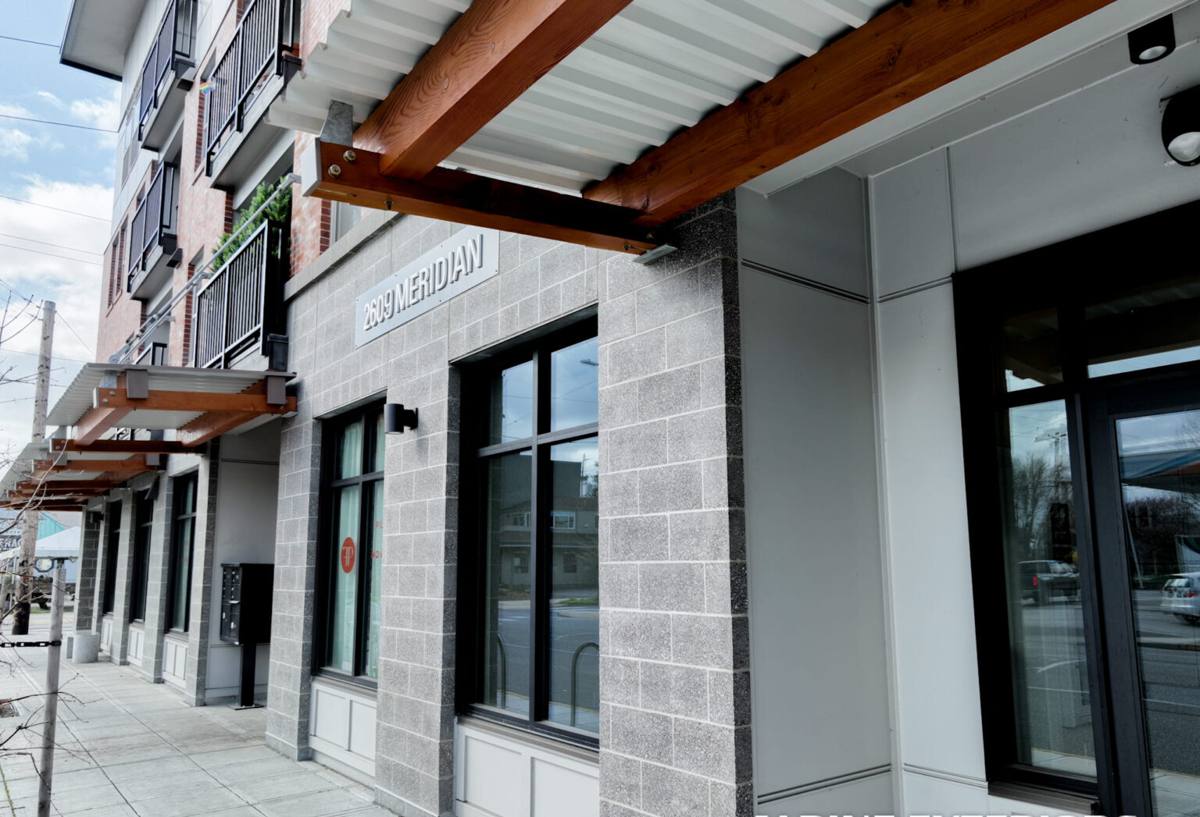
What Siding Actually Needs to Do at Cascade Lake
Before talking about brands or install steps, it helps to be clear on the job the siding has to perform here, specifically:
- Shed wind-driven rain without letting water track behind the cladding at laps, corners, and penetrations
- Resist swelling, softening, or delaminating when shaded surfaces stay damp for days at a time
- Hold a factory finish through repeated wet-dry cycles instead of chalking, peeling, or needing repainting every few years
- Stand up to salt-laden air without corroding fasteners or trim at the connection points
- Tolerate moss, algae, and lichen growth on the surface without the material itself breaking down underneath it
Every siding decision on this page comes back to those five requirements. A product that fails even one of them will look fine for a year or two at Cascade Lake and then start showing problems earlier than it would in a drier, sunnier part of the county.
Why We Install Only James Hardie Fiber Cement Here
We don't install vinyl, LP SmartSide, primed spruce, cedar, or other fiber cement brands. That's a standard we apply everywhere we work, and it matters more, not less, at a site like Cascade Lake.
Fiber cement is cement, sand, and cellulose fiber — it doesn't rot, it doesn't feed mold or moss growth the way wood-based products can, and it doesn't soften when it stays wet under tree cover. James Hardie's HZ5 product line is engineered specifically for climates like the Pacific Northwest's — freeze-thaw cycling, sustained damp, and coastal exposure — and its ColorPlus factory finish is baked on under controlled conditions rather than field-applied, which means the color coat holds up to years of salt air and shade-driven moisture without the chalking and peeling that field-painted finishes eventually show. Hardie also backs the product with a transferable limited warranty that stays meaningful if the home changes hands, which matters on an island where second homes and long-term rentals turn over more than people expect.
None of that means other products are junk — it means we've made a professional call that the combination of moisture load, salt exposure, and moss pressure at homes like these isn't the place to gamble on a lower-tier material or an installation-sensitive product. Fiber cement done correctly is the material that holds up here without babysitting.
What This Means in Practice
If a home near Cascade Lake currently has cedar, vinyl, or an LP product and it's showing early wear — buckling, soft spots at the bottom courses, color fade, or moss that won't stay off even after cleaning — that's usually the material reaching the limit of what it can handle in this spot, not a sign the homeowner did anything wrong.
What a Correct Installation Actually Involves
Fiber cement siding is only as good as the assembly behind it. A rushed or generic install on a Cascade Lake home will fail years before it should, regardless of the product on the wall. Here's what we treat as non-negotiable.
Water Management Behind the Siding
Every wall gets a drainage plane — a weather-resistive barrier with either a manufactured rain screen gap or furring strategy that lets any moisture that gets past the cladding drain and dry out instead of sitting against the sheathing. In a shaded, damp setting like this, that gap is what keeps incidental moisture from turning into trapped moisture.
Flashing and Penetrations
Windows, doors, deck ledgers, and any wall penetration are flashed so water is directed out and away from the framing, not just caulked and hoped over. Caulk fails; correctly lapped flashing doesn't depend on a sealant staying intact for twenty years.
Fastening and Clearances
Hardie board is fastened per the manufacturer's specification for the HZ5 zone — correct nail type, spacing, and embedment — with corrosion-resistant fasteners appropriate for a salt-air environment. We also hold the manufacturer's minimum clearances from grade, roofing, and decks, which is one of the most commonly skipped details on production-grade installs and one of the fastest ways to void a warranty.
Joints, Corners, and Trim
Butt joints get properly flashed or shiplapped rather than just caulked flush, and trim is installed to shed water off the face rather than trap it at the reveal. On a shaded lake lot, a poorly detailed joint is exactly where prolonged dampness — and eventually moss and soft substrate — will start.
Our Process for Cascade Lake Projects
- On-site assessment: we look at sun exposure, tree cover, existing moisture or moss patterns, and the condition of the sheathing and framing behind the current siding before quoting anything.
- Tear-off and substrate check: old siding comes off and we inspect for rot, soft sheathing, or prior water damage — common on shaded, long-standing moss growth — and address it before anything new goes up.
- Weather barrier and drainage plane: installed to current best practice for a damp, shaded coastal site, not the minimum code allows.
- Hardie installation: board, fasteners, flashing, and trim installed to manufacturer spec for the HZ5 climate zone.
- Final detailing and walk-through: caulking, touch-up, and a walkthrough so the homeowner understands what maintenance (if any) the finish actually needs going forward.
Cost Factors for a Cascade Lake Home
Every quote depends on the specific house, but the factors that move the number here are fairly consistent:
| Factor | Why It Matters at Cascade Lake |
|---|---|
| Access and site conditions | Tree cover, slope, and lake-adjacent lots can add setup time and staging complexity compared to a flat, open lot |
| Condition of existing sheathing | Shaded walls with long-term moss or moisture exposure sometimes need substrate repair before new siding goes on |
| Amount of trim and detail work | Corners, window returns, and multiple rooflines all add labor beyond flat wall footage |
| Board profile and reveal | Lap width, panel vs. plank choices, and color selection affect material cost per square |
| Drainage plane approach | A full rain screen assembly costs more up front than a basic weather barrier but pays off in a damp, shaded microclimate |
| Seasonal scheduling | Island logistics and weather windows can affect timeline, which affects overall project cost |
We walk through these line by line during the estimate so there are no surprises once work starts.
Signs Your Current Siding Is Losing the Fight
If your home is near Cascade Lake and you're seeing any of the following, it's worth having it looked at before the next wet season:
- Moss or algae that returns within weeks of being cleaned off
- Soft or spongy spots, especially near the bottom courses or under eaves with less sun
- Visible gaps opening at butt joints, corners, or trim
- Paint that's chalking, peeling, or fading unevenly across shaded and sunnier walls
- Warping, bowing, or cupping boards, particularly on wood-based or engineered wood siding
- Rising utility bills that suggest the wall assembly is no longer holding conditioned air the way it should
Why a Crew That Already Works Cascade Lake Matters
Orcas Island isn't a place where you want a crew learning the local conditions on your dime. Ferry-dependent scheduling, material delivery timing, and knowing which lots hold moisture longer than others all affect how a project should be sequenced. A crew that has already worked homes around Cascade Lake knows which walls typically need extra attention to drainage detailing before the first board goes up, and doesn't have to relearn San Juan County's permitting and inspection process from scratch. That familiarity shows up as fewer surprises mid-project and a finished install that's detailed for the actual conditions on your lot, not a generic mainland spec.
If your siding is showing its age or you're planning ahead for a home near Cascade Lake, we're happy to take a look and put together a free, no-pressure estimate — just fill out the form below.