 Orcas Island
 Deck Building for North Beach's Marine Climate
North Beach sits close enough to the water that its decks live a different life than a deck built a few miles inland. Salt-laden air moves through fasteners and finishes faster here, driving rain off the Strait finds every unflashed seam, and the shoulder seasons bring a long stretch of damp, low-light weather that keeps wood surfaces wet for days at a time. A deck built without that reality in mind will look fine for a year or two and then start showing problems — soft spots, blackened boards, corroding hardware — well before it should.
We build decks around here knowing what the site is actually going to throw at the structure, not just what the plans call for. That means material choices, fastener grades, framing details, and drainage all get decided with North Beach's exposure in mind, not a generic inland spec.
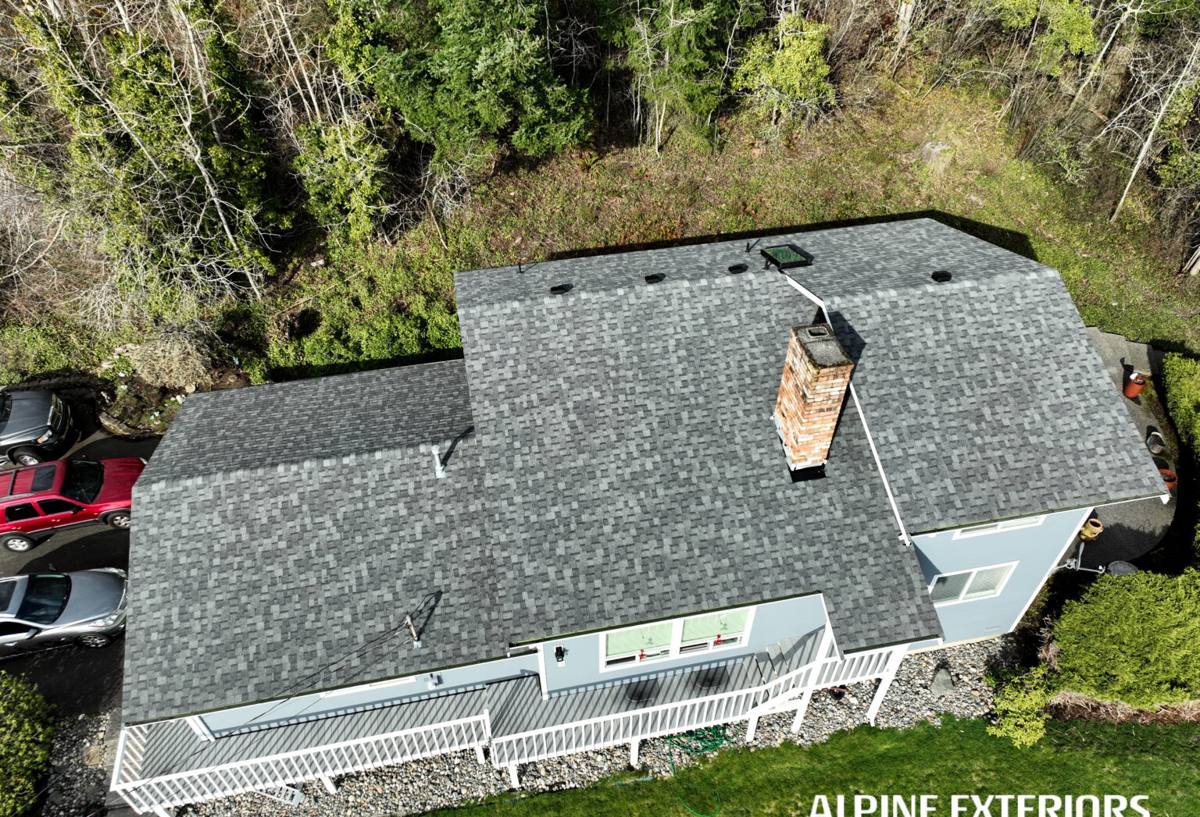
What North Beach Homes Need From a Deck
Every deck we build on this end of the island is shaped by a few local conditions that are hard to ignore:
- Salt air exposure — north and west-facing lots catch more airborne salt, which accelerates corrosion on standard fasteners and speeds up finish breakdown on wood.
- Driving rain — wind-driven rain off the water hits vertical surfaces and ledger connections at angles a covered porch never has to deal with, so flashing details matter more than usual.
- Tree cover and shade — many North Beach lots have mature conifers nearby, which means less direct sun to dry a deck surface after rain and more organic debris collecting in gaps.
- Moss and algae growth — the combination of moisture, shade, and mild temperatures gives moss a long growing season, and it doesn't just sit on top of the boards, it holds water against them.
None of these are exotic problems, but they compound. A deck that's fine with one of these factors can struggle when it's dealing with all four at once, which is the normal case for a shaded, water-facing North Beach lot.
Choosing Materials That Actually Hold Up Here
There's no single "best" decking material for every North Beach project — it depends on the site's sun exposure, your maintenance appetite, and your budget. What we won't do is recommend a product just because it's cheaper to install, if we know it's going to fight the local climate. Here's how the common options actually compare in this environment:
| Material | Salt Air / Moisture Behavior | Moss & Algae Tendency | Maintenance Load | Relative Cost Tier |
|---|---|---|---|---|
| Pressure-treated fir/pine | Prone to swelling and checking if finish isn't kept up | High in shaded, damp spots | Needs re-sealing every 1-2 years | Budget |
| Cedar | Naturally rot-resistant but still needs finish maintenance near salt air | Moderate — surface can green up without cleaning | Annual cleaning/oiling recommended | Mid-range |
| Capped composite | Very stable, doesn't absorb moisture like wood | Lower, but still needs periodic washing in shaded areas | Low — occasional cleaning | Mid to premium |
| PVC decking | Excellent — essentially impervious to moisture and salt | Lowest of the common options | Very low | Premium |
For a sunny, open lot, cedar or a mid-grade composite is often a perfectly reasonable choice. For a shaded North Beach lot with heavy tree cover, we'll usually steer clients toward capped composite or PVC — not because wood is a bad product, but because the maintenance burden of keeping bare or lightly-finished wood clean and sealed in a shady, damp spot is more than most homeowners want to sign up for.
Fasteners and Hardware
This is where a lot of decks quietly fail early, and it's easy to overlook because it's not visible once the deck is finished. In a salt air environment, standard galvanized fasteners can start showing corrosion within a few years. We use stainless steel or high-grade coated fasteners rated for coastal exposure on connections that matter most — ledger bolts, joist hangers, and any hardware near ground contact or open to weather.
Framing and Substructure — the Part You Don't See
A deck's surface material gets all the attention, but the framing underneath is what determines whether it's still solid in fifteen years. A few details we treat as non-negotiable on North Beach builds:
- Ledger flashing — where the deck attaches to the house, proper flashing keeps driving rain from working its way behind the ledger board and into the wall assembly. This is one of the most common failure points on older decks we've replaced.
- Joist protection — capping or wrapping joists reduces the chance of standing water sitting on end grain, which is where rot typically starts.
- Post bases off the ground — keeping posts on proper metal bases instead of buried or resting directly on concrete reduces moisture wicking.
- Airflow underneath — decks built too close to grade or without enough ventilation underneath stay damp longer after every rain, which speeds up both rot and moss growth.
Our Deck Building Process
1. Site Walk and Design
We look at sun exposure, drainage, tree cover, and how the deck ties into the house before recommending a layout or material. A design that ignores the site's shade pattern or water flow is starting off on the wrong foot.
2. Material Selection Based on Exposure
We'll walk through the honest tradeoffs for your specific lot — not a one-size answer — so you know what you're maintaining and what you're not before we order material.
3. Permit Coordination
Depending on size, height, and proximity to shoreline setbacks, a new deck on Orcas Island may need permitting through San Juan County. We handle that coordination as part of the project rather than leaving it to you to sort out.
4. Framing and Flashing First
The structural work gets done right before a single deck board goes down — this is the stage that determines how the deck ages, not the finish stage.
5. Decking Installation
Board spacing, fastening pattern, and orientation are all set with drainage and expansion/contraction in mind, particularly important with the seasonal moisture swings here.
6. Walkthrough and Care Guidance
We go over what your specific material needs — cleaning frequency, what to watch for, when to reseal if it's wood — so the deck actually gets the upkeep it was designed around.
Moss, Mildew, and Drainage — Design Details That Matter
Moss doesn't just grow on a deck, it holds moisture against the surface and, over time, against fasteners and framing too. A few design choices make a real difference in how much moss and mildew a deck deals with over its life:
- Board spacing that allows water to drain through rather than pool
- Avoiding low spots in the frame where water can collect
- Keeping the deck surface clear of overhanging branches where practical, since falling needles and leaves trap moisture in gaps
- Choosing a surface texture that doesn't create micro-pockets for organic debris to settle into
None of this eliminates moss entirely — that's not realistic in a shaded, damp San Juan County lot — but it substantially reduces how fast it builds up and how much cleaning the deck needs to stay ahead of it.
Permitting and Code Considerations
Deck projects on Orcas Island typically fall under San Juan County building requirements, and depending on the property's location, shoreline or critical areas review can come into play as well. Requirements vary based on deck height, size, and distance from the water, so this isn't something to assume your way through. We handle the permit process as part of the build rather than treating it as the homeowner's separate errand.
Maintenance Checklist for a North Beach Deck
Whatever material you choose, a little regular attention goes a long way in this climate. A realistic seasonal checklist looks like this:
- Sweep debris (needles, leaves, moss) out of board gaps regularly, especially in shaded areas
- Rinse or gently wash the surface at least once or twice a year to slow moss and mildew buildup
- Check fastener heads and hardware periodically for early signs of corrosion
- Inspect ledger flashing and the house connection point for gaps or damage
- Re-seal or re-stain wood decking on the schedule appropriate for the product — don't wait until it's visibly failing
- Confirm underneath the deck has clear airflow and isn't collecting standing water or debris
Why a Crew That Already Works North Beach Matters
A contractor who mostly builds decks in drier, sunnier inland areas can still build a technically sound deck — but they may not default to the flashing details, fastener grades, or material picks that actually matter here until something fails. We build decks up and down this part of Orcas Island regularly, so the salt air, the driving rain off the water, and the long moss season aren't unknowns we're solving for the first time on your project. That familiarity shows up in the small decisions — hardware grade, board spacing, where the flashing goes — that you won't notice until years later when they either held up or didn't.
If you're planning a new deck or replacing one that's showing its age, we're happy to take a look and talk through what makes sense for your specific lot. Reach out for a free, no-pressure estimate using the form below.