 Orcas Island
 Building a Deck for North Beach's Coastline, Not a Generic Backyard
North Beach sits close enough to the water that every outdoor structure on the property deals with salt-laden air, wind-driven rain, and long stretches of shade where moss and algae never fully dry out. A deck built to a generic mainland spec — standard lumber, standard fasteners, standard spacing — will show its age here faster than almost anywhere else in San Juan County. We build and replace decks in this neighborhood with that reality in mind from the first measurement, not as an afterthought once problems show up.
A deck is one of the few structures on a property that takes on water from above, below, and the sides all at once. Get the details wrong and you're not looking at a cosmetic issue in a few years — you're looking at soft framing, corroded hardware, and a rebuild instead of a repair.
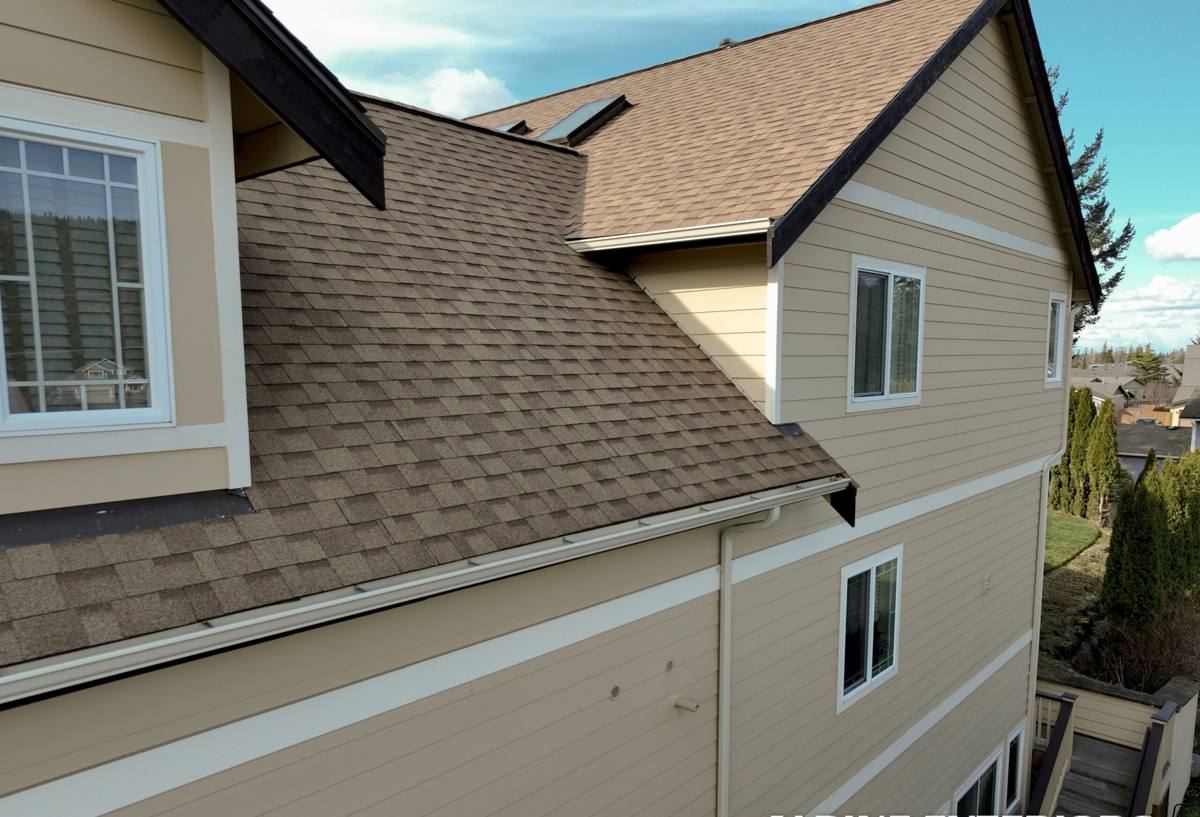
What North Beach's Climate Actually Does to a Deck
Three things drive almost every deck failure we see out here:
- Salt air. Airborne salt accelerates corrosion on any fastener, bracket, or connector that isn't rated for it — often long before the wood itself shows wear.
- Driving rain. Storms off the water don't just fall straight down; wind pushes moisture sideways into ledger boards, under railings, and into end grain that isn't sealed.
- Extended moss and algae season. Shaded, moisture-holding surfaces on Orcas Island can stay damp for months at a stretch. Moss holds water against decking and framing far longer than open sun ever would, which is exactly the condition that rots wood and pits metal.
None of these are exotic problems — they're just constant, and constant is what wears out a deck that wasn't built for it.
What a Correctly Built Deck Needs Here
Framing and Ledger Details
The ledger board — where the deck attaches to the house — is the single most common failure point on decks in wet coastal climates, because it's the hardest spot for water to drain away from. A correct install uses proper flashing between the ledger and the house siding, a gap or drainage path so water doesn't pool against the band joist, and structural fasteners rated for exterior and coastal exposure, not standard interior-grade hardware.
Decking Material Choices
There's no single "right" decking material for every North Beach project — it depends on budget, maintenance appetite, and how much shade and moss exposure the specific site gets. Here's how the common options actually compare in this climate:
| Material | Moisture behavior | Maintenance | Trade-offs in this climate |
|---|---|---|---|
| Pressure-treated wood | Resists rot when properly maintained; absorbs and releases moisture with weather | Needs periodic cleaning and refinishing, more often in shaded/mossy areas | Lowest upfront cost, but the highest ongoing upkeep in a wet, mossy environment |
| Cedar | Naturally resists decay; still moves with moisture over time | Regular cleaning and sealing to hold color and prevent surface graying | Good look, but soft surface can trap moss growth if not kept clean |
| Composite decking | Doesn't absorb water like wood; some boards can still hold surface moisture that feeds algae/moss | Lower maintenance overall; periodic washing to prevent surface film | Higher upfront cost; installation sensitivity around expansion, spacing, and fastening is higher than wood |
| PVC decking | Fully resists moisture absorption | Lowest maintenance; mainly surface cleaning | Highest material cost; still needs correct substructure ventilation underneath |
We'll walk through this table with your specific site conditions in mind — a deck tucked under trees with heavy shade needs a different recommendation than one that gets more open sun and wind.
Fasteners and Hardware
This is where we see the most corner-cutting on older North Beach decks, and it's the least visible until it fails. Standard electro-galvanized screws and joist hangers corrode noticeably faster in salt air than stainless steel or coastal-rated hot-dip galvanized hardware. We treat hardware selection as a structural decision, not a finish detail, because a deck's framing is only as good as what's holding it together.
Common Problems We Find on Existing North Beach Decks
- Ledger boards with rot behind the siding line, hidden until railing or decking is pulled up
- Corroded joist hangers and fasteners on decks over ten to fifteen years old, especially ones facing prevailing weather
- Moss buildup on decking boards and stair treads that turns into a slip hazard, not just an appearance issue
- Composite or wood decking installed without proper gapping, causing water to pool instead of shed
- Undersized or missing flashing where railings, posts, or stairs penetrate the deck surface
Most of these aren't visible from a quick look at the surface — they show up during a hands-on inspection, which is part of why we walk every existing deck before quoting a repair versus a rebuild.
Our Process for a North Beach Deck Project
1. On-Site Assessment
We look at the ledger connection, the framing underneath if accessible, the current material's condition, drainage patterns around the deck, and how much shade and moisture exposure the site actually gets day to day. This tells us whether you need a full rebuild, a partial framing repair with new decking, or a straightforward refinish.
2. Design and Material Selection
We talk through decking material, railing style, and layout based on how you actually use the space, your maintenance preference, and budget — using the comparison above as a starting point, not a sales pitch toward the most expensive option.
3. Permitting
Deck work in San Juan County often requires permitting depending on size, height, and attachment to the structure. We handle that process as part of the project so it doesn't fall on you to figure out county requirements.
4. Build or Rebuild
Framing first, with correct flashing and coastal-rated hardware throughout. Decking installed with proper spacing for drainage and material movement. Railings and stairs built to code, with attention to any penetration points where water could otherwise get in.
5. Final Walkthrough
We go over maintenance expectations specific to your material choice and your site's exposure before we consider the job done — not a generic care sheet, but what actually applies to where your deck sits.
Maintenance That Actually Matters Here
Every deck needs some upkeep, but in a moss-prone, salt-air environment the schedule matters more than the mainland norm. A basic seasonal routine:
- Sweep debris and standing organic matter off the deck surface regularly, especially in shaded corners where moss starts first
- Rinse salt residue off surfaces and hardware periodically, particularly after storms with onshore wind
- Check railings, stair connections, and any visible fasteners once or twice a year for early corrosion
- Clean and reseal wood decking on the schedule appropriate to that species — don't wait until graying is severe
- Keep gutters and downspouts near the deck clear so runoff isn't draining directly onto or under it
- Address moss growth promptly rather than letting it build up over a season — it's easier to remove early than after it's established
What Drives Cost on a North Beach Deck
| Factor | Why it matters here |
|---|---|
| Decking material | Ranges widely from treated wood to PVC; upfront cost trades against long-term maintenance in this climate |
| Deck size and height | Larger and elevated decks require more framing and may trigger different permit and railing requirements |
| Site access | Some North Beach lots have limited equipment access, which affects labor time |
| Existing structure condition | A rebuild on rotted framing costs more than replacing decking over sound framing |
| Hardware and flashing spec | Coastal-rated fasteners and proper flashing cost more than standard-grade materials but reduce long-term failure risk |
We give straightforward, honest ranges once we've actually seen the site — not a number pulled from a phone call, since the variables above shift the cost meaningfully from one property to the next.
Why It Matters to Hire a Crew That Already Works North Beach
A deck built for inland conditions and a deck built for a North Beach lot are not the same project, even if they look identical on paper. Crews unfamiliar with this stretch of Orcas Island sometimes spec standard hardware, skip coastal-grade flashing details, or recommend decking materials without accounting for how much moss and moisture the specific site holds onto. We've seen the failure patterns that come from that mismatch, and we build to avoid them from the start — correct fasteners, correct drainage, and material choices that match how exposed or sheltered your particular lot actually is.
If you're planning a new deck, replacing one that's showing its age, or just want an honest read on whether a repair will hold up versus a rebuild, we're happy to take a look. Request a free, no-pressure estimate using the form below.