 Orcas Island
 Deck Repair Built for Lopez Village's Island Climate
A deck in Lopez Village works harder than a deck almost anywhere inland. It sits close to the water, takes salt-laden wind off the strait, gets soaked by long stretches of driving rain through the fall and winter, and then spends weeks under shade and moss growth before it ever fully dries out. None of that is unusual for San Juan County — it's just the trade-off of island living. But it means a deck here ages differently than one in a drier, inland climate, and a repair that doesn't account for that will fail again faster than it should.
This page is about one job: repairing decks in and around Lopez Village. Not a general "deck services" pitch — the specific failure patterns we see on island decks, what a repair actually needs to include to hold up, and how we run the job when the site is a ferry-dependent community rather than a mainland subdivision.
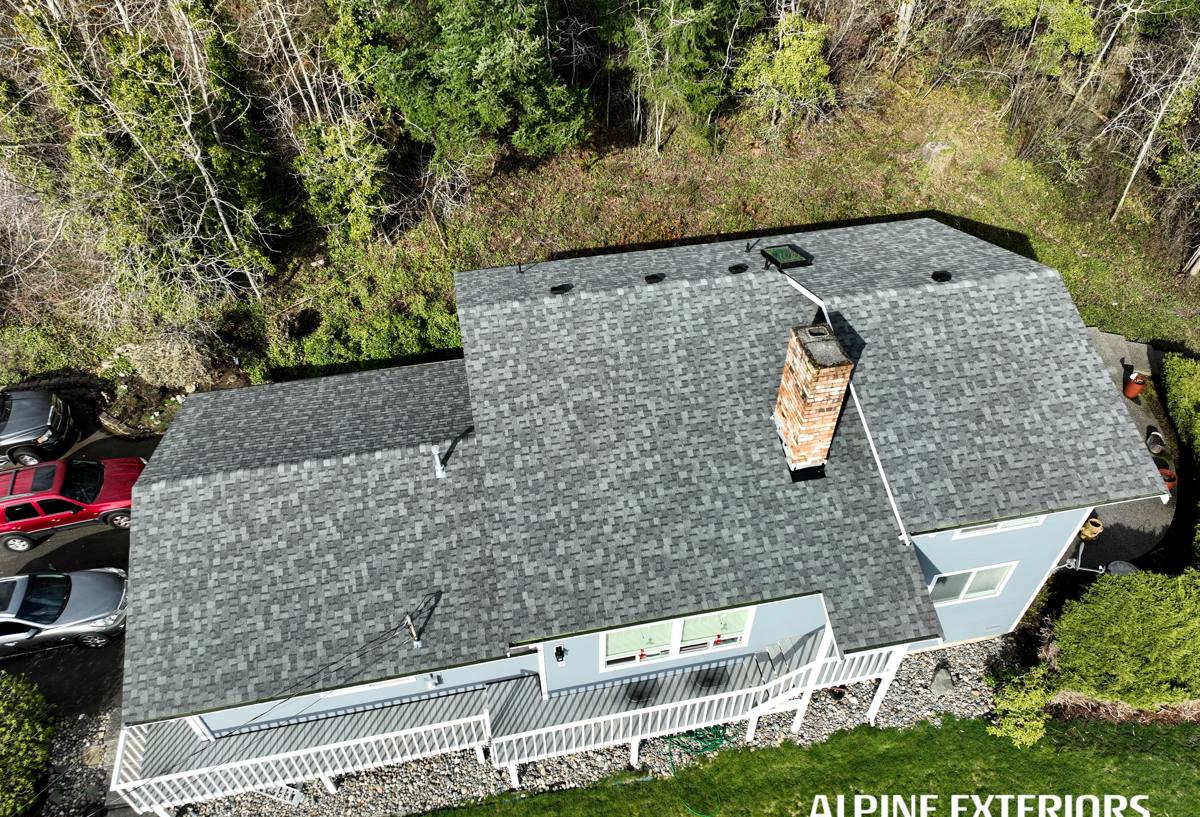
What Salt Air, Rain, and Moss Actually Do to a Deck
Salt Air and Metal Fasteners
Salt in the air accelerates corrosion on anything metal — nails, screws, joist hangers, bolts, and structural connectors. A fastener that would last decades inland can start rusting, weeping stains into the wood, or losing grip strength much sooner near the water. Once a fastener corrodes, it stops doing its job even if the board around it still looks fine, which is why a deck can seem structurally okay on the surface while its actual connections are failing underneath.
Driving Rain and Moisture Trapped Under Boards
Rain that comes in sideways off the water doesn't just wet the top of a deck — it drives into gaps between boards, around post bases, and behind ledger boards where the deck attaches to the house. If that water doesn't get a clear path to dry out, it sits against wood and fasteners for days at a time. Over a few seasons, that's how rot starts in places you can't see just by walking across the deck.
Moss, Algae, and the Long Wet Season
San Juan County's long stretch of overcast, damp weather gives moss and algae plenty of time to establish themselves on shaded or north-facing deck surfaces. Beyond looking bad, moss holds moisture directly against the wood surface far longer than open air would, and it makes boards slick and genuinely dangerous underfoot when wet. Left alone through multiple moss seasons, that constant damp layer softens the wood fibers at the surface, which is often the first visible sign of a deck that needs attention.
Signs a Lopez Village Deck Needs Repair
Most deck problems out here show up gradually, and homeowners often notice the cosmetic issues — the graying wood, the moss patches — long before the structural ones. Here's what we actually check for and what each sign usually means:
- Soft or spongy spots when you press or walk on the decking — usually rot has started under the surface.
- Rust streaks below screw or nail heads — a sign fasteners are corroding and may be losing holding strength.
- Boards that have cupped, warped, or separated at the edges — moisture is cycling in and out of the wood unevenly.
- A ledger board pulling away from the house, even slightly — this is a structural issue, not cosmetic, and should be looked at promptly.
- Wobbly or loose railings and posts — often the first thing to fail because they take direct wind and lateral load.
- Persistent moss or dark staining that comes back within weeks of cleaning — the surface isn't drying between rains.
- Visible daylight or gaps where support posts meet footings, or footings that look like they've shifted.
What a Correct Repair Job Actually Involves
Start Below the Surface, Not Above It
A repair that only replaces the boards you can see is treating the symptom. Before we touch decking, we check the substructure: joists, ledger board attachment, post bases, and footings. In a salt-air, high-rain environment, this is where the real damage tends to hide, and it's the part a rushed repair skips.
Fastener Grade Matters More Here Than Inland
We don't reuse or match cheap fasteners on a coastal repair. Stainless steel or properly rated hot-dip galvanized hardware costs more upfront than standard exterior-grade fasteners, but on a deck exposed to salt air, it's the difference between a repair that lasts and one that starts rusting again within a couple of seasons. This is a professional standard we hold to on every island job, not an upsell.
Flashing and Water Management
Where the deck meets the house, proper flashing keeps driving rain from working its way behind the ledger board and into the wall structure. On older decks, this is frequently missing or installed incorrectly, and it's one of the most common root causes of hidden rot we find during a repair inspection.
Matching or Replacing Decking Material
Depending on the extent of the damage, we'll either replace individual damaged boards with matching material or recommend a broader resurfacing if enough of the deck surface has reached the end of its service life. We'll always tell you honestly which situation you're in rather than defaulting to the more expensive option.
Repair or Replace? Honest Cost Factors
Not every deck problem calls for a full rebuild, and not every deck is worth patching. Here's how we think through it:
| Factor | Leans Toward Repair | Leans Toward Replacement |
|---|---|---|
| Structural frame (joists, ledger, posts) | Solid, only surface boards affected | Rot or corrosion found in multiple structural members |
| Age of deck | Under 10-15 years, built with decent original materials | Original construction is old and fasteners/framing are original |
| Extent of damage | Isolated boards, railings, or connections | Damage spread across most of the surface or substructure |
| Footings and posts | Level, sound, properly set | Shifted, undersized, or showing rot at ground contact |
| Budget goal | Extend usable life a number of years affordably | Want a long-term, lower-maintenance surface going forward |
Most of the time a deck falls somewhere between these two columns, which is exactly why we do a hands-on inspection before quoting anything — a phone estimate on a deck repair usually isn't an honest one.
How We Approach a Lopez Village Job
1. On-Site Inspection
We walk the whole deck, check the substructure from underneath where accessible, probe suspect boards, and look at how water has historically moved (or pooled) across the surface. This is also when we check railing and post connections, since those get more direct wind exposure this close to the water.
2. A Clear, Written Scope
You get a plan that separates what's structural, what's cosmetic, and what's optional — with pricing broken out so you can see exactly what you're paying for and why, instead of one lump number.
3. Scheduling Around Island Logistics
Working in Lopez Village means factoring in ferry schedules for both crew and materials, and being realistic about weather windows during the wetter months. We plan material deliveries and crew days around that reality rather than treating it like a mainland job and running into delays mid-project.
4. The Repair Itself
Structural work first — framing, ledger, fasteners, flashing — then decking, then railings and finish work. We don't cover up a structural shortcut with new boards on top.
5. Walkthrough and Care Guidance
Before we leave, we walk the finished repair with you and go over simple maintenance steps specific to your deck's exposure — sun, shade, wind side, whatever applies — so the repair holds up through the next moss season and beyond.
Keeping a Repaired Deck in Good Shape
A good repair buys you years, but a little seasonal upkeep buys you more. This is the same guidance we leave with homeowners after a job:
- Sweep off standing debris and trapped leaves regularly, especially in fall — they hold moisture against the surface.
- Treat moss and algae growth early in the season rather than waiting for it to spread across shaded areas.
- Check railings and stair connections for looseness once or twice a year — they take the most wind and lateral stress.
- Look underneath the deck occasionally for staining, soft wood, or corrosion at fastener heads.
- Keep gutters and downspouts near the deck clear so runoff isn't dumping extra water onto or under it.
- Reapply finish or sealant on wood decking on the schedule the product calls for — salt air and UV both shorten the practical interval versus inland conditions.
Why Hire a Crew That Already Works Lopez Village
A contractor who mostly works inland can still do competent carpentry, but they may not default to the fastener grades, flashing details, or moisture-management habits that a salt-air, high-rain climate actually demands — because it's simply not what they run into every day. Working across San Juan County, including Lopez Village and Orcas Island, means we see the same failure patterns repeatedly: corroded hardware, hidden ledger rot, moss holding moisture on shaded surfaces. That's not a sales pitch, it's just what recurring, hands-on experience in this specific climate teaches you.
It also matters practically. A crew that already plans around island ferry schedules and weather windows is less likely to leave a project half-finished because of a logistics surprise. That's a real difference on a deck repair, where a job left open partway through is exposed to the exact rain and moisture the repair is meant to fix.
Get an Honest Look at Your Deck
If your Lopez Village deck has soft spots, rusting hardware, stubborn moss, or just feels less solid than it used to, it's worth having someone look at it before another wet season passes. We offer free, no-pressure estimates — we'll tell you plainly what's structural, what's cosmetic, and what we'd actually recommend for your situation. Use the form below to get in touch and we'll go from there.