 Orcas Island
 Roof Repair Built for Lopez Island's Climate
A roof on Lopez Island earns its keep differently than one twenty miles inland. Between the salt-laden air coming off the water, wind-driven rain that finds its way sideways under loose flashing, and a moss season that can stretch from fall through spring, the roofs out here age on their own schedule. A repair that would hold up fine in a drier, calmer climate can fail early here if it isn't done with San Juan County's conditions in mind. This page is about one job, done right, for this island: roof repair, not a full tear-off, not siding, not gutters — the patching, flashing, and shingle work that keeps a roof watertight for years instead of months.
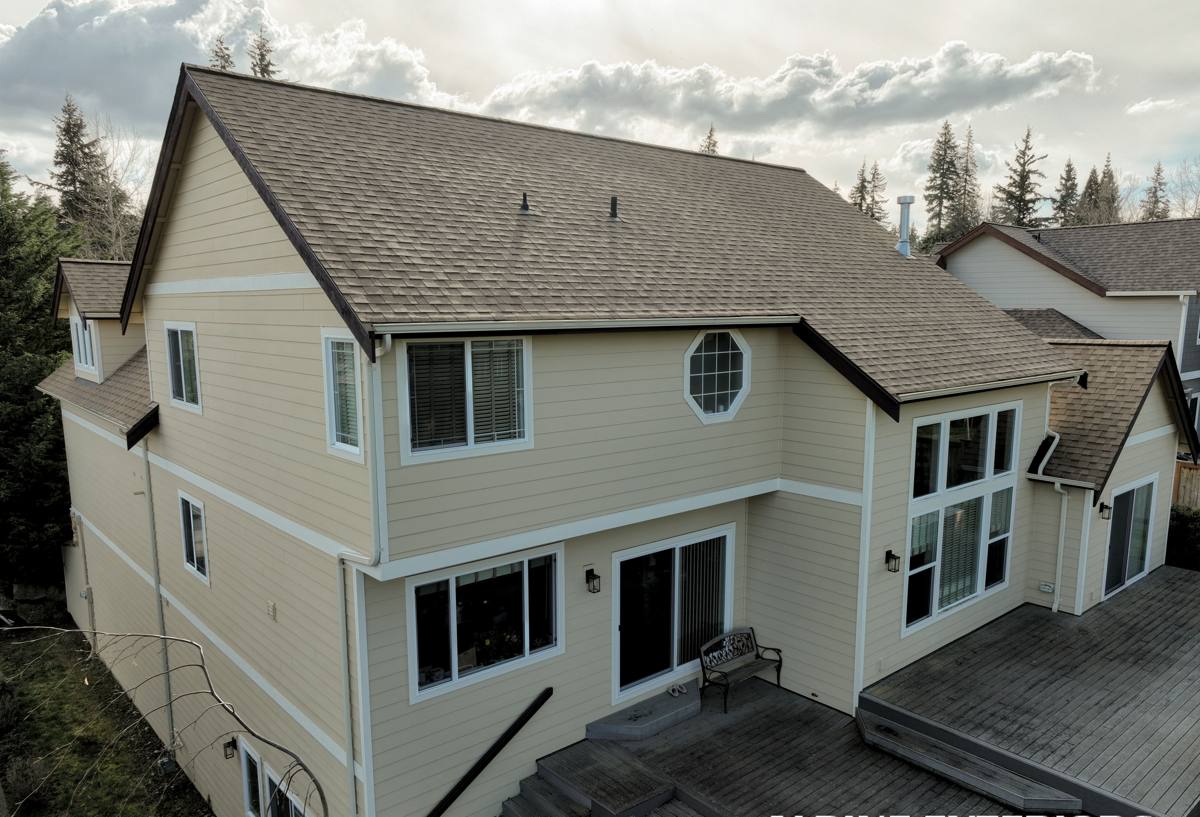
Why Lopez Island Roofs Wear Differently
Salt Air and Corrosion
Homes near the water take on airborne salt that settles on every exposed surface, including the roof. Over time it accelerates corrosion on exposed fasteners, flashing, and any metal roofing components that aren't rated for a marine environment. A repair that uses standard hardware instead of corrosion-resistant fasteners might look fine for a season or two, then start weeping rust streaks and loosening at the exact spots that matter most — around penetrations and edges.
Driving Rain and Wind-Driven Water
Storms coming off the water don't always fall straight down. Wind-driven rain pushes water sideways and upward under shingle edges, around chimney flashing, and into any gap a calmer climate would never test. Most of the leaks we get called out for on Lopez Island aren't from a big obvious hole — they're from small gaps that only leak during a specific wind direction and rain intensity, which is exactly the combination this island gets a lot of.
The Long Moss Season
Shaded, north-facing roof slopes and anything near overhanging trees stay damp for months at a time. That damp, shaded combination is exactly what moss and lichen need to take hold, and once established they hold moisture directly against the roofing material, work their way under shingle tabs, and speed up granule loss. A roof here can look intact from the ground while moss is quietly doing damage underneath.
Signs Your Lopez Island Roof Needs Repair
Most roof problems give some warning before they turn into an active leak. Worth checking for, or having us check for:
- Dark streaking or thick moss growth concentrated on shaded or north-facing slopes
- Granules collecting in gutters or at the base of downspouts
- Curling, cracked, or lifted shingle tabs, especially near ridges and edges
- Rust stains or visible corrosion around flashing, vents, or metal roof sections
- Soft or discolored ceiling spots inside, particularly after a windy rainstorm
- Daylight visible through the roof deck from inside an attic or crawlspace
- Flashing that's separated, bent, or missing sealant around chimneys and skylights
- Sagging or uneven roof lines, which usually means deck damage underneath
Any one of these on its own might not mean much. Two or three together, especially combined with an interior stain, usually means it's time for a closer look before the next storm.
What a Correct Roof Repair Actually Involves
Matching Materials, Not Just Patching
A patch that doesn't match the existing roofing in material, weight, and profile creates a weak seam — a spot where two different materials expand, contract, and shed water differently. Correct repair work means matching shingle type and exposure, using compatible underlayment, and tying new flashing into the old system so water sheds over every seam instead of pooling at one.
Flashing Details Matter Most
On a wind-driven-rain coast, flashing is where roofs succeed or fail. Step flashing at wall intersections, counter-flashing at chimneys, and proper valley metal all need to be sized and lapped correctly, with sealant used as a backup, not the primary defense. We use corrosion-resistant fastener and flashing materials suited to a marine environment rather than whatever is cheapest on the shelf — it costs a little more up front and saves a callback in a few years.
Deck and Underlayment Condition
Any competent repair starts by checking what's underneath the visible damage. If the roof deck has soaked through and gone soft, or if the underlayment has failed over a wider area than the surface damage suggests, patching over it just delays the real fix. Part of an honest repair estimate is telling a homeowner when a "repair" area is actually bigger than it looks from the ground.
Moss, Lichen, and Roof Health
Moss removal on an active roof takes a careful hand — scraping or pressure-washing aggressively can lift granules and shorten the life of otherwise sound shingles. The better approach is gentle removal, followed by treatment that discourages regrowth, and where practical, addressing the shade and moisture source (overhanging branches, poor airflow) that let it take hold in the first place. Zinc or copper strips near the ridge can help slow regrowth on future rain events, but they're a supplement to good repair work, not a substitute for it.
Repair vs. Replace: How We Help You Decide
Not every roof problem calls for a full replacement, and not every leak can be permanently solved with a patch. These are the factors we actually weigh:
| Factor | Leans Toward Repair | Leans Toward Replacement |
|---|---|---|
| Age of roof | Under roughly 15 years, or within its expected service life | Near or past the material's typical lifespan |
| Extent of damage | Isolated area — one valley, one flashing point, one section | Damage spread across multiple slopes or systemic underlayment failure |
| Deck condition | Deck is solid where exposed | Deck is soft, delaminated, or repeatedly needs work |
| Moss/lichen extent | Surface growth, shingles intact underneath | Growth has caused granule loss and material breakdown |
| History of leaks | First occurrence or clearly isolated cause | Recurring leaks in different spots each season |
We'll tell you honestly which side of that table your roof falls on, including when a repair is the right call even though a replacement would be the easier sale.
Our Process for Lopez Island Jobs
Ferry-Aware Scheduling
Working on an island means the job doesn't start when the truck leaves the shop — it starts with the ferry schedule. We plan material orders and crew trips around ferry timing so a repair isn't stalled waiting on a part that missed a sailing. That planning is second nature to a crew that already works Lopez Island regularly; it's a real friction point for a crew that doesn't.
Assessment, Then a Straight Answer
We start with a roof inspection — from the ground and, where safe and useful, up close — to identify the actual cause of a leak or damaged area, not just the visible symptom. You get a clear explanation of what's wrong, what it'll take to fix it correctly, and a written estimate before any work starts.
Working Around Weather Windows
Roof repair needs a dry work window, and on this coast those windows have to be picked carefully rather than assumed. We watch the forecast and sequence work so tear-out and dry-in happen inside the same window, and we tarp and protect any open area if weather turns before a repair is fully closed up.
Why a Crew That Already Works Lopez Island Matters
A roof repair is only as good as the crew's familiarity with how this specific island behaves. That means knowing which slopes on this kind of terrain hold moss longest, which fastener and flashing choices actually hold up against salt air over years rather than months, and how to plan a job so a ferry delay doesn't turn into a roof left open overnight. It also means being reachable for a follow-up check or a warranty question without the logistics of a mainland-only contractor figuring out island access for the first time.
Simple Maintenance That Extends a Repair's Life
A correct repair lasts a lot longer with a little upkeep in between:
- Clear gutters and downspouts each fall before the heavy rain sets in
- Trim back branches that shade roof sections and keep them damp
- Check flashing and sealant points once a year, ideally before winter storms
- Remove moss gently rather than scraping or power-washing aggressively
- Address small leaks immediately — they rarely stay small over a wet winter
If you're seeing moss buildup, a stain on a ceiling, or flashing that looks worse than it did last year, we're glad to take a look and give you a straightforward, no-pressure estimate for what it would take to fix it right. There's a form below to get that started.