 Orcas Island
 Windows Built for Crow Valley's Climate, Not a Catalog Average
Crow Valley sits in one of the more sheltered pockets of Orcas Island, but "sheltered" on San Juan County still means salt-laden air off the surrounding water, long stretches of driving rain in the fall and winter, and a moss season that can stretch from October well into spring. Windows here don't fail the way they do inland. They fail at the seams — at the point where frame meets siding, where a sash gasket has started to give, where moisture has found a way behind the trim and just sat there. A window that's "energy efficient" on paper but wasn't detailed for this environment will still leak air, fog between panes, or let rot start in the sill within a few seasons.
This page is about one thing: replacing or upgrading windows in Crow Valley homes with units and installation details that actually hold up here, while cutting the heat loss and drafts that drive up propane and electric bills through the wet, cool months.
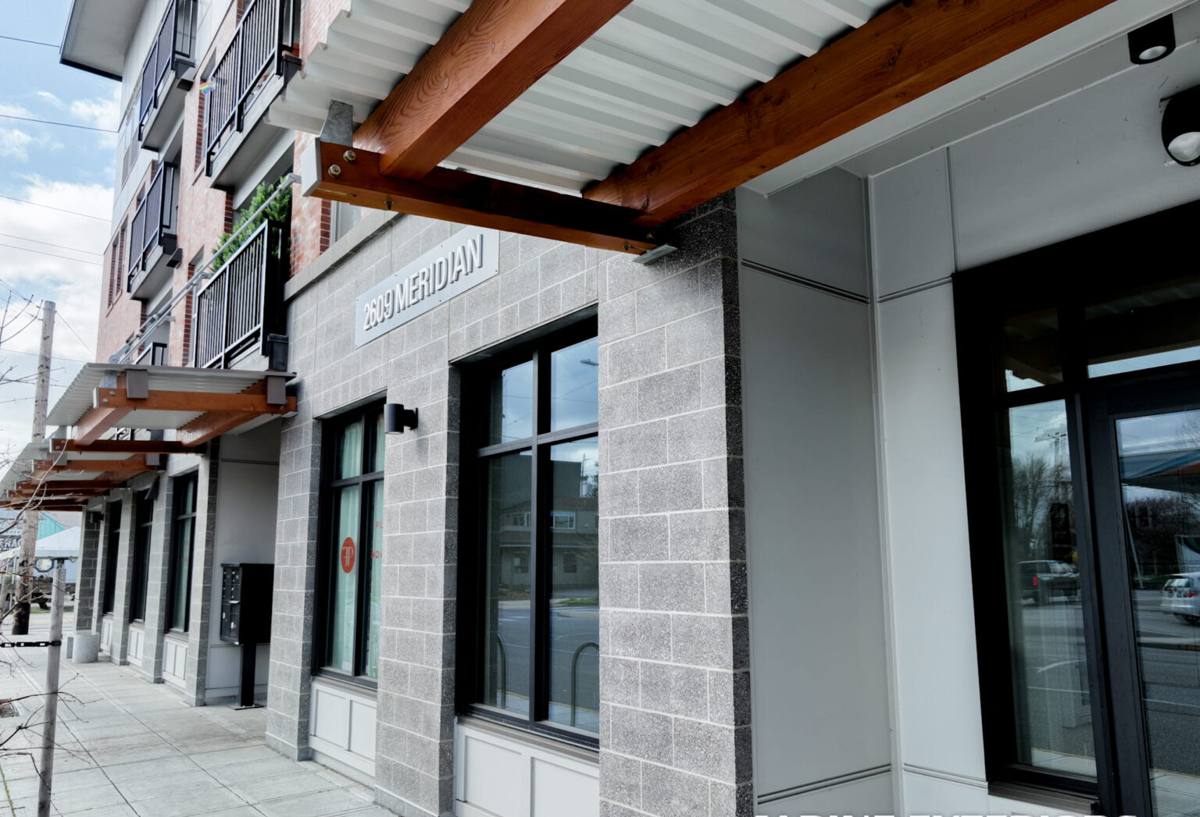
What "Energy-Efficient" Actually Means for This Location
Energy efficiency in a window comes down to three things working together: the glazing, the frame, and the installation. Get one wrong and the other two don't matter much.
Glazing
Double-pane, low-E (low-emissivity) glass with an argon or krypton gas fill is the standard for Pacific Northwest island homes. Low-E coatings reflect radiant heat back into the room in winter and block excess solar heat gain in summer — useful on the south and west exposures that catch full afternoon sun. Look for a U-factor around 0.30 or lower and a Solar Heat Gain Coefficient (SHGC) that matches the wall's exposure; a north-facing window in a shaded part of the valley doesn't need the same SHGC as a west-facing one that bakes all afternoon.
Frame Material
Frame choice matters more here than in a dry inland climate because the frame is what takes the direct hit from wind-driven rain and salt air. We'll cover material trade-offs in detail below.
Installation Detail
A high-performance window installed with a poor flashing sequence will underperform a mid-grade window installed correctly. This is the piece homeowners can't see once the trim goes back on, and it's the piece that determines whether the window is still dry and tight in ten years.
Common Window Problems We See in Crow Valley Homes
- Sill rot from trapped moisture — older installations without a proper sloped sill pan let water sit against the wood frame or sheathing instead of draining out.
- Failed seals on double-pane units — visible as fogging or a hazy ring between the panes; once the seal fails, the insulating gas is gone and the window is basically single-pane again.
- Moss and algae staining around frames — the long damp season here means anything with a horizontal ledge (sills, muntins, exterior casing) collects organic growth that holds moisture against the material.
- Corroded hardware — cranks, hinges, and locks on lower-grade aluminum or unprotected steel hardware corrode faster this close to salt water.
- Drafts around the frame perimeter — old or degraded caulking and backer rod lets air infiltrate even when the sash itself closes fine.
- Wood trim failure at the siding transition — if the window-to-siding flashing wasn't lapped correctly, water gets behind the cladding and rot shows up in the trim before it shows up anywhere else.
Most of these aren't the window unit's fault — they're installation or maintenance issues that show up faster in this climate than they would somewhere drier.
Choosing the Right Frame Material for Crow Valley
There's no single "best" frame material — each has real trade-offs once you factor in salt air, moisture exposure, and how much upkeep an owner wants to sign up for.
| Material | Strengths Here | Trade-offs Here |
|---|---|---|
| Vinyl | Won't rot, no painting, good insulating properties, reasonable cost | Can look less premium on higher-end homes; quality varies a lot by manufacturer |
| Fiberglass | Very stable in temperature swings, strong against wind-driven rain, low maintenance | Higher upfront cost than vinyl |
| Wood-clad (aluminum or fiberglass exterior, wood interior) | Warm interior appearance, good performance if the cladding is intact | Any breach in the cladding exposes wood to moisture — a maintenance-sensitive choice this close to salt air |
| Aluminum | Strong, slim sightlines | Poor insulator unless thermally broken; prone to condensation and, over time, corrosion in salt air without a quality finish |
Our general standard for Crow Valley installs is vinyl or fiberglass with a documented salt-air-rated finish and full-perimeter weatherstripping — not because wood-clad windows are bad products, but because the maintenance burden of keeping cladding seams sealed against this much sustained moisture is a real ongoing cost most owners don't want to take on. If a homeowner wants a wood-interior look, we'll talk through what that upkeep actually looks like before making a recommendation either way.
Our Installation Process
The window unit is maybe half the job. The other half is how it ties into the wall assembly, and that's where most long-term failures start or get prevented.
- Assess the existing opening — we check the rough opening, sheathing, and any existing water damage before ordering anything. If there's rot behind the old window, that gets addressed first, not covered up.
- Sloped sill pan flashing — every replacement gets a sill pan that slopes outward, so any water that does get past the sash has somewhere to go besides your wall cavity.
- Weather-resistant barrier integration — flashing tape and house wrap are lapped correctly around the window so water sheds down and over, never behind, the siding.
- Air sealing at the frame perimeter — low-expansion foam or backer rod and sealant around the full frame, not just a bead of caulk on the outside trim.
- Level, plumb, and square set — a window that's slightly out of square won't seal or operate correctly no matter how good the unit is.
- Exterior trim and siding tie-in — since we do siding work too, we make sure the window trim detail matches and protects the surrounding cladding rather than creating a new water trap.
What Affects the Cost
| Factor | Why It Matters |
|---|---|
| Number and size of windows | Larger openings and more units mean more material and labor time |
| Frame material | Fiberglass and higher-tier vinyl run more than basic vinyl |
| Condition of the existing opening | Rot repair or resizing an opening adds carpentry time beyond a straight swap |
| Access and story height | Second-story or hard-to-access windows take longer and may need staging |
| Custom sizes or shapes | Non-standard openings mean custom-order units instead of stock sizes |
| Island delivery logistics | Material has to come over by ferry, so lead times and scheduling factor into project cost and timeline |
Most single-window replacements land in a broad mid-four-figure range per opening depending on the factors above; a full-home window package is priced project by project once we've walked the site. We'll give straight numbers after an actual look at your windows — not a phone-quote guess.
Working Around Island Logistics
Every material for a Crow Valley job has to cross on the ferry, which means we order early and build a realistic buffer into the schedule rather than promising a turnaround that depends on perfect sailings. We also batch trips and material pickups efficiently, which keeps costs down compared to a mainland contractor treating this as a one-off job. Knowing the ferry schedule, tide-dependent access points, and typical fall storm windows isn't a small thing here — it's the difference between a project that finishes on time and one that stalls waiting on a part.
Maintaining Your Windows After Installation
- Rinse frames and sills periodically to clear salt residue, especially after storms.
- Keep gutters and nearby vegetation clear so runoff and shade don't create standing moisture at the sill.
- Check and refresh exterior caulking at the trim-to-siding joint every couple of years — this is the first line of defense against wind-driven rain.
- Clean weep holes on the exterior sill track so water can actually drain instead of pooling.
- Watch for moss or algae starting on horizontal trim surfaces and remove it before it holds moisture against the wood or finish.
- Lubricate hardware (cranks, hinges, locks) annually to fight the extra corrosion risk from salt air.
Why Hire a Crew That Already Works Crow Valley
A contractor who only occasionally makes it out to Orcas Island is guessing at material lead times, weather windows, and how a particular neighborhood's exposure to wind and salt behaves. A crew that regularly works Crow Valley and the surrounding areas of San Juan County has already seen how the local moss season affects trim, which exposures take the worst of the driving rain, and how to sequence a job so it's not exposed to open weather any longer than necessary. That local pattern recognition is what keeps a window installation from becoming a callback two winters later.
If your Crow Valley home has drafty, foggy, or aging windows — or you're planning ahead for a remodel — we'd be glad to take a look and give you a straightforward, no-pressure estimate using the form below.