 Orcas Island
 Deck Building in Rosario: Designed for Orcas Island's Marine Climate
Rosario sits in one of the more exposed pockets of Orcas Island, where salt-laden air off the water meets long stretches of shade from surrounding fir and cedar. That combination is hard on outdoor structures. A deck built with mainland assumptions — standard fasteners, generic decking, minimal airflow underneath — tends to show its age fast out here. One built for San Juan County's actual conditions holds up for decades instead of years.
We build and repair decks throughout Orcas Island, and Rosario properties come with their own set of demands: driving rain that finds its way sideways under eaves and railings, a moss season that can run from fall through spring, and salt air that accelerates corrosion on anything not rated for it. This page covers what that means for a deck built specifically for a Rosario home, and what our process looks like from first visit to final walkthrough.
What Makes Rosario Properties Different
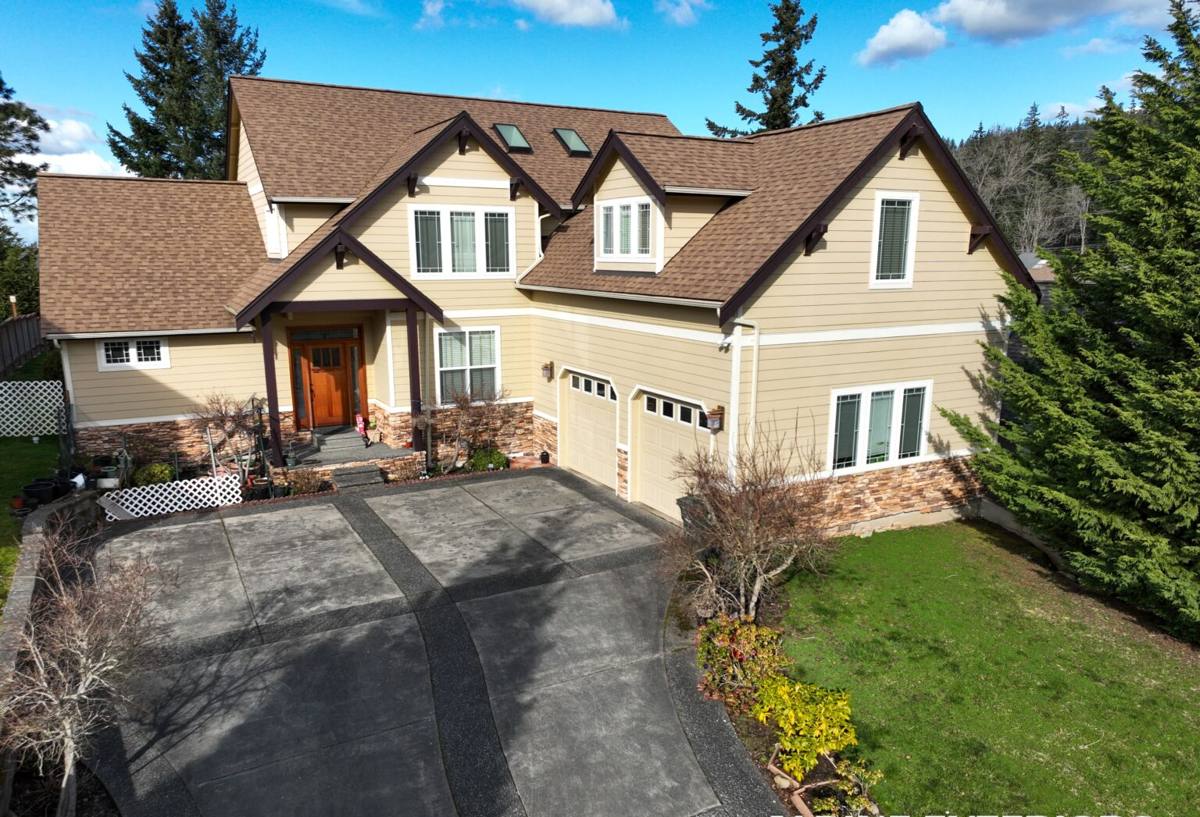
Every Orcas Island deck deals with rain and moisture, but the specifics change block by block. Around Rosario, we typically see a mix of tree-shaded lots and open, water-exposed sites, sometimes on the same property. That means a deck design often has to account for two different problems at once: constant dampness and slow drying under canopy on one side, and wind-driven salt spray on the other.
Sloped and wooded terrain is also common in this area, which affects footing depth, post height, and how much ground clearance a deck needs for airflow. A deck that sits low and tight to damp soil in a shaded Rosario yard will trap moisture against the framing no matter how good the decking on top looks. Getting the substructure right for the specific lot matters as much as the visible material choices.
What a Correctly Built Deck Actually Involves
"Correct" isn't about the decking boards you see — it's mostly about what's underneath, where rot, rust, and structural failure actually start. This is where a lot of decks in wet coastal climates go wrong, usually because the visible work looks fine while the hidden work was rushed.
Ledger Attachment and Flashing
If a deck attaches to the house, the ledger board connection is the single most common failure point in the Pacific Northwest. Proper flashing — installed in the right order, lapped correctly with the house's water-resistive barrier — keeps rain from working its way behind the ledger and into the rim joist. We flash every ledger connection as standard practice, not as an upgrade.
Footings and Post Bases
Footings need to be sized and set below frost depth and clear of standing water, especially on the sloped or partially shaded lots common around Rosario. Posts should sit on raised bases, never buried in or resting directly on concrete, so end grain isn't sitting in moisture. It's a small detail that determines whether a post lasts fifteen years or fifty.
Joist Spacing and Airflow
Tighter joist spacing adds stiffness and reduces board bounce, but the framing also needs enough clearance underneath for air to move. On shaded, low-lying sites, we build in extra ground clearance specifically so the underside of the deck can dry out between rains instead of staying damp for weeks at a time — which is exactly the environment moss and rot both prefer.
Decking Material: What Holds Up to Salt Air and Moss
There's no single "best" decking material for every Rosario property — it depends on sun exposure, budget, and how much upkeep you want to do. Here's how the common options compare under this area's specific conditions.
| Material | Moss & Moisture Behavior | Salt Air Durability | Maintenance |
|---|---|---|---|
| Pressure-treated wood | Absorbs moisture; needs airflow and regular sealing to resist rot | Fasteners and hardware need corrosion-rated coating | Annual cleaning and re-sealing recommended |
| Cedar | Naturally rot-resistant but still needs finish maintenance in shade | Handles salt air well when finished properly | Periodic cleaning, re-oiling or staining every few years |
| Capped composite | Won't rot; textured surfaces can still hold moss spores in deep shade | Very good — no corrosion, stable in salt exposure | Occasional washing; no sealing or staining |
| Uncapped composite | Older-generation boards can absorb moisture at cut ends | Good, but cut-end sealing matters more | Low, but more upkeep than capped composite |
In shaded, moisture-heavy spots we lean toward capped composite or well-finished cedar with a grooved or textured surface, because smooth painted or bare wood surfaces are where moss gets its first foothold. In open, sun-exposed sections of the same deck, standard treated lumber or cedar can perform just as well and cost less.
Railings and Hardware That Won't Rust
Salt air is unforgiving on cheap or mismatched hardware. Galvanized fasteners can corrode faster than expected when they're in direct contact with certain treated lumber chemicals, which is a common cause of black staining and streaking around screw heads within a couple of years. We use fastener and hardware ratings matched to the lumber and the exposure — typically stainless steel or coated fasteners rated for coastal use — rather than whatever is cheapest at the yard.
For railings, cable rail systems and metal balusters need marine-grade or coated stainless components, or they'll show rust streaks down the deck face within a season or two. Wood railings need the same finish attention as the decking itself, and often more, since top rails take the most direct rain exposure on the whole structure.
Our Rosario Deck-Building Process
- Site visit and assessment — We walk the lot, check sun and shade patterns, drainage, slope, and any existing structure being replaced or tied into.
- Design and material selection — We talk through decking, railing, and hardware options based on your budget and how much maintenance you actually want to do.
- Permitting — Deck projects on Orcas Island typically require a San Juan County permit depending on size, height, and location relative to setbacks or shoreline rules. We handle that process rather than leaving it to you.
- Framing and inspection — Footings, posts, ledger flashing, and joists go in first, built to hold up long after the surface decking is installed.
- Decking, railings, and finish work — Boards, railings, and any finish or sealant are installed last, once the structure underneath is sound.
- Final walkthrough — We go over the finished deck with you, including what maintenance it needs and when.
Keeping a Rosario Deck Clear of Moss Year-Round
Moss doesn't mean a deck was built wrong — it means the deck is doing what decks in this climate do unless you stay ahead of it. A few habits go a long way:
- Sweep debris and fir needles off the deck regularly, especially in fall — trapped organic matter is what moss actually feeds on
- Rinse or wash the deck surface a few times a year, more often in shaded areas
- Keep gutters and downspouts clear so runoff isn't dumping directly onto or under the deck
- Trim back overhanging branches where possible to let more light and air reach the surface
- Reseal or re-stain wood decking on schedule — a worn finish is an open invitation for moss and rot
- Check the underside of the deck once a year for standing moisture or blocked airflow
A deck built with the right ground clearance and material choices needs far less of this upkeep than one that wasn't — but no deck on Orcas Island is completely maintenance-free.
Why a Crew That Already Works in Rosario Makes a Difference
Building on Orcas Island isn't the same as building on the mainland. Material has to be ordered ahead of the ferry schedule, weather windows for framing and finish work are tighter, and San Juan County's permitting and shoreline considerations aren't always intuitive if you're not used to them. A crew that already does this work in and around Rosario has that logistics and process figured out, so it doesn't turn into delays or surprises on your project.
Just as important is knowing which details actually matter here versus which are generic advice that doesn't account for this specific coastline. Salt air, shade patterns, and moss pressure vary block by block on this island, and a deck built for Rosario's conditions should reflect that, not a one-size-fits-all approach.
If you're planning a new deck or need to replace one that's showing its age, we're glad to come take a look and walk you through honest options for your property. Reach out for a free, no-pressure estimate using the form below.