 Orcas Island
 Building New in Crow Valley: What the Windows Have to Survive
Crow Valley sits back from the shoreline, but "inland" on Orcas Island doesn't mean easy on a building envelope. The valley gets the same San Juan County weather pattern as the rest of the island — long stretches of driving rain off the Strait, heavy fall and winter moisture, and a moss season that runs longer here than most homeowners moving from the mainland expect. Tree cover and lower air movement in parts of the valley also mean siding, trim, and window assemblies stay damp longer after a storm than they would on an open, wind-exposed lot. That's the environment new-construction windows have to be built and installed to handle from day one, not repaired for later.
On a new build, you get one real chance to get the window openings right. Once siding, trim, and interior finishes go on, correcting a bad flashing detail means tearing back finished work. That's why new-construction window installation is a different discipline than retrofit replacement work, and why it deserves its own plan rather than being treated as a line item the framing crew or GC squeezes in between other trades.
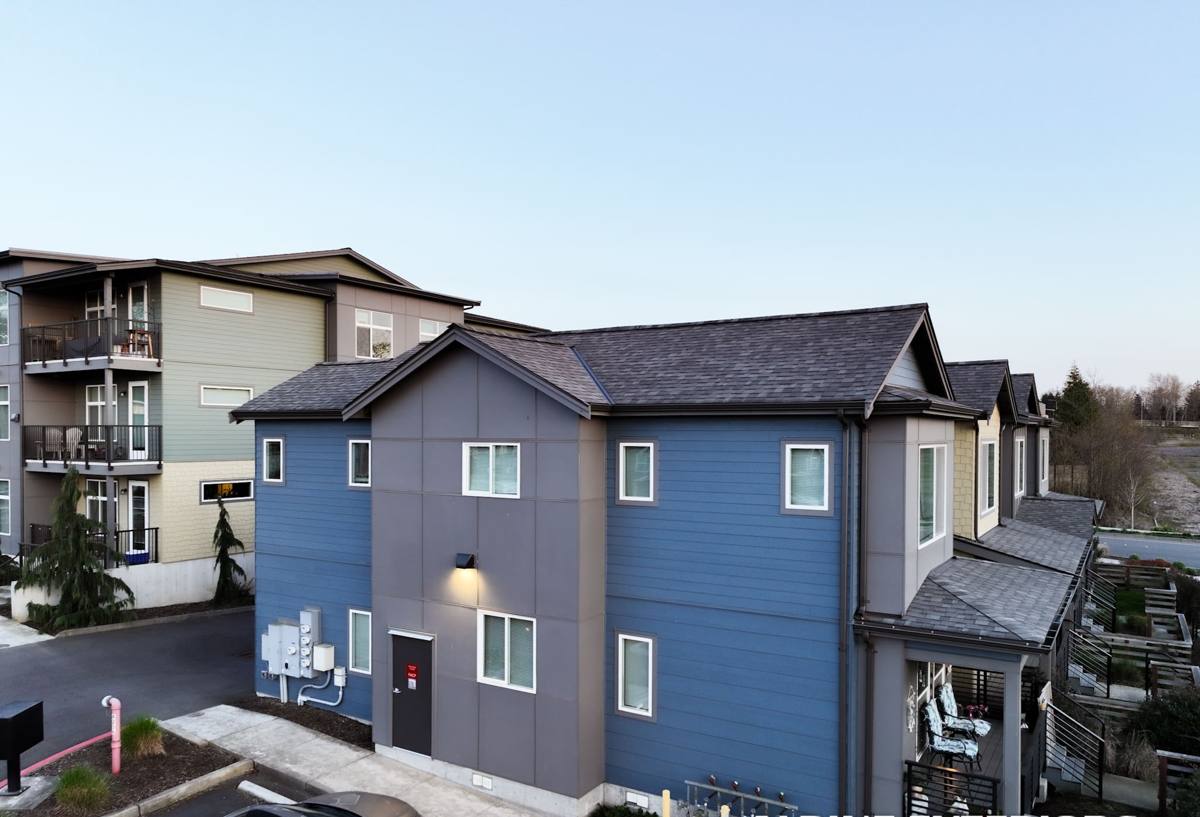
New Construction vs. Retrofit: Why the Job Is Different
A retrofit window goes into an opening that already has siding and trim around it — the installer works with what's there. New construction is the opposite: the rough opening, the weather-resistive barrier (WRB), the flashing, and the window all get built together, in sequence, before anything closes it up. That sequencing is where most long-term problems either get prevented or get built in permanently.
What that means in practice
- The window has to be sized, squared, and shimmed to the framer's rough opening — not adjusted after the fact.
- Flashing has to integrate with the WRB in the correct shingle-lap order, so water sheds down and out, never behind the barrier.
- Nailing fin and flange fastening has to match the window manufacturer's installation instructions exactly, or the warranty can be void before the house is even finished.
- Interior and exterior finish trades are relying on the window opening being correct — siding, trim, drywall, and interior casing all key off it.
Choosing the Right Window Material for a Crow Valley Build
There's no single "best" window for every new build, but there are trade-offs that matter more here than they would in a drier inland climate. Moisture cycling, UV, and the amount of shade a given lot gets all factor in.
| Frame Material | Moisture Performance | Maintenance | Typical Fit For |
|---|---|---|---|
| Vinyl | Good — won't rot, low water absorption | Low — occasional cleaning | Cost-conscious builds, secondary structures, rental properties |
| Fiberglass | Excellent — very stable in wet/dry cycling, minimal expansion | Low | Primary residences, exposed elevations, long-term owners |
| Wood, clad exterior | Good on the exterior; interior wood needs protection from condensation | Moderate — clad exterior is low-maintenance, interior wood finish needs occasional attention | Homeowners who want a wood interior look with a protected exterior face |
| Aluminum | Fair — conducts cold, prone to condensation without thermal break | Low | Limited use in this climate; we don't recommend it for primary living spaces here |
We steer most Crow Valley new-construction clients toward fiberglass or a well-detailed vinyl line for exposed elevations, and reserve clad-wood for openings that are genuinely protected by roof overhang or covered porches. That's not a knock on any manufacturer — it's a maintenance and moisture-behavior call based on how much rain this part of the island actually sees over a heating season.
The Flashing Details That Actually Determine Whether a Window Leaks
Almost every window failure we've been called to diagnose on Orcas Island traces back to flashing sequence, not the window unit itself. New construction is where this gets solved permanently, because you have full access to the rough opening.
Sill pan flashing
Every new-construction window opening should get a sloped sill pan — not just a strip of tape across the bottom of the rough sill. A properly formed pan directs any water that gets past the window (from wind-driven rain or condensation) back out to the exterior instead of into the framing below.
WRB integration, shingle-style
The weather-resistive barrier, the flashing tape at the jambs and head, and the window's nailing flange all have to lap in the correct order — each layer over the one below it — so water always sheds outward and downward, the way shingles do on a roof. Get the order backward at any single point and you've built a hidden leak path into the wall.
Head flashing and drip caps
Above the window, a head flashing or drip cap breaks the water's path before it can run down behind the trim. On a valley lot with tree cover and slower drying times, this detail matters more than it would on an open, breezy site — moisture that gets trapped here has longer to sit before it dries out.
Energy Code and Performance — Not Just a Compliance Checkbox
Washington's state energy code sets minimum performance requirements for new-construction windows, and San Juan County building permits are checked against them. But meeting code is the floor, not the target. In a marine climate with cool, damp winters, the numbers that matter most to comfort and long-term condensation resistance are:
- U-factor — how much heat the window loses; lower is better for keeping interior glass surfaces warm and comfortable.
- SHGC (Solar Heat Gain Coefficient) — how much solar heat passes through; moderate values usually work well here since Orcas Island doesn't see the intense summer sun of the interior Northwest.
- Condensation resistance — directly tied to interior comfort near glass and to whether moisture builds up on frames and sills during cold, humid stretches.
We spec windows to the specific elevation and exposure, not a single blanket choice for the whole house — a north-facing wall in a shaded part of the valley has different needs than a south-facing wall that gets more sun.
Our New-Construction Window Process
- Plan review — we review the window schedule against the framing plans before the rough openings are even built, catching sizing or header issues early.
- Rough opening verification — every opening is checked for square, plumb, and correct dimension before a window goes in.
- Sill pan and flashing installation — sloped pan flashing, then WRB and flashing tape integration in the correct shingle-lap sequence.
- Window setting — shimmed, squared, and fastened per the manufacturer's instructions, preserving the warranty.
- Head flashing and air-seal — exterior head flashing installed, interior gaps sealed and insulated per code, without over-packing the shim space.
- Final inspection — every opening checked before siding closes it in, since this is the last point where corrections are simple.
Coordinating With Your Builder or GC
On most new-construction jobs, we're one trade among several working to the same schedule as your general contractor, framer, and siding crew. Clear sequencing keeps the job moving and keeps everyone's work protected:
- We confirm rough opening sizes with the framer before openings are built, not after.
- We coordinate flashing and WRB timing with whoever is installing the house wrap, so there's no gap where the wall sits exposed.
- We hand off a clean, weather-tight opening to the siding crew — our work shouldn't slow theirs down or force rework.
- We communicate directly with your GC on schedule, not just with the homeowner, so there's one point of coordination.
Mistakes We Catch on Crow Valley New Builds
Most of these aren't dramatic — they're small sequencing errors that turn into real problems years later, after finishes are on and the cost to fix them has multiplied.
- Flashing tape applied in the wrong lap order, sending water behind the barrier instead of out over it.
- No sill pan, or a flat sill pan with no slope to actually drain water out.
- Nailing flange fastened with the wrong fastener spacing or type, which can void the manufacturer's warranty.
- Shim space over-packed with insulation, restricting the window's ability to expand and contract with temperature swings.
- Windows ordered to a generic spec rather than matched to each elevation's actual sun and rain exposure.
Why Hiring a Crew That Already Works Crow Valley Matters
A window installer who's only worked drier inland climates will often underbuild the flashing and moisture details — because on their usual jobs, they can get away with it. Crow Valley, like the rest of Orcas Island, doesn't give you that room for error. A crew that already works this part of San Juan County knows how long moisture sits on a shaded lot, how much rain a given elevation actually takes in a season, and which details are worth the extra time versus which are overkill for a given exposure. That judgment only comes from doing the work here, repeatedly, and seeing what holds up and what doesn't.
If you're planning new construction in Crow Valley and want windows installed right the first time, we're happy to walk the site plans with you and put together a free, no-pressure estimate — just fill out the form below.