 Orcas Island
 Windows Built for the Crow Valley Microclimate
Crow Valley sits inland enough on Orcas Island to feel different from the shoreline, but it still gets the same San Juan County weather pattern: wet winters, salt-laden air that drifts in off the surrounding water, and long stretches of shade and moisture that keep moss and mildew active most of the year. Homes here range from older farmhouses to newer builds tucked into the trees, and almost all of them share the same window problems eventually — fogged glass from failed seals, swollen or rotting wood sashes, and frames that have taken on moisture faster than they can dry out.
Custom windows done right in this valley aren't just about looks. They're about picking materials and installation details that hold up to a specific combination of rain exposure, tree cover, and salt air, then installing them so water has nowhere to get in behind the trim.
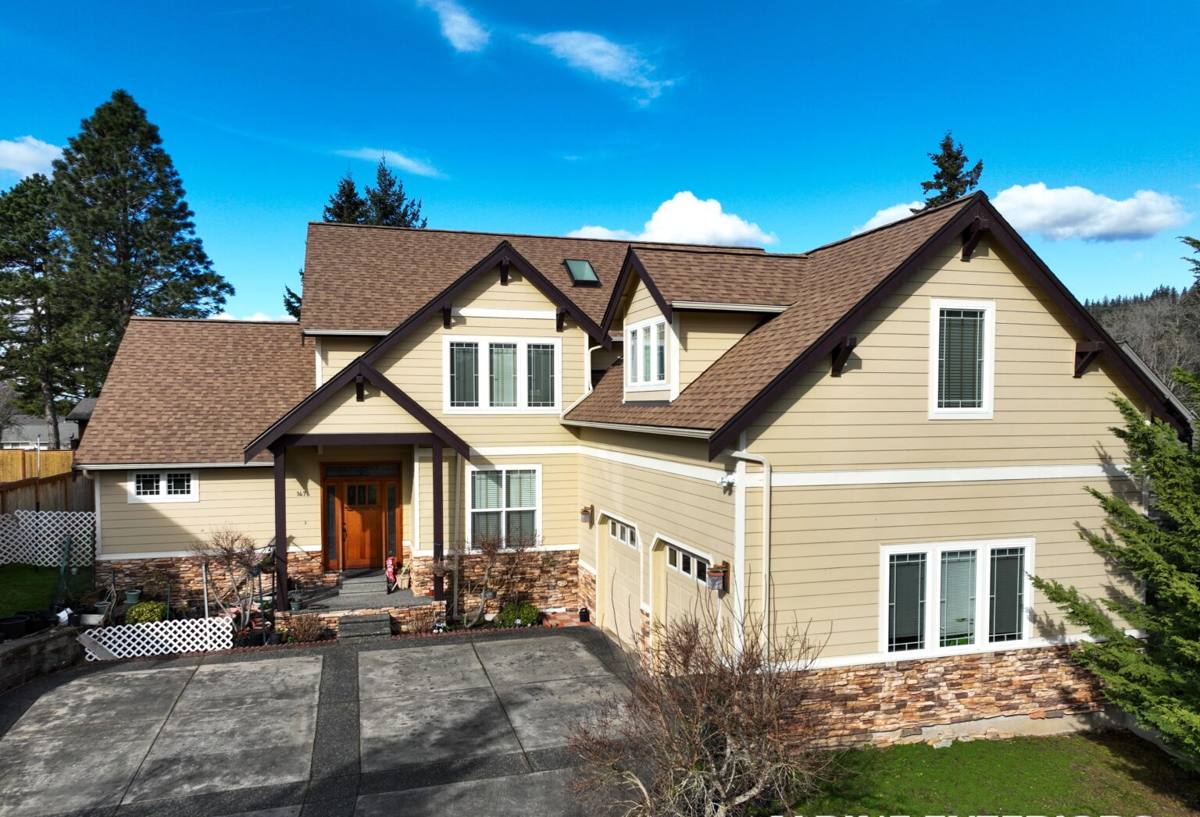
What Crow Valley's Climate Actually Does to Windows
Salt Air
Even away from the immediate waterfront, salt carried on marine air settles on exterior surfaces across Orcas Island. On windows, that means accelerated corrosion on hardware, fasteners, and lower-grade aluminum components. Over years, salt exposure pits metal cranks, hinges, and locks, and it can degrade certain finishes faster than the manufacturer's warranty assumes for an inland climate.
Driving Rain
Storms here don't just fall straight down — wind-driven rain hits window assemblies at an angle, which puts real pressure on flashing details, sill pans, and caulk joints. A window that would be fine in a calmer climate can leak in Crow Valley if the flashing wasn't lapped correctly or if the sill wasn't sloped to shed water outward.
Moss Season
The valley's tree cover means extended shade on north- and east-facing walls, and that shade holds moisture. Moss and algae take hold on sills, trim, and anywhere water sits instead of draining. Left alone, that moisture works into end grain on wood windows and into gaps in poorly sealed frames of any material.
Signs Your Windows Are Losing the Fight
- Fogging or a hazy film between panes of double-glazed glass — the seal has failed and the argon or air gap is compromised
- Soft or spongy wood at the sill or lower sash corners
- Paint that keeps bubbling or peeling in the same spots each year
- Green or black growth on sills and trim that comes back within weeks of cleaning
- Drafts or a noticeable temperature difference near the window even when it's latched shut
- Hardware that's stiff, corroded, or won't fully lock
- Visible daylight or water staining on interior trim after a storm
Material Choices That Make Sense for This Valley
There's no single "best" window material for every house — it depends on the home's exposure, your maintenance appetite, and budget. Here's how the common options actually perform under Crow Valley conditions.
| Material | How it handles salt air & rain | Moss/moisture behavior | Maintenance |
|---|---|---|---|
| Fiberglass | Very stable, doesn't corrode or expand/contract much with temperature swings | Doesn't feed moss growth or absorb moisture into the frame itself | Low — occasional cleaning |
| Vinyl | Handles moisture well, but lower-end profiles can warp under sustained damp/shade cycles | Won't rot, but seams and corners can trap grime that holds moisture | Low |
| Wood (clad or unclad) | Beautiful and traditional, but exposed wood is vulnerable to driving rain if finish isn't maintained | Most susceptible to moss-related rot at sills and joints without regular upkeep | High — repainting/refinishing on a schedule |
| Aluminum | Strong but prone to corrosion and pitting from salt air over time unless properly finished | Doesn't rot, but condensation and thermal transfer can be an issue in shaded, damp spots | Moderate |
For most Crow Valley homes we work on, fiberglass or a well-built vinyl window gives the best long-term balance of moisture resistance and low upkeep. We still install wood windows where a homeowner wants that look or is matching existing trim on an older home — it just comes with an honest conversation about the maintenance commitment that wood requires in this environment.
What a Correct Installation Actually Involves
The window unit itself is only part of the job. Most window failures we see in this area trace back to installation shortcuts, not the product. A correct install here means:
- Full removal and inspection of the old opening — checking the rough opening, sill, and surrounding sheathing for hidden rot before anything new goes in
- Proper flashing sequence — sill pan flashing first, then side flashing lapped over it, then head flashing lapped over the sides, so water is always directed outward and down, never trapped behind the trim
- Correct shimming and leveling so the sash operates smoothly and seals evenly — a racked frame stresses seals prematurely
- Sealant chosen and applied for exterior exposure, not just whatever caulk was on hand, with attention to full, continuous beads at critical joints
- Interior and exterior trim resealed and painted or capped so moisture can't wick in around the edges
Skipping any one of those steps is how a brand-new, expensive window ends up with the same rot problem five years later — just hidden behind fresh trim.
A Quick Pre-Job Checklist We Walk Through With Homeowners
- Confirm which openings have active leaks versus which are just aging out
- Check attic and crawlspace access near affected windows for signs of water tracking down into the structure
- Decide on full-frame replacement versus insert replacement based on the condition of the existing frame
- Match trim profiles and sightlines if replacing some windows now and others later
- Talk through glass package (low-E coatings, gas fill) relative to sun exposure and shading on each elevation
Full-Frame Replacement vs. Insert Replacement
This is one of the most consequential decisions on any window project, and it's very site-specific in Crow Valley because of how often we find hidden moisture damage once we open a wall up.
Insert replacement (new window fitted into the existing frame) is faster and less invasive, and it works fine when the existing frame and surrounding wall are dry and structurally sound. Full-frame replacement removes the old frame down to the rough opening, which costs more and takes longer, but it's the only way to actually fix rot, water-damaged framing, or a sill that's been failing quietly for years. Given how much shade and moisture this valley holds onto, we'd rather find that damage during a planned replacement than have a homeowner find it later as a bigger repair.
Why It Matters That We Already Work in Crow Valley
A contractor who's worked this specific pocket of Orcas Island has already seen which orientations take the worst weather, which older homes tend to have hidden rot around original window openings, and how tree cover on a given lot affects drying time after a storm. That's not something you can fully account for from a general San Juan County weather pattern — it comes from having actually pulled trim off houses in this valley and seen what's behind it.
It also matters for scheduling and logistics. Getting materials, crews, and equipment to and around Orcas Island takes planning that off-island contractors often underestimate, which can turn into delays or rushed work to make a ferry schedule. A crew based here plans the job around island logistics from the start.
How Our Process Works
- On-site assessment — we look at every window in question, check for rot, seal failure, and drainage issues, and take measurements
- Honest recommendation — insert vs. full-frame, material options, and which openings can wait versus which need attention now
- Written estimate — clear scope, materials, and timeline, no surprise add-ons sprung on you mid-job
- Ordering and scheduling — built around realistic lead times and island delivery logistics
- Installation — proper flashing, sealing, and trim work as described above, with daily cleanup
- Final walkthrough — operating every sash and lock with you before we consider the job done
Cost Factors Worth Understanding Before You Budget
| Factor | Why it moves the price |
|---|---|
| Insert vs. full-frame | Full-frame costs more upfront but addresses hidden rot; insert is cheaper but only appropriate on sound frames |
| Material (vinyl, fiberglass, wood) | Wood and higher-end fiberglass units cost more than standard vinyl |
| Number of openings replaced at once | Bundling windows into one project reduces per-window mobilization and scheduling cost |
| Glass package | Upgraded low-E coatings or gas fills add cost but pay off on sun-exposed or drafty elevations |
| Existing damage discovered | Rotted sheathing or framing found during removal adds repair scope beyond the window itself |
| Trim and exterior finish | Matching existing trim profiles or repainting/capping trim adds labor |
We don't quote a number without seeing the actual openings — anyone who does is guessing, and on a job where hidden rot is common, guessing gets expensive for the homeowner later.
If your windows in Crow Valley are fogging, drafting, or showing soft spots at the sill, it's worth having them looked at before another wet season adds to the damage. We offer free, no-pressure estimates — fill out the form below and we'll set up a time to take a look.