 Orcas Island
 Windows Built for the Cascade Lake Microclimate
Homes around Cascade Lake sit in a pocket of Orcas Island that gets a little of everything: moisture off the lake and surrounding forest, salt-laden air carried up from the shoreline, driving rain that comes in sideways during winter storms, and long stretches of shade that keep wood and vinyl surfaces damp far longer than they'd stay damp on the mainland. That combination is hard on windows in ways that don't show up right away. A window that looks fine for the first few years can be quietly failing at the seals, the frame corners, or the glazing long before a homeowner notices a draft.
Energy-efficient windows aren't just about lower heating bills, though that matters here too — San Juan County winters are damp and windows are one of the biggest sources of heat loss in an older home. The bigger issue on Orcas Island is durability: a window that's efficient on day one but can't handle the moisture and salt exposure will lose that efficiency fast as seals degrade and frames absorb water.
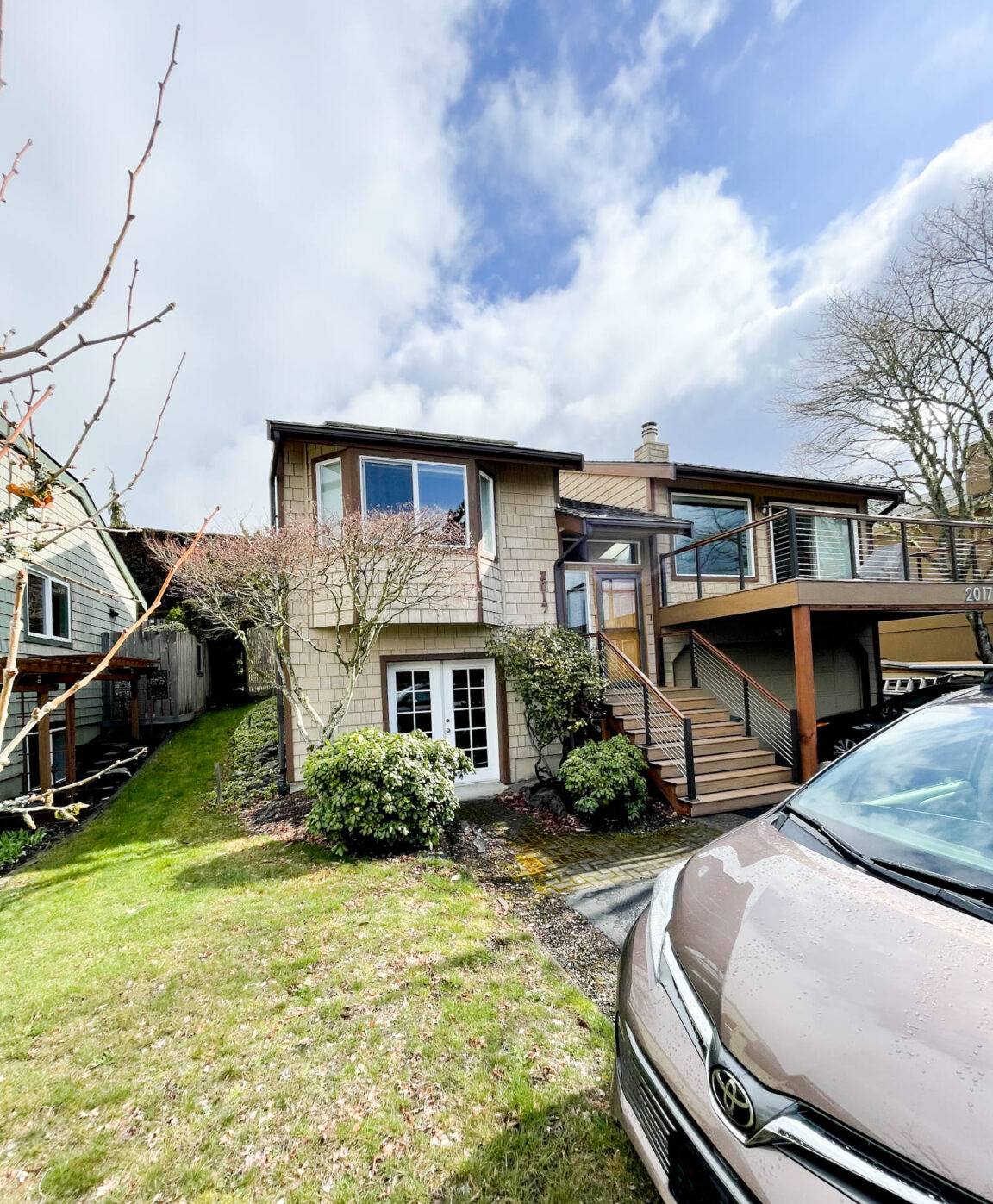
What "Energy-Efficient" Actually Means for This Location
Manufacturers throw around efficiency ratings, but only a few of them actually matter for a Cascade Lake home:
- U-factor — how well the window resists heat loss. Lower is better for our winters. This is the number that affects your heating bill most directly.
- Solar Heat Gain Coefficient (SHGC) — how much solar heat passes through. Homes with more tree cover around the lake want a different balance than homes with open western exposure catching afternoon sun.
- Air infiltration rating — how tight the seal is. This matters more here than in drier climates because a leaky seal doesn't just waste heat, it lets moist air work its way into the frame and sash over time.
- Condensation resistance — a rating a lot of homeowners never hear about, but it's directly tied to how much interior moisture builds up on the glass during our humid, low-light months.
A window can carry a strong efficiency label and still be the wrong choice for a shaded, damp lot near the water if its frame material or seal design isn't built to handle sustained moisture exposure.
Frame Material Matters More Here Than the Sticker Numbers
Salt air and constant dampness are harder on some frame materials than others. We steer most Cascade Lake homeowners toward vinyl or fiberglass frames for this reason — not because wood windows can't perform, but because wood requires a maintenance commitment (refinishing, caulking, repainting on a schedule) that's tougher to keep up with in a climate where moss and mildew get a head start every year. If a homeowner wants the look of wood, a wood-clad option with a durable exterior cladding gives that appearance without the same upkeep burden.
What We Find When We Pull Old Windows in This Area
After years of working on homes around Orcas Island, the pattern at Cascade Lake properties is pretty consistent:
- Fogged or hazy double-pane glass — the seal has failed and moisture is trapped between the panes.
- Soft or discolored wood at the sill and lower frame corners, usually where water has been sitting rather than draining away.
- Moss or algae growth on north- and shade-facing frames, which holds moisture against the surface even longer.
- Original single-pane or early dual-pane units from an older build that were never intended to meet current efficiency expectations.
- Caulking and flashing that was adequate when installed but has since cracked or pulled away, letting wind-driven rain track behind the trim.
None of these are unusual for the area — they're the expected result of years of marine exposure. The problem is that most of them are invisible from inside the house until the damage has spread into the wall framing.
What a Correct Installation Involves
Swapping in a more efficient window is only half the job. The other half — the part that actually determines whether the window performs for the next 20+ years in this climate — is how it's installed.
Flashing and Moisture Management
Every opening gets proper flashing integrated with the house wrap or weather-resistive barrier, so water is directed out and away from the rough opening rather than trapped behind the new window. This is the single biggest factor in whether a window installation holds up to driving rain off the lake.
Sealant Selection and Placement
Not all caulks and sealants are rated for the sustained UV and moisture cycling this area sees. We use sealants suited to marine and high-moisture climates, and we're deliberate about where sealant is used versus where the assembly needs to be able to breathe and drain.
Insulation Around the Frame
Gaps around a new window frame get filled with a low-expansion insulating foam or backer rod appropriate to the gap size — overfilling can actually bow a frame and cause operational problems, which is a common mistake with rushed installs.
Interior and Exterior Trim
Trim gets resealed and, where needed, upgraded so it isn't the weak point that lets moisture back in a season or two after the window itself is replaced.
Our Process for Cascade Lake Homes
- On-site assessment — we look at each window's exposure (shade, wind direction, proximity to the lake), not just its age, since exposure varies a lot from one side of a house to another around here.
- Measurement and product selection — matched to the specific exposure, existing framing, and the homeowner's priorities (efficiency, maintenance, budget).
- Removal — old windows come out carefully so we can inspect the rough opening for hidden rot or moisture damage before anything new goes in.
- Repair as needed — any soft framing or compromised sheathing gets addressed before the new window is set, not covered over.
- Installation — flashing, insulation, and sealing done to hold up against wind-driven rain and long-term moisture exposure.
- Final check and cleanup — operation, seal, and weatherproofing confirmed before we leave.
Comparing Frame Options for a Lake-Adjacent, Shaded Property
| Frame Material | Moisture & Salt Resistance | Maintenance | Typical Fit for Cascade Lake |
|---|---|---|---|
| Vinyl | Very good — won't rot or corrode | Low — occasional cleaning | Strong default for shaded, damp lots |
| Fiberglass | Excellent — very stable in moisture and temperature swings | Low | Best for high-exposure sides of the house; higher upfront cost |
| Wood-clad | Good on the exterior clad face; interior wood still needs protection | Moderate | Good where a wood interior look is wanted |
| Solid wood | Fair — needs consistent upkeep to resist rot and moss | High | Best reserved for covered or low-exposure openings |
What Drives Cost
Every home is different, so we don't quote a number without seeing the openings, but the main cost factors on a Cascade Lake project are usually:
| Factor | Why It Matters |
|---|---|
| Number and size of openings | Straightforward driver of total material and labor |
| Frame material chosen | Vinyl, fiberglass, and wood-clad carry different price points |
| Condition of existing framing | Rot or moisture damage found during removal adds repair scope |
| Exposure and access | Shaded, hard-to-reach, or upper-story openings can add labor time |
| Glazing package | Higher-performance glass costs more but pays back in comfort and lower heating bills |
As a general range, full window replacement runs from a few thousand dollars for a small number of openings up to a much larger investment for a whole-house replacement with premium glazing — we'll always give you real numbers once we've seen the house, not a phone estimate.
Signs Your Cascade Lake Home's Windows Need Attention
- Fogging or a hazy appearance between the panes of glass
- Visible moss, algae, or persistent dark staining on the frame
- Drafts near the window even when it's fully latched
- Soft or spongy trim or sill when pressed
- Difficulty opening, closing, or locking a window that used to operate smoothly
- Noticeably higher heating costs compared to similar-sized homes nearby
- Condensation building up on the inside of the glass during cold, damp weather
Why Local Experience on Orcas Island Matters
A crew that mainly works inland or in drier parts of Washington will often install a window the way the manufacturer's general instructions describe — and that install can still fail here within a few years, because San Juan County's combination of salt air, shade, and driving rain isn't accounted for in a generic install guide. Working around Cascade Lake regularly means knowing which sides of a house take the worst weather, which older Orcas Island homes tend to have hidden moisture issues behind the trim, and which products actually hold up rather than just perform well on a spec sheet. That local knowledge is the difference between a window that looks right for a season and one that performs for decades.
Protecting Your Investment After Installation
New windows aren't maintenance-free, even the efficient ones. In this climate, a little seasonal attention goes a long way:
- Clear moss and organic debris from frames and tracks, especially on shaded sides of the house
- Check exterior caulking annually and touch up before gaps widen
- Keep gutters and downspouts clear so runoff isn't sheeting directly onto window heads
- Wipe down frames periodically to reduce salt and mineral buildup near the shoreline
If you're noticing drafts, fogged glass, or moss creeping onto your frames, we're happy to take a look and give you an honest read on whether repair or replacement makes sense — no pressure, no upsell. Reach out for a free estimate using the form below.