 Orcas Island
 Building Decks for Olga's Waterfront and Wooded Lots
Olga sits on the quieter, eastern side of Orcas Island, where homes range from older waterfront cabins near the water to newer builds tucked into the trees along the road toward Doe Bay. Decks here do double duty — they're where people actually live for half the year, and they take a real beating the other half. A deck built to a generic mainland spec doesn't last on this side of San Juan County. One built for what Olga's weather actually does will.
We work decks across Orcas Island, and Olga jobs have their own personality: more tree cover on inland lots means more moss and organic debris sitting on boards year-round, while the waterfront-adjacent properties get more direct salt exposure off the water. Both conditions call for different decisions in material choice, fastener selection, and drainage — decisions we make on-site, not off a catalog.
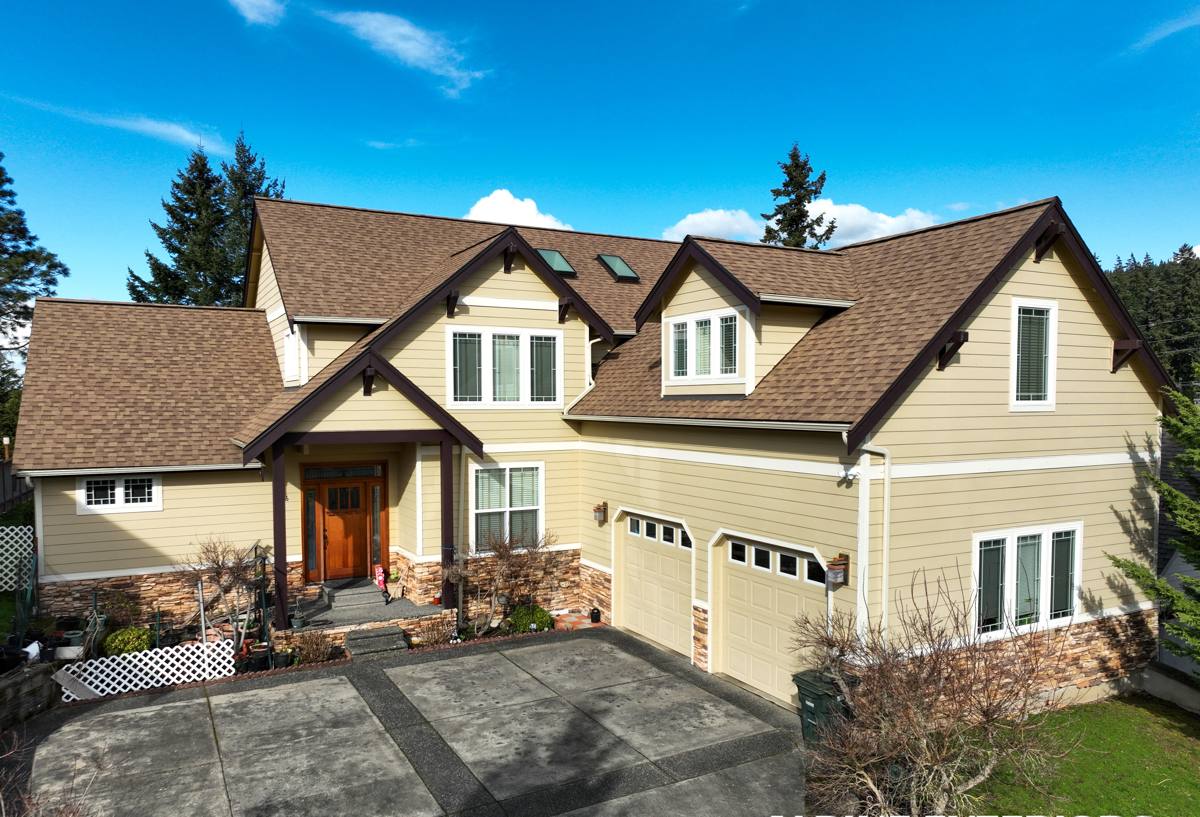
What Olga's Climate Does to a Deck
Three things drive almost every deck failure we see out here, and they're all tied to the same regional pattern.
Salt Air
Even set back from the shoreline, homes in Olga get salt-laden air moving through on a regular basis. Salt accelerates corrosion in fasteners, hardware, and any metal railing components. It also settles into wood grain and finishes, which changes how often a deck needs to be cleaned and resealed compared to an inland Washington property.
Driving Rain
Storms coming off the water don't fall straight down — they come in sideways, driving moisture into end grain, under railing posts, and into any gap where flashing or ledger connections aren't tight. A deck that's fine in a light vertical rain can still rot from the inside if it wasn't detailed for wind-driven wet weather.
Moss Season
Orcas Island's long wet season, roughly October through April, means extended stretches where deck surfaces stay damp and shaded — ideal moss and algae conditions, especially on north-facing decks or ones under tree canopy. Moss holds moisture against the board surface, and on wood decking that moisture works its way into the fibers. Left alone over a few seasons, that's how boards start to soften and fastener heads start to corrode.
What a Correctly Built Deck Needs Out Here
Given those three conditions, a deck built for Olga needs to get several things right that don't matter as much elsewhere.
- Stainless or coated fasteners rated for coastal/marine exposure, not standard exterior-grade hardware that corrodes faster in salt air
- Proper ledger flashing at the house connection, since this is the single most common point of hidden rot on any deck near the water
- Gapping and drainage between boards sized to let moss-feeding moisture actually shed instead of pool
- Joist tape or capping on framing members to keep driving rain from soaking into end grain over time
- A decking material matched to the site — heavy shade and tree cover call for different maintenance expectations than open, sun-exposed waterfront lots
- Railing hardware and post bases chosen for corrosion resistance, since railings take the brunt of both salt air and standing rain
Skip any one of these and the deck will still look fine walking away from the job — the problems show up two, three, five years later, usually as soft spots near the house or rust streaks running down from fasteners.
Decking Material Choices for an Olga Property
There's no single right answer here — it depends on how much sun and tree cover the lot gets, how close it sits to the water, and how much upkeep the homeowner wants to do.
| Material | Best fit for Olga | Maintenance reality |
|---|---|---|
| Pressure-treated wood | Budget-conscious builds, inland/shaded lots | Needs regular cleaning and resealing to fight moss and moisture absorption; most affordable upfront |
| Cedar | Homeowners who want a natural look and don't mind upkeep | Naturally rot-resistant but still needs periodic sealing, especially with heavy moss exposure |
| Composite decking | Waterfront and heavy tree-cover lots alike | Resists moisture absorption and rot far better than wood; still needs occasional washing to keep moss from gripping the surface texture |
| PVC decking | High-exposure or low-maintenance priority sites | Best moisture and salt resistance of the common options; higher material cost, minimal upkeep |
We're straightforward about trade-offs here rather than steering everyone to the priciest option. A well-detailed pressure-treated deck with the right fasteners and drainage will outlast a poorly installed composite deck. The material matters less than getting the underlying structure and flashing right — that's where we spend our attention.
Our Process for a New or Replacement Deck
1. On-Site Assessment
We walk the site to look at sun exposure, tree cover, proximity to water, existing structure condition if it's a replacement, and how the house's siding and roofline interact with where the deck attaches. This tells us how aggressive the flashing and drainage detailing needs to be.
2. Design and Material Discussion
We talk through decking material, railing style, and layout based on how the space actually gets used — entertaining, water access, grilling, quiet sitting space — and on the maintenance level the homeowner wants going forward.
3. Structural Build
Framing, ledger attachment, and flashing come first, and this is where most of the long-term durability gets decided. We use corrosion-resistant fasteners throughout and detail the ledger connection carefully since that's the most common failure point on decks near the water.
4. Decking and Railing Installation
Board spacing is set to allow drainage and airflow underneath, which matters directly for moss control. Railing posts and hardware get the same corrosion-resistant treatment as the framing.
5. Final Walkthrough
We go over basic maintenance — cleaning schedule, what to watch for near the ledger and post bases, and how often to reseal if wood decking was chosen — so the deck holds up the way it's supposed to.
Deck Replacement vs. Repair
Not every deck on Orcas Island needs to come out entirely. If the framing is sound and the ledger connection is dry, sometimes it's the decking surface or railing that's failed while the bones are fine. We'll tell you honestly which situation you're in rather than defaulting to a full rebuild.
- Soft or spongy boards in isolated spots, with dry framing underneath — often a decking-only replacement
- Rust streaking from fastener heads but solid wood — usually a hardware refresh, not a rebuild
- Soft or discolored wood at the ledger/house connection — this is a structural flag and typically means opening that area up regardless of how the rest of the deck looks
- Railing posts that wiggle or have visible base corrosion — a safety issue that needs addressing even if the deck surface looks fine
Maintenance That Actually Fits This Climate
A deck in Olga isn't maintained the same way as one in a drier part of the state. Given the salt air, driving rain, and moss season, here's what actually keeps a deck sound long-term:
- Sweep off leaves, needles, and organic debris regularly, especially on shaded or tree-covered decks — this is what feeds moss growth
- Wash the deck surface at least once or twice a year, more often on north-facing or heavily shaded areas
- Check railing post bases and fastener heads periodically for rust or corrosion, particularly on waterfront-adjacent properties
- Reseal wood decking on the schedule the manufacturer or installer recommends — don't stretch it just because the surface looks okay
- Inspect the ledger area at the house connection once a year for soft wood or discoloration, since this is a hidden area that won't show problems on the surface
Why a Local Orcas Island Crew Makes a Difference
Building decks for San Juan County properties, and Olga specifically, means we already know which fastener grades hold up here, how far inland the salt exposure reaches, and how much heavier the moss problem gets on shaded, tree-covered lots compared to open waterfront sites. That's not something you get from a general contractor who occasionally takes an island job — it comes from doing this work repeatedly in this exact climate.
It also means straightforward logistics. Material deliveries and scheduling on Orcas Island take more coordination than a mainland job, and a crew that already works here has that dialed in rather than figuring it out for the first time on your project.
Get a Straightforward Estimate
If you're planning a new deck or looking at replacing one that's showing its age, we're happy to come take a look and give you an honest read on what it needs. No pressure, no upsell — just a clear estimate based on your specific lot and how you actually plan to use the space. Fill out the form below to get started.