 Orcas Island
 Deck Replacement for Orcas Island Homes
A deck on Orcas Island lives a harder life than a deck almost anywhere inland. It sits under tree cover that drips long after the rain stops, it takes salt-laden air off the water, and for a good chunk of the year it's growing moss instead of drying out. When we get a call about a deck in the Orcas area, it's rarely a surprise that it's failing sooner than the homeowner expected — the climate here is simply tougher on framing lumber, fasteners, and decking surfaces than most manufacturers' warranty language assumes.
Deck replacement is a different job than a repair, and it's a different job than a fresh build. You're working with an existing footprint, existing ledger connections, and often existing structural problems that only become visible once the old decking and rail system come off. Doing it right on San Juan County property means understanding what's actually happening under the surface before you order a single board.
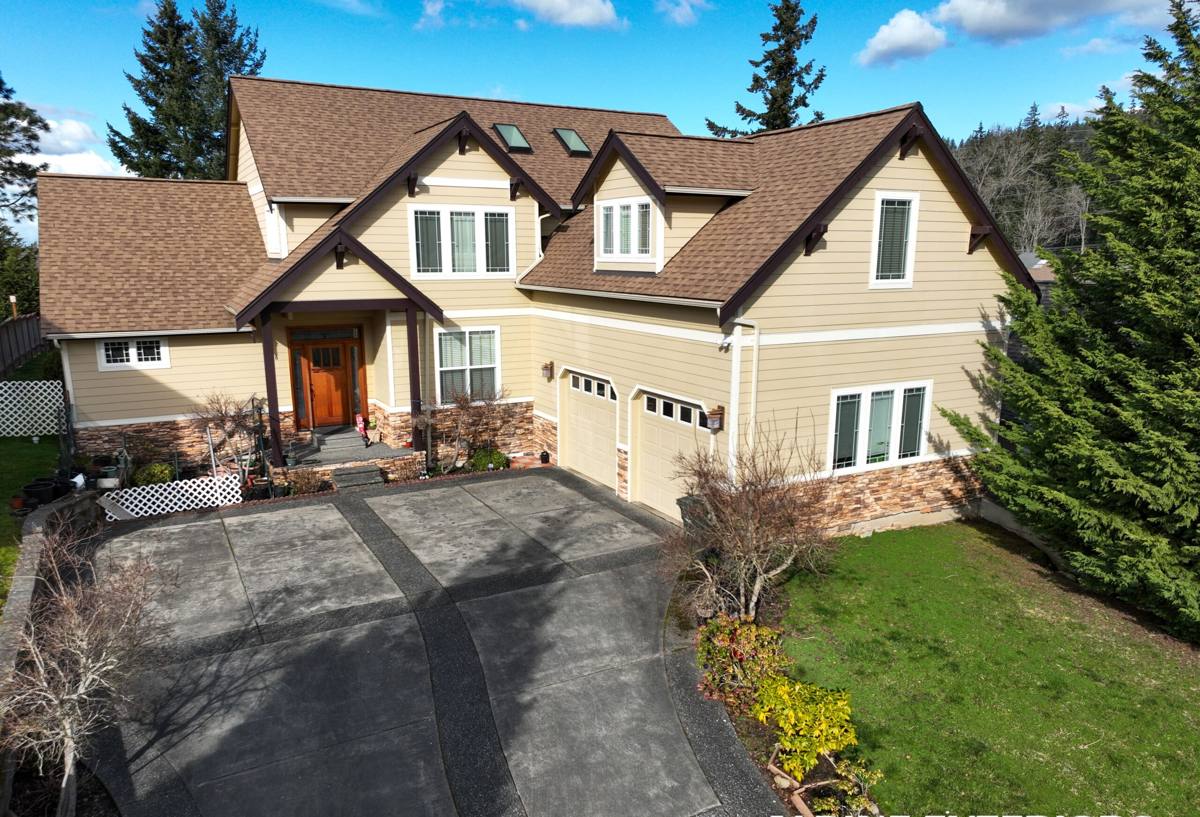
Why Orcas Island Decks Wear Out Faster
Three things drive most of the deck failures we see out here, and they compound each other.
Salt Air and Metal Fatigue
Marine air corrodes fasteners, joist hangers, and structural connectors well before the wood around them gives out. A deck can look structurally sound from the top while the hardware holding it together underneath has been quietly rusting for a decade. This is one of the most common "surprises" we find once decking boards are pulled — corrosion on hardware that was never rated for a coastal environment in the first place.
Driving Rain and Moisture Intrusion
Wind-driven rain off the water doesn't just fall on a deck — it gets pushed sideways into ledger connections, under railing posts, and into any gap where flashing was skipped or done poorly. Over years, that moisture works into end grain and fastener holes, which is where rot almost always starts, not on the open, exposed face of a board.
Moss, Shade, and Slow Drying
Orcas Island's tree cover is part of what makes it beautiful, but it also means many decks stay shaded and damp far longer after a storm than a deck in the open would. Moss and algae hold moisture against the wood surface, and on painted or unsealed decking that moisture has nowhere to go. A long moss season isn't just a slip hazard — it's a slow, steady moisture load on the structure underneath.
Signs Your Deck Needs Replacement, Not Repair
Not every problem deck needs a full tear-off. But there's a point where patching individual boards stops making sense and a full replacement becomes the more honest recommendation. We look for:
- Soft or spongy decking in multiple areas, not just one isolated board
- Visible rust staining or corrosion around joist hangers and fasteners
- Rot at the ledger board where the deck attaches to the house — a structural and often a moisture-barrier issue
- Railing posts that flex or feel loose when pushed
- Persistent moss or algae growth that returns within weeks of cleaning
- A deck that's more than 20-25 years old and has never had the substructure inspected
If you're only seeing one or two of these, a repair may still be reasonable. If you're seeing several at once, that's usually a sign the underlying framing has been absorbing moisture for years, and a repair would just be treating the symptom.
What a Correct Deck Replacement Involves
A deck replacement done right is mostly about what happens before the new decking boards go down. The visible surface is the easy part.
1. Full Tear-Off and Structural Inspection
We remove the decking, railings, and where needed the substructure, so the ledger, joists, posts, and footings can actually be inspected — not guessed at. This is where hidden rot, undersized framing, or corroded hardware gets found.
2. Ledger and Flashing Correction
The ledger board connection to the house is the single most common point of failure on a coastal deck. If the original flashing was missing, undersized, or improperly lapped, we correct it as part of the replacement — not as an afterthought. This is also the point where we check that the house's own siding and water-resistive barrier weren't compromised by the original deck attachment.
3. Framing and Hardware Upgrade
Given the salt air here, we don't reuse original fasteners or hangers even if they look serviceable. Corrosion-resistant, coastal-rated hardware is a standard we hold to on every Orcas Island deck, not an upsell.
4. Decking Material Selection
This is where the homeowner's priorities matter most — appearance, maintenance tolerance, and budget all factor in. We'll walk through the honest trade-offs below rather than push one product as universally "best."
5. Railings, Stairs, and Code Compliance
San Juan County building requirements govern railing height, baluster spacing, and stair geometry. A full replacement is the right time to bring an older deck up to current code, especially on railings that predate more recent spacing requirements.
Decking Material Options: Honest Trade-Offs
There's no single "right" decking material for every Orcas Island home — it depends on how much upkeep you want to do and how the deck is used. Here's how the common options actually compare in this climate.
| Material | Maintenance in This Climate | Moisture Behavior | General Lifespan |
|---|---|---|---|
| Pressure-treated wood | Needs regular cleaning and periodic sealing to resist moss and moisture | Absorbs water at cut ends and fastener holes if not sealed | Shorter without diligent upkeep |
| Cedar | Moderate — benefits from cleaning and refinishing to hold color and resist moss | Naturally moisture-resistant but still needs end-grain sealing | Moderate, varies with exposure |
| Composite decking | Low — periodic washing to keep algae and moss from taking hold on the surface | Doesn't absorb water like wood, but poor-quality substructure ventilation can trap moisture underneath | Longer, consistent with proper installation |
| PVC decking | Lowest — resists moss and staining well with occasional washing | Essentially non-absorbent; installation detail at seams and fasteners still matters | Longest of common options |
The table above describes tendencies, not guarantees — installation quality affects every one of these materials more than the material choice itself. A composite deck installed without adequate airflow underneath can trap moisture just as badly as an unsealed wood deck. That's why we treat substructure ventilation and drainage as part of the material decision, not a separate line item.
Our Deck Replacement Process
Homeowners generally want to know what's going to happen and roughly how long it'll take. Here's the sequence we follow:
- On-site assessment — we inspect the existing deck, ledger, and substructure where accessible, and give an honest read on repair versus replacement
- Scope and material walkthrough — we go over decking options, railing style, and any code items that need addressing, with a clear cost range
- Tear-off — removal of decking, railings, and substructure as needed, with disposal handled
- Structural correction — ledger flashing, framing, and hardware brought up to a standard appropriate for coastal exposure
- Decking and railing install — installed per manufacturer spacing and fastening specs, with attention to drainage and airflow underneath
- Final walkthrough — we go over the finished deck with you, including basic care guidance for the material you chose
Timelines vary with deck size and how much substructure work is needed, but a typical single-level deck replacement runs from about a week to two, weather permitting — and weather is a real variable on Orcas, not a formality.
Cost Factors for Orcas Island Deck Replacement
Every deck is different, but the main variables that move the price are consistent:
| Factor | Why It Matters |
|---|---|
| Deck size and shape | More square footage and complex angles mean more material and labor |
| Substructure condition | Hidden rot or undersized framing found during tear-off can add scope |
| Decking material chosen | Wood, composite, and PVC carry different material costs and install requirements |
| Height and stairs | Elevated decks and multi-run stairs add framing and railing complexity |
| Site access | Waterfront and hillside properties on the island can add logistics time |
| Code upgrades needed | Older railings or stairs may need modification to meet current requirements |
We won't quote a number without seeing the deck, but we'll always explain which of these factors is driving your specific estimate — no vague allowances buried in a lump sum.
Why Hire a Crew That Already Works on Orcas Island
Ferry logistics matter more here than they do on the mainland. A contractor based off-island has to schedule around ferry timing for every material delivery, every crew trip, and every follow-up visit — and that friction tends to show up as delays or as corners cut on a job with a fixed bid. A crew that already works Orcas Island builds material logistics and scheduling around the ferry from the start, which means fewer surprises for you mid-project.
Just as important is familiarity with how island exposure actually affects a build. Knowing which fastener grade holds up to San Juan County's salt air, how much airflow a substructure needs given the shade and moss conditions common here, and what the county's permitting and railing requirements look like — that's the kind of knowledge that comes from doing this work locally and repeatedly, not from a general contracting background applied to an unfamiliar coastal environment.
Maintaining Your New Deck
Whatever material you choose, a few habits go a long way toward getting the lifespan you're paying for:
- Clean moss and algae off the surface at the start and end of the wet season, not just when it looks bad
- Keep gutters and nearby drainage clear so runoff isn't dumping directly onto the deck or ledger connection
- Check railing posts annually for looseness, especially after winter storms
- Reseal wood decking on the schedule the product calls for — skipping a cycle is how end-grain moisture problems start
- Keep planters and rugs off composite or PVC decking in damp shaded spots, since trapped moisture under an object defeats the material's own drainage
If your deck is showing its age, or you're just not sure whether it's a repair or a replacement situation, we're glad to come take a look. We'll give you a straight answer, walk you through the material trade-offs for your specific spot on the island, and provide a free, no-pressure estimate using the form below.